
Montana Curling: A Trailblazing Journey on the Ice
Few sports embody the spirit of community and strategic play quite like curling. In Montana, an exciting chapter has unfolded as local curlers have broken through barriers to secure a spot in the USA Curling Arena Club National Championship, making history for the state. This editorial takes a closer look at the team’s journey, the subtle parts that make the sport captivating, and what this milestone means for the community.
The recent qualification marks not only the first national appearance for a Montana curling team but also emphasizes the strength of local sports culture, community spirit, and the determination to overcome the tricky parts and tangled issues of competitive curling. With two remarkable athletes taking center stage, Montana’s curling scene is experiencing a resurgence that promises to reshape perceptions of the game.
Historical Triumph: Montana’s Breakthrough in National Curling
Historically, curling has been seen as a niche sport predominantly dominated by regions with long-standing traditions in winter activities. However, Montana’s team of passionate players has turned this notion on its head. Jamie Connell and Mary Johnson, leading figures on this pioneering team, emerged from a state with a relatively small curling community to claim a remarkable victory at Montana’s first-ever USA Curling Arena Regional Playdowns tournament.
Jamie Connell, who serves as the treasurer of the Billings Curling Club, and Mary Johnson from Red Lodge have both experienced personal transformations through the sport. What began as a simple invitation to give curling a try evolved into a deep-rooted passion. Their story serves as a reminder that exploring new fields—even when the rules seem complicated or the twists and turns are nerve-racking—can lead to truly life-changing experiences.
From Humble Beginnings to National Recognition
Five years ago, neither Connell nor Johnson imagined that they would be starring in a chapter of Montana sporting history. Their initial interest was sparked by watching curling on television during the Olympics—a sport that many perceived as a quirky blend of strategy and athleticism. Before they fully immersed themselves in the sport, both women simply viewed curling as an off-putting curiosity. Yet, with persistence and community support, they managed to find their way through the confusing bits and challenging pieces of the game.
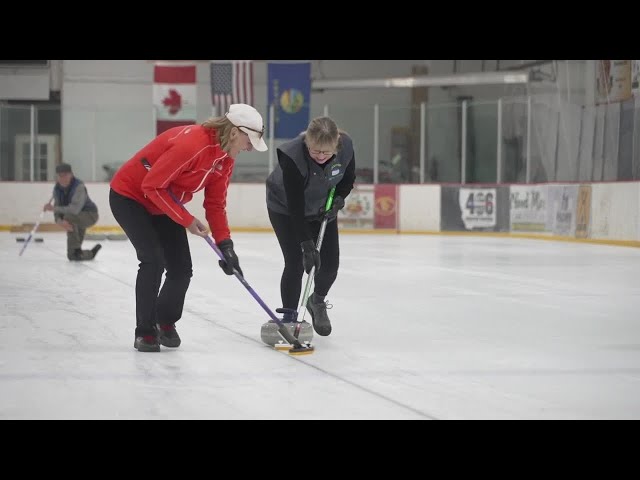
The transformation was not sudden. It was the result of years spent practicing on local ice, slowly becoming proficient in understanding the little details of how to launch the 40-pound rocks, spin them to create a curl, and even coordinate efficient brushing techniques to steer the stones closer to the target. These subtle parts of the game, which might seem intimidating to newcomers at first, are fundamental to any competitive curling match. By taking the time to get into the nitty-gritty of each move, these athletes have rewritten what it means to be a Montana curler.
Understanding the Game’s Tricky Parts
Curling is a sport that combines physical skill with a significant amount of brainpower. Unlike many other winter sports that rely solely on raw strength or speed, curling demands a balance of precision, foresight, and tactical planning. As Connell explains, curling might be best described as a cross between chess and shuffleboard. The game requires players to plan two or three moves ahead, balancing offensive maneuvers with defensive positioning at every turn.
The Art and Science of Ice Strategy
For many, the idea of managing the drifting logistics of a 40-pound rock on ice might seem overwhelming. However, the secret to curling lies in understanding its subtle details. Coaches and longtime players emphasize that every match is loaded with issues that need to be solved in real time. The team must figure a path through the fine points of the game while keeping their focus on the grander objective: scoring points and outmaneuvering the opposing team.
Here are some of the key elements that contribute to the game’s complexity:
- Rock Delivery: Players launch the heavy rock with a delicate balance between power and finesse.
- Spin and Curl: The act of twirling the rock creates the trajectory that can bend subtly on the ice, requiring careful judgment on the amount of rotation.
- Sweeping: The art of brushing the ice with brooms is essential to adjusting the path of the rock; this can be both a defensive and offensive tool.
- Reading the Ice: Preparing the ice in the arena is an exact science in itself; minor variations in the surface can create dramatic differences in gameplay.
Each element is critical, and mastering them takes time, practice, and a willingness to poke around the confusing bits and tackle the challenging pieces head-on. For a team coming from a relatively small curling club with only 25 to 30 members, each practice session is an opportunity to perfect these techniques in an environment where every detail counts.
Comparing Curling to Other Strategic Sports
What sets curling apart from other sports is its blend of physical and mental demands. While many competitive sports rely on constant movement and speed, curling is more about making thoughtful decisions during moments of pause. In this sense, the sport shares characteristics with games like chess, where every move can have a lasting impact on the outcome of the match.
This unique combination of physical execution and strategic planning makes curling a fascinating sport to watch. Spectators are often intrigued by how players manage to think several moves ahead while simultaneously performing physically taxing tasks. It’s a sport where the community’s support is not only appreciated in moments of victory but also during the nerve-racking times of tactical planning and overcoming tricky parts.
Culture and Camaraderie: The Heart of Montana Curling
One of the most compelling aspects of the Montana curling story is the deep sense of community that permeates the sport. Despite coming from a state where curling is played by a small yet passionate group, the relationships built over the ice are as significant as the competitive achievements themselves.
Building Lasting Friendships Through the Sport
Curling in Montana is more than just a means to compete at a high level—it’s a way of life. Players from various age groups find common ground through the sport. As Mary Johnson noted, members of the club range from teenagers to octogenarians. Such diversity creates a melting pot of experiences and insights that enrich the game.
The camaraderie among the players is reminiscent of a close-knit community where mutual respect and friendly rivalries flourish. Even on the opposing side, it is common for athletes to acknowledge and appreciate a good shot with a gesture or a congratulatory remark. This sportsmanship is what gives curling its distinctive, down-to-earth charm.
Below is a table outlining some of the key community benefits associated with curling in Montana:
| Aspect | Community Impact |
|---|---|
| Inter-generational Play | Fosters unity and learning between age groups |
| Local Club Involvement | Inspires volunteerism and local sponsorship |
| Friendly Rivalries | Encourages mutual respect and sportsmanship |
| Skill Development | Enhances both physical and mental agility |
The table above highlights how a sport like curling extends well beyond just the gameplay. It is about building relationships, bolstering local pride, and ensuring that the sport remains accessible to people from all walks of life.
Empowering Women in Competitive Sports
The achievements of Mary Johnson and Jamie Connell have also shed light on the growing influence of women in sports that have historically been male-dominated. Their successful qualification for a national-level tournament reflects a broader trend of increasing female participation and leadership in competitive sports. By taking the wheel in both the strategic and administrative aspects of the club, these trailblazing athletes have served as role models for younger generations.
Women’s curling teams across the nation are now observing Montana’s rising prominence and drawing inspiration from the way local clubs nurture talent with dedication and perseverance. This broader cultural shift is essential in creating sports environments that are inclusive and supportive of emerging talents regardless of gender.
Overcoming Nerve-Racking Challenges on the Ice
Preparing for a national championship is a task full of nerve-racking moments and overwhelming responsibilities. With their home ice scheduled to close over the summer, the team has had to think creatively and work through the few challenges posed by disrupted training routines. This situation has pushed the team to find alternate ways to practice and refine their strategies in preparation for the national stage.
Managing Training Amidst Adversity
When familiar territory becomes temporarily unavailable, the ability to adapt becomes essential. The Montana team has managed to steer through this setback by organizing additional training sessions in Denver. While the lack of a regular home rink makes practicing more complicated, the team views it as an opportunity to sharpen their skills and learn to adjust to different ice conditions. This pragmatic approach underscores their commitment to excellence and their readiness to make the most of every competitive opportunity.
Key strategies that the team has adopted during this period include:
- Intensive Practice Sessions: Organizing frequent sessions to perfect delivery techniques and brushing tactics.
- Strategy Workshops: Having team meetings focused on plotting out moves ahead of time to reduce the overwhelming impact of live play.
- Cross-Training: Engaging in alternative physical activities to maintain overall fitness while off the ice.
- Feedback Loops: Encouraging open dialogue among teammates to quickly identify and resolve the confusing bits and complicated pieces during matches.
Each of these measures helps the team maintain its competitive edge, turning obstacles into stepping stones toward future success.
Facing the Pressure: What Qualifying for Nationals Really Means
The qualification for the USA Curling Arena Club National Championship is monumental because it encapsulates not only a sporting victory but also the resilience of a tight-knit community. Achieving such a milestone is a testament to how local determination can transform into national acclaim, even when the odds seem intimidating or the path appears loaded with problems.
For many fans and aspiring athletes in Montana, the team’s success speaks to a broader narrative: by working through the subtle details and learning to manage your way through complicated pieces, even the most nerve-racking challenges can eventually lead to triumph. This victory provides an essential boost to the local curling community, inspiring others to take up the sport and explore the rich world of curling strategy, teamwork, and sportsmanship.
Charting the Future: Montana Curling’s Next Chapter
As the team gears up for the national championship in Las Vegas this October, there is a palpable sense of excitement and anticipation across Montana. Although the prospect of competing on a national stage may be overwhelming for some, the team’s focus remains on playing well, having fun, and representing their state with pride.
Setting Ambitious Goals for Future Tournaments
While victory in Las Vegas would be an extraordinary feat, the Montana team is driven by more than just trophies. Their mission revolves around enjoying the game, learning through experience, and building long-lasting connections within their sport. As part of their preparation, the team is concentrating on several key future goals:
- Skill Enhancement: Continuously working on the fine points of rock delivery, sweeping, and ice reading to ensure peak performance.
- Community Engagement: Expanding the reach of curling in Montana by hosting clinics, speaking at local events, and inspiring the next generation of curlers.
- Strategic Development: Investing time in team-building exercises that allow players to get around the challenges posed by pressure situations while planning several moves ahead.
- Inclusive Growth: Encouraging participation from diverse age groups so that everyone, from a 15-year-old beginner to an 80-year-old veteran, feels a sense of belonging in the sport.
Each of these objectives underlines the belief that curling is more than a mere competition; it represents a way to connect with others, face every twist and turn with determination, and transform the intimidating into the achievable.
The Role of Local Clubs in Shaping National Success
Montana’s breakthrough on the national stage is a direct result of the grassroots efforts embedded within local clubs. The Billings Curling Club, with its modest membership, hosts regular practices at the Centennial Ice Arena and has become the breeding ground for talent that can compete with the best. The club’s proactive approach to learning and community building is a key driver in the team’s success.
Local clubs serve as safe havens where newcomers can poke around and get into the essential techniques while enjoying the camaraderie that comes with the game. Their role in nurturing talent cannot be overstated—they are the foundation upon which national achievements are built. Moreover, by offering a space for all ages to learn and grow, they also help demystify the sport’s many confusing bits and complicated pieces, making curling accessible to a wider audience.
Community Impact: More Than Just a Game
The story of Montana’s curling team transcends the boundaries of competitive sports. It is a narrative about overcoming obstacles, building lasting relationships, and redefining what local sports can achieve. In a landscape where many traditional sports tend to overshadow smaller communities, Montana’s achievement is a breath of fresh air—a reminder that success can be found in even the most unexpected places.
Strengthening Community Bonds Through Curling
One of the most significant outcomes of the team’s journey is the positive impact on the local community. Curling, as experienced in Montana, is less about the final score and more about the relationships that are forged on and off the ice. The sport acts as a catalyst for community engagement. Neighbors come together to support their local team, schools invite players for demonstrations, and local businesses provide sponsorships. These intertwined relationships build an ecosystem that is supportive, inclusive, and continuously evolving.
Below is a summary of how curling strengthens community bonds in Montana:
- Local Pride: Achievements on the national stage increase the visibility of local sports programs, instilling pride in the community.
- Mentorship: Older, experienced players mentor younger members, offering guidance and passing along the subtle details of the game.
- Social Gatherings: Curling clubs often host social events that help deepen community ties and create a welcoming atmosphere for newcomers.
- Economic Impact: Successful local teams can boost interest in the sport, leading to increased attendance at events and support for local businesses.
The benefits of curling extend beyond ice time. It promotes a sense of unity and drives home the point that sports are not just competitions—they are experiences that have the power to transform lives, bring people together, and provide a platform for personal growth and community improvement.
The Broader Economic and Social Influence
With the national qualification, Montana’s curling scene is now positioned to influence broader economic and social trends in the state. The upcoming championship will not only spotlight the team but also shine a light on the local sporting infrastructure and the tremendous effort put forth by small clubs. This recognition can lead to increased funding, better training facilities, and more opportunities for young talent to get into the sport.
Moreover, by showcasing Montana’s dedication and resilience under pressure, the curling community is likely to inspire similar initiatives across other sports disciplines. The model of community-driven success offers significant lessons in how passion and persistence can overcome even the most intimidating obstacles.
Reflecting on the Journey: A Community’s Perspective
As we reflect on Montana’s milestone, it becomes clear that the journey to national recognition is layered with challenges, personal growth, and collaborative effort. The team’s story is not just one of sports excellence, but also a narrative about the importance of staying connected, embracing the confusing bits and complicated pieces along the way, and working together as one dedicated community.
Lessons Learned from a Historic Qualification
There are several key takeaways from this historic qualification that resonate on both personal and communal levels:
- Embracing the Unknown: Often, what seems intimidating or overwhelming at first can become a powerful driver of change when met with determination and a willingness to learn.
- Value of Patience: Mastery over the fine points of any sport requires time, persistence, and the humility to learn from both small distinctions and significant setbacks.
- Community Matters: Sports are rarely an individual endeavor. The success of this Montana team underscores how support systems built on dedication and shared experiences can elevate results.
- Strategic and Tactical Play: Curling’s blend of strategy and physical play offers a unique perspective on how planning ahead even in the face of nerve-racking challenges can lead to meaningful success.
These lessons are applicable well beyond the world of curling. They remind us that in any field—whether it be sports, business, or personal ambitions—focusing on the subtle details, learning from every twist and turn, and building supportive networks can turn even the most daunting tasks into achievable goals.
Looking Ahead: Continuing the Legacy
As the team embarks on its journey to Las Vegas for the national championship, the entire state of Montana finds itself united in anticipation and hope. While the pressure is certainly present, the overall sentiment is one of optimism and readiness to face any challenge head-on. Whether they secure the coveted title or simply gain further experience on a larger stage, the Montana curling team has already secured their place in history.
In time, we may well see the ripple effects of their success in increased funding for local clubs, higher participation rates among youth, and perhaps a broader cultural shift where sports like curling are embraced as essential components of Montana’s athletic identity. Their journey offers an inspiring blueprint for other small communities striving for broader recognition.
A Call to Embrace the Spirit of Curling
The unfolding story of Montana’s historic curling team calls on all of us—fans, local communities, and sports enthusiasts—to take a closer look at how even the most overlooked sports can provide a rich tapestry of experiences, growth, and unity. It challenges us to find our way through the tricky parts and tangled issues in our own lives by leaning on the supportive energy of our communities.
The Broader Message for Sports and Life
There is a profound message in the success of this Montana team that transcends the ice rink. It is about the courage to dive in and commit to something that, at first glance, might seem overwhelming or off-putting. Like a rock curling along the ice—guided by strategy and teamwork—we too can learn to manage our way through life’s overwhelming twists and turns.
Despite the nerve-racking moments and the intimidating nature of stepping onto a national stage, the team’s journey is a celebration of dedication and community. Their story reminds us of the following super important points:
- Adaptability: When familiar environments change, finding new paths and training grounds is key to achieving long-term success.
- Community Support: Passionate support from local clubs and fans can make even the most challenging problems seem manageable.
- Long-Term Vision: Success is not defined solely by the final score; it is measured by personal growth, teamwork, and the lasting impact on one’s community.
This message is both inspiring and empowering. It is a call for all of us to look at every nerve-racking challenge as an opportunity to learn, grow, and build something remarkable—even if the details seem confusing at first.
The Future of Montana Curling and Beyond
Looking to the future, the legacy of this Montana team is poised to create waves far beyond the confines of their local club. The national championship in Las Vegas represents just one milestone on a continuing path, one paved with community engagement, relentless practice, and the courage to embrace every little twist that the game—and life—throws our way.
In a world that often celebrates instant success and sweeping victories, the story of Montana curling teaches us the value in taking time to get into the subtle parts of preparation, cherishing community bonds, and continually striving to improve despite the overwhelming and intimidating challenges that may arise.
In Conclusion: A Community United by the Love of the Game
The historic qualification of Montana’s curling team for a national championship encapsulates the spirit of turning dreams into reality through teamwork, innovation, and sheer determination. With every slide of the rock, every well-coordinated brushstroke, and every strategic decision made on the ice, these athletes remind us that success is built one careful, calculated move at a time.
In embracing the tricky parts, managing nerve-racking challenges, and celebrating the small distinctions that make curling such a uniquely captivating sport, the team is not only making a mark in the record books—they are inspiring a community. Their journey is a testament to what can be achieved when local clubs, community spirit, and a passion for excellence come together in a pursuit of something truly extraordinary.
As Montana prepares to cheer on its historic team in Las Vegas, we are all reminded that success often lies in the fine details: the time spent perfecting technique, the quiet moments of strategic planning, and the camaraderie that transforms competition into a shared celebration of human endeavor. The legacy of this team will undoubtedly influence future generations and serve as a beacon for small communities striving to find their path in larger arenas.
In the end, curling is more than a sport—it is a living, breathing example of how passion, perseverance, and a united community can overcome even the most intimidating challenges. Montana’s breakthrough not only enriches the state’s athletic narrative but also encourages us all to pursue our dreams with relentless determination and an open heart.
For those who have watched Montana’s journey thus far, the story is a vivid reminder: sometimes, the most rewarding victories are born from moments of doubt, persistence, and the shared belief that every complicated piece, every nerve-racking moment, is part of a larger, inspiring story waiting to be told.
Originally Post From https://www.ktvq.com/news/local-news/montana-curlers-make-history-with-first-ever-national-tournament-qualification
Read more about this topic at
History of curling
Curling 101: History