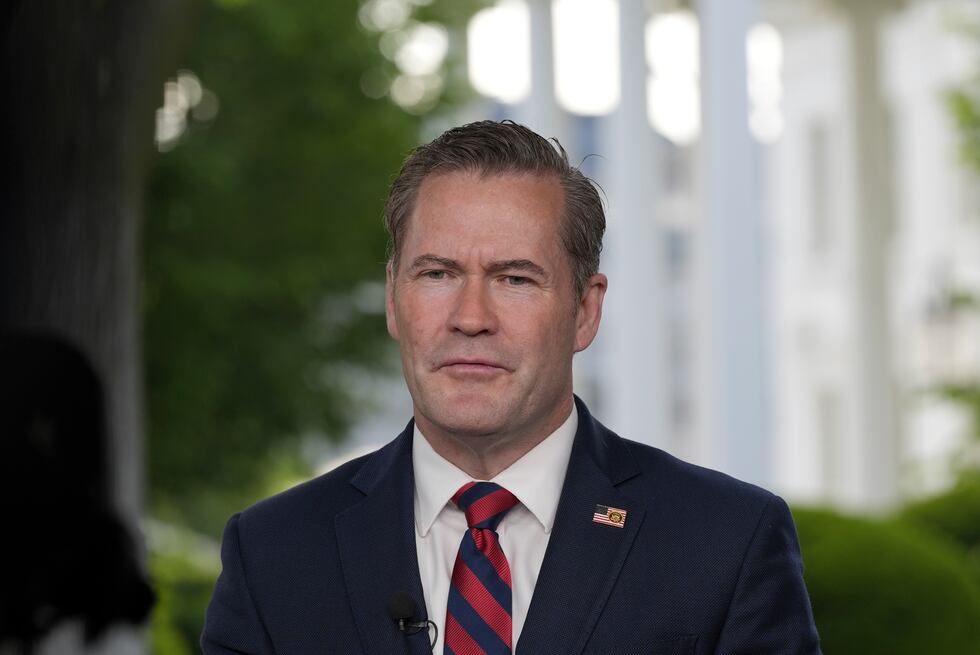
Trump’s First 100 Days: A Legal and Political Opinion
The first 100 days of any presidency have long been viewed as a litmus test for an administration’s policy direction, political resolve, and legal footing. In the case of the Trump administration, this period was full of unexpected twists and turns that left many observers both fascinated and concerned. Today, we take a closer look at that seminal period from a legal perspective, examining how early decisions, legislative proposals, and the administration’s overall approach have influenced American politics, raised new legal debates, and set precedents that will affect future governance.
At a time when political discourse is often on edge, it is essential to analyze the nuanced legal challenges and the tangled issues that emerged during those first 100 days. In this opinion editorial, we aim to dig into the legal and constitutional questions raised during that time, while also discussing how shifting public opinion and evolving political strategies have played their part.
Evaluating the Trump Administration’s Legislative Impact and Legal Precedents
The Trump presidency began with bold promises, and many critics and supporters alike were keen to watch how policies would align with the constitutional limits and responsibilities of the executive branch. What became apparent were several key shifts in legislative strategy that often generated intense debate among legal scholars and policymakers. Decisions that seemed to shortcut traditional checks and balances led to a flurry of legal challenges in the courts.
Many of these decisions have been characterized as working through the tricky parts of executive power—a constant reminder of how quickly political mandates can change legal frameworks. For instance, executive orders related to immigration, trade, and environmental policy immediately sparked both legal scrutiny and heated public debate. Allies claimed that such orders were essential for protecting national interests, while critics argued they were overwhelming examples of executive overreach.
This period also brought forward several legal precedents. One notable aspect was the way in which courts were asked to figure a path through conflicting interpretations of constitutional authority. The challenge was to reconcile a president’s broad claims of executive privilege with the need for legislative oversight—a balancing act that required careful navigation of the little details of constitutional law.
How Early Policy Decisions Set the Stage for Future Legal Conflicts
The Trump administration’s early days were marked by abrupt changes in policy direction. These moves, often perceived as both bold and nerve-racking, invited immediate analysis from legal experts who saw in them the seeds for protracted battles over presidential power. For example, the prioritization of deregulation in key sectors, coupled with a redefinition of federal oversight across various domains, pushed legal boundaries and led to challenges that continue to be debated in courts today.
Critics argued that many of these policy shifts sidestepped the extensive legislative process required for major statutory changes. They maintained that such shortcuts risked undermining the rule of law by bypassing the careful review typically associated with crafting regulations. On the other side, supporters noted that in times of crisis—be it economic upheaval or security concerns—a rapid response is sometimes needed, even if that response involves navigating tangled legislative procedures.
This dynamic created a polarized legal environment where every decision was dissected not only for its immediate impact but also for its long-term consequences for the balance of power in government. The polarized nature of these debates is a reminder of the important role that our legal system plays in overseeing the reach of executive authority.
Dealing with Tricky Parts of Administrative Law and Executive Orders
One of the most debated aspects of the first 100 days was the issuance of several high-profile executive orders. These orders were intended to address issues ranging from national security to economic protectionism. However, each order also presented its own set of tricky parts and complicated pieces of legal controversy.
For example, several orders on immigration policy not only had far-reaching social consequences, but they also quickly became the subject of litigation. In many cases, federal judges were asked to take a closer look at whether these orders adhered to the invitations implicit in long-standing legal principles and statutory mandates. The resulting conflicts in the courts illustrated how executive actions—even those pursued in good faith—can rapidly become loaded with legal questions about statutory interpretation and the scope of presidential powers.
- Some legal experts argued that these orders were a necessary response to what was seen as a drift in traditional immigration enforcement policies.
- Others claimed that bypassing Congress in this manner set a dangerous precedent, potentially upsetting the equilibrium between branches of government.
- The ongoing litigation related to these orders continues to offer a rich field of study for scholars interested in the fine points of administrative law.
These controversies reveal that while executive action can offer a rapid response to emerging challenges, it is equally important to consider the potential for legal repercussions when steering through the complicated pieces of administrative law.
Breaking Down the Legal Ramifications of Trade and Deregulation Initiatives
Another significant initiative in the early days of the Trump presidency was a marked shift toward deregulation and a reorientation of trade policies. These actions had immediate economic and legal consequences. By cutting what some viewed as excessive regulations, the administration aimed to ease business constraints; however, this approach also generated considerable controversy over its legal basis.
The following table highlights some of the key trade and deregulation measures and summarizes their legal implications:
| Measure | Objective | Legal Controversy |
|---|---|---|
| Reduction of Environmental Regulations | Stimulate industrial growth | Legal challenges based on statutory requirements under environmental law |
| Revised Trade Tariffs | Protect domestic industries | Alleged violations of international trade agreements |
| Deregulation in the Financial Sector | Increase market flexibility | Concerns about oversight and consumer protection |
Each of these measures was pursued with the stated goal of reducing what the administration considered bureaucratic delays and excessive limitations on growth. Still, many stakeholders believed that careful attention must be paid to the underlying legal frameworks governing each area. The debates over these initiatives serve as a useful case study in balancing economic ambitions against the need for legal certainty and accountability.
Taking a Closer Look at Judicial Oversight and Policy Implementation
One of the most nerve-racking aspects for legal observers was the evolving relationship between the executive branch and the judiciary. As the administration forged ahead with policies that many found intimidating, courts were called upon to intervene in decisions that had far-reaching implications.
This period underscored the crucial role of judicial oversight in ensuring that the executive branch does not exceed its mandate. Legal challenges to several high-profile orders and policy shifts demonstrated that while the president may have broad authority, that authority is not absolute. Judges played a pivotal role in determining whether the administration’s actions met the legal thresholds required by existing law.
This balancing act, while fraught with tension, is a testament to the enduring strength of our system of checks and balances. It also reinforces the need for every branch of government to respect the boundaries set forth in the Constitution, particularly at times when rule-of-law safeguards may appear to be under pressure.
Understanding the Legal Effects of Separation of Powers During a Politically Loaded Era
The concept of separation of powers has always been a cornerstone of American governance. However, the Trump administration’s early actions revealed several little details that many found full of problems. At the center of this debate was whether the executive branch was overstepping its bounds, thereby encroaching on the responsibilities of Congress and the judiciary.
Critics maintained that some of the administration’s actions were an attempt to circumvent the traditional roles that each branch plays. By attempting to push through initiatives without the full consent of the legislative branch, the administration made a case for a re-examination of historical precedents and constitutional interpretations. Proponents, on the other hand, argued that such measures were critical for a swift response to modern challenges and that the unique circumstances of that period justified a different approach.
The tension between rapid policy response and adherence to traditional checks and balances remains a central theme in legal debates today. It is an ongoing discussion that continues to impact both legislative processes and the overall health of our democratic institutions.
Key Takeaways: Legal Lessons from the First 100 Days
After reviewing the legal controversies and policy shifts of the Trump administration’s initial period in office, several key takeaways emerge that are critical for understanding modern American governance:
- Executive Orders and Their Limits: While executive orders can be a powerful tool for addressing urgent matters, they must be grounded in legal authority and remain subject to judicial review.
- Deregulation as a Double-Edged Sword: Rapid deregulation can stimulate economic growth, yet it also creates a need for careful legal scrutiny to prevent potential abuses or unintended consequences.
- Separation of Powers Remains Crucial: The experiments in expanding executive power during the first 100 days underline the essential role of the judiciary and legislature in maintaining a balanced system of government.
- Policy Implementation Is Full of Twists and Turns: Every decision, no matter how intended for efficiency, often generates a cascade of legal challenges that require meticulous management of both immediate and long-term impacts.
These topics are not only relevant to those who study political science or law but speak directly to anyone interested in how power is wielded and constrained in the United States. The administration’s early efforts to take a stand on pressing national issues continue to provide fuel for legal debates and policy recalibrations, many of which persist in the current political climate.
Assessing the Impact on Future Governance and Legal Policies
The repercussions of those first 100 days have continued to influence how subsequent presidents approach the balance between swift action and adherence to legal traditions. In a climate where political battles are often laden with tension, future administrations may find themselves pressured to adjust their strategies in response to both litigation risks and public opinion.
The legal community has taken away several important lessons from this period. First, the importance of clear legal frameworks cannot be overstated. When an administration attempts to prune regulations or push through significant policy changes with minimal legislative input, it opens itself up to judicial challenges that can ultimately stall or even reverse its initiatives.
Second, ongoing debates about executive power have highlighted the need for transparency and accountability. It is essential that the public—and the various branches of government—remain vigilant in ensuring that any measures taken by an administration are not only effective but also legally sound and consistent with constitutional principles.
Looking forward, future administrations will likely bear the imprint of these experiences. They must balance the need for agility in policymaking with the responsibility to adhere strictly to legal and constitutional constraints. As history has shown, the consequences of disregarding legislative oversight or overstretching executive authority can be long-lasting, affecting both policy implementation and public trust.
Legal Challenges and the Role of the Courts in a Shifting Political Landscape
Another critical aspect to consider is the role played by the judiciary in assessing the legality of executive actions. Throughout the first 100 days, several court cases emerged as a battleground where the limits of presidential power were rigorously tested. In many cases, judges were required to take a closer look at policy decisions that critics viewed as bypassing the traditional legislative process.
These legal challenges were not merely technical disputes; they were clarion calls for affirming the importance of rule-of-law principles at a time when many felt that political processes were under threat. The courts had to manage an array of issues that involved interpretations of long-standing statutes, the fine points of administrative law, and the subtle details of constitutional provisions.
For instance, legal observers noted that some of the challenges provided a unique glimpse into how courts balance the urgency of policy changes against the need for legislative involvement. In doing so, the judiciary helped steer through the confusing bits and the nerve-racking decisions without compromising the constitutional framework.
This interaction between the executive and the judicial branches continues to be a defining feature of our political system. The legal precedents established during these early days continue to influence how both contemporary and future administrations are held accountable for their actions.
Comparative Perspectives: How Other Democracies Manage Executive Power
No analysis of American governance would be complete without considering how similar challenges manifest in other democracies. Around the globe, governments face the same tricky parts when it comes to balancing effective leadership with genuine adherence to legal norms. Comparative analysis helps provide valuable insights into the strengths and weaknesses of the U.S. approach.
For example, many European countries have robust parliamentary systems that inherently encourage collaboration between the executive and legislative branches. In such systems, sweeping executive actions are typically subject to intense parliamentary debate from the get-go, often resulting in a more measured approach to policy implementation. On the other hand, presidential systems like that of the United States can sometimes see more abrupt shifts in policy as a new administration attempts to implement its agenda swiftly.
These contrasting systems highlight that while agility in decision-making is essential, there are significant differences in how legal oversight is structured across different democracies. The U.S. system, with its strong emphasis on separation of powers and frequent recourse to judicial review, has its benefits and drawbacks. However, the lessons from Trump’s first 100 days suggest that even in a system that values rapid response, thoughtful legal analysis and adherence to foundational principles are super important.
Privacy, Data Regulations, and the Interplay with National Policy
While the most heated debates during the first 100 days often centered on issues like immigration and trade, the administration’s approach to privacy and data regulations also generated significant discussion. In an age where personal data has become a key component of both economic strategy and national security, any shifts in policy are bound to carry legal risks.
The delicate balance between facilitating innovation and protecting individual rights proved to be one of the more nerve-racking challenges. Legal analysts noted that rapid deregulation in the technology and data sectors risked oversimplifying the complicated pieces of privacy law. In effect, the actions taken during that period forced both lawmakers and the public to poke around deeper issues regarding data governance and the legal protection of privacy.
For instance, decisions aimed at reducing restrictions on data usage were celebrated by some as a boost for business but condemned by privacy advocates who argued that such moves endangered personal freedoms. Legislators have since tried to strike a balance by drafting new laws that address these concerns while still permitting innovation. This debate is ongoing and reflects the broader struggle to make your way through an increasingly interconnected and data-driven world without compromising core legal safeguards.
The Role of Public Opinion and Political Narratives in Shaping Legal Policy
It is important to recognize that legal decisions do not occur in a vacuum. The political narratives and public sentiments that surround such decisions can have a profound influence on how laws are implemented, challenged, and ultimately interpreted by the courts. During Trump’s first 100 days, public opinion was deeply divided, which in turn affected how legal policies were discussed in the media and on the ground.
Political narratives are often loaded with language that reflects both support and opposition. As a result, even the most seemingly straightforward legal challenges were subject to reinterpretation through the lens of public sentiment. This atmosphere—a mix of controversy, rapid legislative changes, and legal pushback—meant that every decision was accompanied by public debate, polemics, and ongoing reassessment of its impact.
These factors remind us that the battle over policy is never just about the text of the law. Instead, it is also about managing your way through a climate of opinion, mitigating the impact of politically charged rhetoric, and ensuring that legal decisions maintain the integrity of the rule of law, regardless of shifting public tides.
Lessons for Legal Practitioners and Policymakers: A Roadmap for the Future
The first 100 days of the Trump administration have left a lasting mark not only on political discourse but also on the practice of law and the work of policymakers. Both legal practitioners and lawmakers can learn valuable lessons from this period, particularly on how to manage your path through similarly challenging political climates in the future.
Here are some of the most important takeaways for those in the legal and policy-making fields:
- Clarity and Transparency: In times of rapid change, making decisions openly and providing clear justifications is key to minimizing backlash and legal challenges.
- Respect for Checks and Balances: While decisive action may be necessary, ensuring that all branches of government are consulted can protect against legal disputes and maintain public trust.
- Attention to Fine Points: Even minor oversights or ambiguous language in executive orders can lead to long-lasting litigation. Diligence in drafting is not just a legal duty but a political necessity.
- Preparedness for Judicial Review: Policy makers must be ready to face legal challenges with well-supported arguments that emphasize adherence to constitutional principles.
- Responsive Legislation: Legislators should take cues from emergent legal controversies to update laws and regulations to better align with modern challenges—whether in technology, trade, or privacy protection.
By studying the legal battles and policy shifts of the early days of the Trump administration, both experienced practitioners and new policymakers can better figure a path forward when confronted with similarly overwhelming changes. This roadmap not only helps in charting the legal course but also in fostering a more informed and balanced discussion about the role of power in our democratic society.
A Call for Balanced Governance in an Era of Rapid Change
The first 100 days under President Trump were a period of rapid and sometimes unpredictable shifts in policy and legal outlook. It was a time when political decisions were made against the backdrop of a rapidly changing global landscape and a shifting domestic political narrative. From executive orders on immigration to debates over trade and data privacy, the administration’s approach often reflected a desire to move quickly in response to contemporary challenges—even if that speed came with a risk of creating legal puzzles that would take years to sort out.
In a democratic society, it is essential to take a balanced view when evaluating such periods of transformation. While there is value in decisive action, it must be tempered by careful consideration of the legal framework that underpins our society. A government that respects its constitutional limits is one that not only fosters innovation and progress but also maintains the trust of the governed.
This editorial serves as a reminder that the legal lessons from Trump’s first 100 days remain relevant today. They underscore the need for all branches of government to collaborate and maintain open lines of communication—to share responsibility in managing the tricky parts of policy implementation and ensuring that every decision is legally sound.
Conclusion: Reflecting on a Transformative Period in American Governance
In reflecting on the Trump administration’s first 100 days, we find a period marked by bold moves, rapid policy shifts, and significant legal challenges. The legacy of that formative period is full of contrasting viewpoints, with some hailing the administration’s decisive action and others warning of the long-term legal risks associated with bypassing traditional legislative processes.
From contentious executive orders to far-reaching deregulation measures, every decision revealed the delicate balance required to manage an effective government. Legal experts, political observers, and everyday citizens alike were forced to take a closer look at how presidential authority is defined, limited, and contested in the face of modern challenges.
Perhaps the most enduring lesson is that the rule of law, as enshrined in our Constitution and interpreted by our courts, remains the bedrock of American democracy. While rapid policy changes and bold initiatives are often celebrated for their potential to foster change, they must always be underpinned by a respect for the legal frameworks that preserve our freedoms and ensure accountability.
As we continue to debate and analyze the impacts of early presidential decisions in our political climate, it is essential to keep in mind that the legal principles governing these actions are not simply relics of the past. Instead, they are living elements of our democracy that require constant vigilance, thoughtful discussion, and, above all, a commitment to upholding the values on which this nation was built.
Looking ahead, it is critical for current and future leaders to steer through the confusing bits, manage their way through the complicated pieces of policy, and consistently work to build a more transparent and accountable system of governance. In doing so, they will not only honor the lessons of the past but also lay a strong ethical foundation for the challenges of tomorrow.
Final Thoughts: Charting a Course for Enhanced Legal and Political Discourse
The legacy of a presidency cannot be reduced to a single period, and the early days of the Trump administration offer both cautionary tales and insights into the potential for bold leadership. As legal practitioners and policymakers continue to evaluate these pivotal moments, the focus must remain on building frameworks that facilitate thoughtful debate rather than rushing headlong into potentially overlapping legal territories.
In our ever-evolving political landscape, understanding the small distinctions between rapid, reactionary policies and those that are carefully balanced against legal norms is super important. By embracing the fine shades of legal interpretation, we can ensure that governance remains both effective and accountable.
Ultimately, the first 100 days serve as an invitation to all of us—citizens, lawyers, lawmakers, and judges—to keep a vigilant eye on the interplay between power and law. Through collaborative dialogue, informed analysis, and a commitment to fairness, we can work together to reinforce the democratic foundations of our nation for future generations.
This editorial is offered not only as an analysis of past actions but also as a call for balanced, well-considered policy-making in the years to come—a call to manage the tricky parts of governance with both speed and sober legal reflection.
Originally Post From https://www.cbsnews.com/video/mike-waltz-trumps-national-security-adviser-leaving-white-house-post-special-report/
Read more about this topic at
News Platform Fact Sheet, 2024
Top 50 news websites in the world