
DNC Electoral Reform Under Scrutiny: The Challenge and Its Broader Implications
The recent upheaval within the Democratic National Committee around the vice-chair elections has ignited a firestorm of debate. With allegations that the February voting process was tainted by tangled issues and confusing bits, concerns are mounting over whether the party can maintain its promise of neutrality. This op-ed examines the current challenge led by Kalyn Free, the friction it has sparked between party insiders, and the potential long-term effects on the organization’s internal democracy.
DNC Vice Chair Election Procedural Discrepancies: Digging into the Details
A Democratic National Committee panel has recently recommended redoing the vice chair elections for David Hogg and Malcolm Kenyatta. The panel’s resolution, passed by the DNC credentials committee, contends that the earlier process was undermined by procedural irregularities. Specifically, it argues that combining two separate questions during the vote tally created a tangled environment that may have unintentionally advantaged certain candidates over others.
Kalyn Free, a Native American committeeperson from Oklahoma who lost to Hogg in one of these contests, is the main challenger citing these issues. Her claim is that the blending of questions in the ballot not only muddled the process but also unfairly impacted the outcomes. Free’s allegations point to the possibility that male candidates received a boost in what should have been a straightforward election—a claim that, if verified, calls into question the integrity of the process.
Critics argue that the procedures used involved a series of complicated pieces that may have led to misunderstandings and misinterpretations of party rules. This raises a series of questions: How did the vote tally work? Was it inherently biased? And can the party trust its established structures to ensure that every vote truly counts?
Below is a summary of the issues brought forward:
- Combined Ballot Questions: The decision to merge two separate electoral questions may have influenced voter behavior in unexpected ways.
- Gender Bias Concerns: There is an apprehension that the merged approach inadvertently favored male candidates, undermining the party’s commitment to fair play.
- Precedent for Future Elections: If unresolved, this situation sets a worrisome precedent where minor glitches in the process could have outsized effects on leadership positions.
In essence, what at first appeared to be a standard internal election process has revealed several tricky parts that demand a closer look. The party now finds itself at a crossroads where its long-term credibility could suffer if these tangled issues remain unaddressed.
Party Neutrality Versus Leadership Ambitions: A Delicate Balancing Act
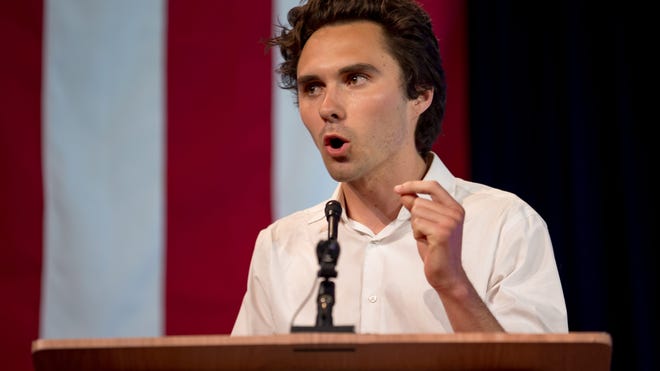
The current controversy is about more than just the voting process—it touches on the broader question of how party leaders should conduct themselves amid internal disputes. David Hogg, a 25-year-old Parkland school shooting survivor known for his gun control advocacy, has been a polarizing figure within the DNC. While his enthusiasm for reform and his willingness to challenge the status quo have earned him a passionate following, they have also made him a lightning rod for criticism.
Hogg’s staunch support for primary challenges against Democratic incumbents—whom he accuses of being “asleep at the wheel” in the fight against former President Trump—has further complicated the situation. His initiative, Leaders We Deserve, aims to inject fresh energy and accountability into the party by calling for tougher primary challenges. However, this approach is seen by some as too confrontational, potentially jeopardizing the delicate balance needed for the party to function effectively.
Critics insist that those in leadership should practice restraint and refrain from actions that could be perceived as undermining the party’s neutral stance in internal contests. DNC Chair Ken Martin has repeatedly stated that neutrality is essential, arguing that it ensures party insiders are not seen as “swinging the bat” while also calling the shots. In this light, Hogg’s vocal criticism and his apparent willingness to push for his own agenda are seen as part of a broader struggle over how the party should chart its course.
A breakdown of the essential issues in this debate is as follows:
- Maintaining Election Integrity: Striking a balance between progressive reform and the need for a fair, neutral internal process.
- Accountability Versus Partisan Politics: Hogg’s push for accountability is applauded by some but considered recklessly partisan by others.
- The Role of Party Leadership: How far should leaders go in expressing their opinions without compromising the organization’s neutrality?
This balancing act is nerve-racking for any political organization. The delicate dance between maintaining internal order and fostering an environment that welcomes reform is full of problems, and even small actions can lead to significant fallout.
The Impact on Democratic Party Reforms and Internal Dynamics
Behind the dispute over the vice-chair elections lies a larger effort to reform the operations of the party. At a time when internal party divisions are loaded with issues that mirror the polarization seen on the national stage, both critics and supporters agree that the way forward requires both substantial reform and a careful readjustment of internal norms.
This controversy spotlights the challenging bits that many reformers face, highlighting the stark contrast between established practices and innovative approaches. The debate is not simply about one election—it is fundamentally about how the Democratic Party can adapt to changing political realities while preserving its core values.
Those in favor of redoing the election argue that it is a critical step towards ensuring fairness, especially if the previous process genuinely disadvantaged certain groups. On the other hand, opponents fear that such moves might undermine the legitimacy of past elections and discourage future participation. A table summarizing the pros and cons might help clarify the stakes at hand:
| Pros of Re-Vote | Cons of Re-Vote |
|---|---|
|
|
There is no question that reforming internal election processes is critical. Yet, when the required changes come with so many twists and turns, party leaders must tread carefully to ensure that any moves toward reform are not seen as politically motivated maneuvers but as genuine attempts at improvement.
Understanding the Broader Political Context and Its Small Distinctions
When we take a closer look at the unfolding events, it becomes clear that this is not merely about internal party procedures. The situation is riddled with tension that reflects broader trends in American politics. With the party currently facing immense pressure both from its base and from external political adversaries, any action that seems to disrupt the status quo is bound to attract attention.
The argument put forward by Hogg—that the DNC is “fast tracking” an effort to remove him—can be read as both a personal grievance and a symbol of a wider struggle for power within the party. To some, this is an example of healthy internal democracy; to others, it is a sign that partisan politics have seeped into the very fabric of the Democratic Party’s operational procedures.
Below are some of the factors that have contributed to this charged atmosphere:
- Generational Divide: Younger members, represented by figures like Hogg, have a very different vision for the party compared to more traditional Democrats.
- Reform versus Status Quo: Many see the push for internal reform as a reflection of a broader generational call for accountability in leadership.
- National Political Climate: The party’s internal struggles parallel the intense national debates over policy and identity amid a polarized political landscape.
Amid all this, it is essential to appreciate the fine shades that distinguish genuine reform from mere political maneuvering. Steering through these changes requires not only a solid grasp of the little details but also a commitment to the broader ideals that underpin the organization.
How the DNC Can Figure a Path Through This Storm: Proposals for Moving Forward
The present crisis, while unsettling, also offers an opportunity for introspection and transformation. Reform demands that the DNC not only address the immediate procedural challenges but also reassess its internal structures to better reflect modern democratic values. With the stakes being so high, it is super important for the party to engage in a comprehensive dialogue about both its election processes and its overall governance philosophy.
As the party contemplates a re-vote for the vice-chair positions, several suggestions have emerged on how best to correct the course. Below is a bulleted list of potential measures:
- Reassessing Voting Procedures: Undertake a thorough review of current protocols to identify and eliminate any confusing bits that have led to irregularities.
- Enhancing Transparency: Implement systems that publicly track vote counts and procedural decisions to bolster member confidence in the process.
- Ensuring Inclusivity: Revise ballot structures so that all candidates, regardless of gender or background, compete on an even field with no hidden complexities.
- Consultative Decision Making: Engage a diverse group of stakeholders to provide insights on how best to design a fair election framework.
- Training for Party Officials: Organize workshops that explain the fine points of the party’s charter and election rules so that misinterpretations are less likely to happen in future elections.
In addition, many recommend establishing an independent oversight body. Such a panel would have the authority to monitor all stages of electoral procedures, intervening quickly if similar issues start to emerge again. This approach would not only address the immediate challenge but also serve as a cornerstone for rebuilding trust among party members.
Reflections on Leadership and the Challenges of Reform
The debate surrounding David Hogg’s vice chair position represents a microcosm of the larger challenges facing the Democratic Party today. Every reform effort comes with its own set of tricky parts, and the fine details of internal procedures can quickly become a flashpoint for broader ideological battles.
On one side, there is a call for decisive reform—an acknowledgment that outdated processes can no longer be allowed to muddle the expression of democratic will. On the other, there is the peril of overreaction, where procedural adjustments may be interpreted as targeted political moves. In either case, the outcome carries profound implications for party unity and public confidence.
By insisting on a re-vote, the DNC is effectively acknowledging that even well-intentioned practices can be derailed by confusing bits in the execution. The incident invites us to ponder: Should reform be pursued so aggressively that it destabilizes long-standing democratic practices? Or is it crucial to address every twisted issue head-on—even if that means challenging entrenched power structures?
This dilemma is indeed nerve-racking for party leaders, who must balance the need for reform with the risk of appearing partisan. In these circumstances, it is critical to find your way through the tangled issues with an approach that is both inclusive and principled, ensuring that every decision is made in an atmosphere of transparency and mutual trust.
Legacy and the Future of Internal Party Democracy
Looking ahead, the implications of this controversy extend far beyond the immediate electoral process. The way the DNC addresses these procedural challenges will set the tone for how the party evolves in an era marked by rapid change and widespread scrutiny. For many, this is a moment to reflect on the very principles that underpin modern democratic governance—transparency, fairness, and accountability.
Some argue that reforming internal party procedures is not only necessary but a moral imperative. After all, if the very mechanisms designed to count votes and represent the collective will are riddled with problems, then what hope is there for the democratic process as a whole? However, others caution against overhauling systems that, while not perfect, have long served as the backbone of the party’s operations.
The delicate balance required here cannot be overstated. As the party considers proposals for change, it must ensure that each step forward is measured and thoughtful. The potential for reform to be misinterpreted as an attack on history or an attempt to “swing the bat” in internal politics is a real danger that must be carefully mitigated.
To illustrate this further, consider the following table that contrasts two distinct perspectives on the optimal approach to internal party reform:
| Incremental Reform | Radical Overhaul |
|---|---|
|
|
This dichotomy encapsulates the broader debate not only within the DNC but across many political organizations today. Both sides present valid points, and the challenge lies in forging a path that is neither too timid nor too aggressive—a middle way that truly respects the heritage of the institution while embracing the need for continuous improvement.
President of the Party’s Challenges: Balancing Reforms with Public Perception
The role of party leadership is never easy, particularly when every decision is amplified by media scrutiny and internal dissent. DNC Chair Ken Martin finds himself in a particularly difficult position: on the one hand, he must enforce the rules as written; on the other, he must navigate the very real internal pressures from reformers like Hogg and other progressive voices. His recent comments, acknowledging a procedural error before his tenure, underscore the critical juncture at which the party now stands.
For leaders like Martin, the challenge is to steer through these overwhelming issues without alienating any faction of the party. He must figure a path that harmonizes a genuine commitment to democratic principles with the political necessity of maintaining party unity. In practical terms, this means taking care not to let internal battles spill over into the public arena in a way that damages the party’s broader appeal.
This balancing act is akin to walking a tightrope. It demands not only an appreciation for the fine points of party rules and internal procedures but also a deep understanding of the subtle details of public opinion. At a time when trust in political institutions is on the decline, every misstep risks further erosion of credibility.
The following bullet list summarizes some of the key challenges that DNC leadership faces in this context:
- Maintaining Internal Cohesion: Ensuring that reforms do not lead to factionalism or overt partisanship.
- Preventing Public Backlash: Crafting policy changes that the public perceives as fair, even-handed, and necessary.
- Balancing Tradition with Innovation: Honoring the party’s history while implementing necessary changes to meet current challenges.
- Transparent Communication: Clearly explaining the reasons behind any procedural adjustments to prevent misunderstandings.
Such measures are super important to counteract any perception that internal reforms are being used merely as a tool for sidelining certain leaders. Instead, they must be presented as part of a broader effort to modernize the party and adapt to the rapidly changing political landscape.
Looking Forward: Constructive Change in a Divisive Environment
While the current controversy brings to light a number of twisted issues within the DNC, it also presents an opportunity to craft a future based on more inclusive and transparent governance. The debates over the vice-chair election, the ensuing calls for a re-vote, and the broader discussions about party reform all point towards a need for introspection and constructive change.
For reformers like David Hogg and his supporters, the call to action is clear: hold the institution accountable and ensure that election procedures are fair for all. For traditionalists and party stalwarts, the emphasis remains on preserving beloved processes and avoiding radical departures that might endanger unity. The challenge lies in reconciling these views in a manner that respects both the need for accountability and the value of longstanding democratic practices.
Here are a few ideas that might help the party move forward constructively:
- Establishing a Non-Partisan Review Panel: Creating an independent body tasked with overseeing internal elections could prevent future debates from becoming unnecessarily loaded with issues.
- Regular Audits and Open Forums: Frequent, transparent reviews of election procedures, combined with open discussions involving all stakeholders, could help identify and correct any problematic parts before they escalate.
- Policy Workshops for Members: By organizing educational sessions on the fine points of election rules, the party can ensure that all members understand the procedures and trust the system.
- Clear Communication Channels: Setting up dedicated channels for addressing internal grievances promptly will help prevent miscommunications and mitigate tensions.
Adopting these approaches could pave the way for a future where internal reforms enhance—not undermine—confidence in the DNC. Every twist and turn in the process presents a learning opportunity, a chance to modernize systems, and a platform for broader, more inclusive dialogue within the party.
Conclusion: Embracing Change While Preserving Democratic Ideals
In the end, the turmoil surrounding the DNC’s vice-chair elections is more than a dispute over a single vote. It symbolizes the challenges inherent in any democratic system: the need to balance reform with continuity, to honor tradition while embracing innovation, and to ensure that every candidate’s voice is heard fairly.
The controversy shines a light on both the strengths and weaknesses of the current process. While there is undeniable merit in the call for a re-vote to address procedural slip-ups, there is also a palpable risk that such measures could deepen internal rifts. The path forward demands a thoughtful, step-by-step approach—one that acknowledges the small distinctions and subtle details that underlie the broader debate.
By taking deliberate steps to address the confusing bits and tangled issues that have emerged, the DNC can reassure its members and the public that it remains committed to transparency and fairness. Moreover, this crisis offers a powerful reminder that elected institutions must constantly evolve, adapting to new realities while holding fast to the core values that define them.
Ultimately, the decisions made today will not only shape the future of the party but also serve as a benchmark for how modern democratic organizations can manage their internal affairs. The challenge is not an insurmountable one—it is an opportunity to polish the nitty-gritty of party operations and to pave the way for a more inclusive, accountable future.
As the Democratic National Committee stands at this crossroads, its leaders, reformers, and critics alike must work together to find a path that restores trust and strengthens democratic processes from within. Only by embracing constructive change, while remaining firmly rooted in democratic ideals, can the party hope to thrive in an era defined by both unprecedented challenges and unmatched opportunities.
In these nerve-racking times, it is essential to recognize that every struggle within the halls of internal politics reflects the broader vision for a more transparent, equitable future. By addressing the tricky parts head-on and striving for a balanced approach, the DNC can emerge stronger—setting an example of true reform and internal unity for political organizations everywhere.
Originally Post From https://www.cbsnews.com/news/david-hogg-vice-chair-vote-dnc-democrats/
Read more about this topic at
DNC panel pushes to scrap David Hogg’s vice chair election
DNC subcommittee votes to void election of David Hogg …