:max_bytes(150000):strip_icc():focal(749x0:751x2)/Vance-Luther-Boelter-new-photos-061525-32f2f5ed2be1408180f2cea5284bea19.jpg)
Impersonation and Political Violence: A Troubling Trend
Recent events in Minnesota, where a man posing as a law enforcement officer killed a lawmaker and her husband while injuring another politician and his spouse, have stirred a storm of debate on the state of political violence in our society. This case, which has already ignited discussions across both local and national media platforms, highlights the dangerous consequences when a criminal exploits the public’s trust in law enforcement. In a climate already riddled with tension and political disagreements, the emergence of such a brazen act forces us to take a closer look at the legal and social implications of impersonation, targeted violence, and the subsequent manhunt that has gripped communities across the state.
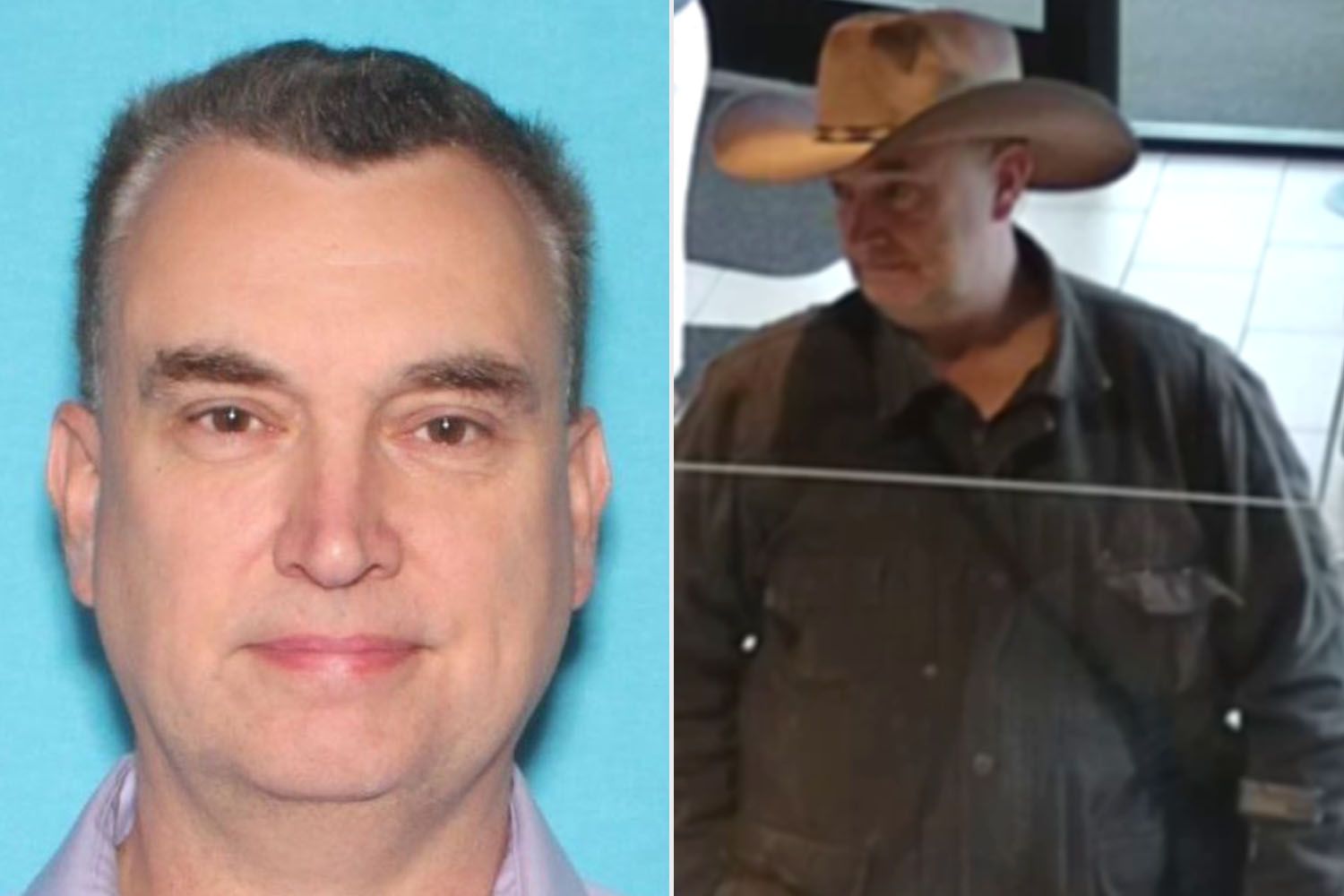
The events of Saturday morning in Brooklyn Park, Minnesota, have left citizens shaken and authorities scrambling to figure a path through the tangled issues raised by this incident. With a suspect identified as 57-year-old Vance Boelter – a name echoed by several source reports though not officially confirmed in public statements – the case brings into focus the tricky parts that law enforcement faces in politically charged situations. The suspect gained access to the intimate spaces of political figures by masquerading as an officer, thereby turning an emblem of safety into a tool for criminal activity. This act of deception is not only a criminal offense, but it also undermines the public’s confidence in those who wear the uniform and the processes designed to protect society.
When a False Badge Erodes Public Trust
In cases like these, it is essential to understand how a person’s decision to exploit a symbol of authority can have far-reaching consequences on both national politics and the day-to-day lives of law enforcement professionals. When an individual dresses in a uniform, especially one that is indistinguishable from that of official officers, it creates a dangerous blurring of boundaries that is on edge with significant legal complications.
The suspect’s imitation of a police vehicle – complete with emergency lights and all the external features expected from a legitimate SUV squad car – is one of the many confusing bits that add complexity to the discussion. Such actions are not only criminal but also a profound betrayal of public expectation. Citizens who rely on the uniform and the symbols associated with it for assurance are left wondering if they can still trust the protective measures that are in place.
For law enforcement personnel who display genuine dedication to their role, this incident represents an overwhelming challenge. The accused not only staged a deliberate attack against trusted public figures but also exploited the public’s faith in the system. Officers now face a double challenge: they must figure a path through the immediate danger posed by the criminal while also managing the long-term impacts on public confidence.
The Legal and Procedural Twists and Turns
Legal experts and political analysts alike are now busy unpacking the layer of tangled issues presented by this case. One of the most complicated pieces of the judicial puzzle centers on how the law interprets impersonation when it is used as a means to facilitate politically targeted violence. Although rules and regulations clearly state that impersonating a law enforcement officer is a criminal offense, the application of these laws becomes far more nerve-racking when the incident is intertwined with politically motivated violence.
From a legal standpoint, several key questions emerge:
- How can authorities effectively prove that the suspect’s actions were designed to target specific political figures?
- In what ways can established legal precedents be applied to instances where the designation of a “fake badge” intersects with politically charged rhetoric?
- What does this incident reveal about gaps in our current legal framework governing police impersonation and the misuse of police symbolism?
These discussions are super important because they force lawmakers to take a closer look at our legal infrastructure. When a suspect not only commits violent acts but also uses symbols that are meant to reassure the community, the legal system must be prepared to address those fine points. The presence of manifestos found in a vehicle – manifestos that reference multiple political figures – adds another layer of subtle details that legal professionals will need to examine as evidence.
In addition, the methodology of the investigation is full of problems for law enforcement. Officers have stated that after a brief exchange of gunfire with authorities, the suspect fled the scene via a back exit. The uncertainty of whether the suspect could have explosive connections to other politically charged incidents only further complicates the matter. This adds new twists and turns for those working through the legal framework.
Investigative Challenges in High-Profile Cases
Investigators and government officials are now faced with the solemn responsibility of finding a suspect who has not only committed a heinous act but has done so under the guise of authority. In politically turbulent times, a case like this proves to be extremely tricky due to several overwhelming investigative challenges:
- Evidence Collection: Law enforcement must work through the nitty-gritty details, including forensic analysis of the vehicle, ballistics from the firearms used, and digital evidence gleaned from the suspect’s cellphone data and writings.
- Public Safety Coordination: With massive police and sheriff deployments, ensuring that public spaces remain safe while investigations run concurrently is an off-putting challenge.
- Political Sensitivities: The fact that high-profile political figures were targeted adds a layer of subtle parts that are critical when planning security measures for future events.
- Managing Public Expectations: As officials report limited evidence at the moment, maintaining transparency without feeding into panic is a nerve-racking balancing act.
While the task of putting the pieces together might seem overwhelming, authorities are committed to ensuring that justice swiftly follows these acts of political violence. The investigative process, though complicated by both factual and procedural issues, is designed to keep the public informed while also safeguarding due process for the suspected perpetrator.
High-profile cases like this one underscore the importance of ensuring that law enforcement teams are well-prepared for the complications that emerge in politically sensitive investigations. It is key that the investigative teams work in tandem with local, state, and federal agencies so that statistics and intelligence are shared promptly and efficiently.
Community Response and Social Media Impacts
Events of such magnitude have an almost instantaneous ripple effect through the layers of public opinion. Communities are now taking to social media, demanding accountability and safety in a time where the fine shades of political discourse are more tense than ever. Even though law enforcement has assured the public that the investigation is ongoing, the resident’s trust in public safety is being reexamined as never before.
Political activists, community leaders, legal experts, and ordinary citizens have all contributed to a debate that is both passionate and divided. While recent protest activities – such as the scheduled “No Kings” rallies – were canceled following the discovery of suspicious flyers in the suspect’s vehicle, these gestures reveal how public gatherings are deeply entangled with the current climate of tension.
A closer look at the social media response reveals some key points:
- Heightened Concerns for Public Safety: Many community members express fears that political violence may soon become an everyday occurrence if the public’s trust continues to erode.
- Polarization of Opinion: While some citizens call for immediate legislative reforms to prevent impersonation and political targeting, others insist on maintaining a clear distinction between political discourse and criminal actions.
- Demand for Transparency: With evidence circulating online, there is an increasing call for authorities to release factual information promptly, minimizing the spread of misconceptions.
- Calls for Community Unity: Community organizers emphasize the need for dialogue between local representatives and law enforcement on security measures and public safety protocols in politically charged environments.
The table below summarizes the effects of social media on public opinion in the wake of politically charged violent acts:
| Aspect | Community Impact | Law Enforcement Challenge |
|---|---|---|
| Heightened Public Anxiety | Increased calls for safety and vigilance | Managing the dissemination of unverified information |
| Demand for Accountability | Pressure on officials to act quickly | Ensuring due process amidst public outcry |
| Political Polarization | Divided opinions on preventive measures | Balancing proactive steps with civil rights protections |
| Information Overload | Challenges distinguishing reliable news from rumors | Coordinating with digital platforms for accuracy |
This multi-faceted situation is loaded with issues that require cooperation across multiple channels. Social media amplifies every subtle detail, making it imperative that officials work closely with cultural communicators and digital strategists to manage narratives in a way that is both honest and reassuring.
Political Implications and the Future of Law Enforcement
The political fallout from this attack is as far-reaching as it is complex. When high-ranking lawmakers become targets, the repercussions extend beyond the immediate pain felt by the families involved. Rather, they signal a potentially enduring shift in how political figures are regarded and protected in an era where political debates are as off-putting as they are fervent.
The political arena must now consider several essential factors:
- Increased Security Measures: Lawmakers across the state and nation may need to adopt more critical security protocols, including better-verified identification and enhanced personal security details.
- Strengthening Legal Frameworks: There might be a push to tighten the laws governing police impersonation and orchestrated political violence. Lawmakers may explore new legislation that helps law enforcement agencies find their way through these complicated pieces.
- Repercussions on Political Discourse: As political divisions continue to widen, the public is forced to confront the possibility that the political climate itself may be inadvertently encouraging off-the-policy acts of violence. Discussions about free speech and the limits of political protest are now taking on new dimensions, urging politicians to tread carefully while maintaining accountability for their rhetoric.
The table below outlines potential policy responses and their anticipated effects on political discourse:
| Policy Response | Anticipated Benefit | Possible Drawback |
|---|---|---|
| Stricter Laws on Impersonation | Enhanced deterrence against criminal acts using false uniforms | May raise concerns about overreach and infringement on civil liberties |
| Improved Security Protocols for Lawmakers | Better protection for political figures and public officials | Higher security costs and potential isolation of public figures |
| Legislative Reforms on Political Violence | Clearer definitions and harsher penalties for politically motivated crimes | Risk of politicizing law enforcement tools and hindering free speech |
| Enhanced Interagency Coordination | Smoother investigations and more swift justice | Coordination challenges and bureaucratic delays |
Even as these proposals spark debate, one thing remains clear: creating an environment where political differences are debated peacefully and respectfully is super important. The current incident should serve as a catalyst for all stakeholders – from law enforcement and legislators to community leaders and everyday citizens – to come together and figure out practical ways to overcome the hidden complexities that have emerged from our current political landscape.
The Role of Media in Shaping the Narrative
Media coverage plays an undeniably key role in times of crisis. In a case as charged as this one, the press not only reports the facts but also influences the public’s understanding of both the severity of the crime and the broader political situation. In reporting on the events that unfolded in Brooklyn Park and Champlin, various media outlets have been forced to strike a balance between factual reporting and careful commentary.
The media must get into the nuances that are full of problems – the subtle parts that might otherwise be overlooked. For instance, detailed reports have touched upon the suspect’s writings found inside a vehicle, spokesperson accounts by police chief Mark Bruley, and statements by state officials such as Gov. Tim Walz. Collectively, these details construct a narrative that is critical both in informing the public and in shaping how society interprets the boundaries between political expression and criminal activity.
Journalists must also manage the daunting task of avoiding sensationalism while reporting on politically charged violence. They need to ensure that their coverage is thorough, balanced, and free of exaggeration. It is an off-putting challenge to piece together the factual details without inadvertently fueling further political tension – a challenge that requires both responsibility and sensitivity.
Key considerations for the media include:
- Focus on Verified Information: Relying on statements from verified law enforcement officials and corroborated evidence ensures that the public receives a clear picture of the events.
- Contextual Analysis: Providing historical background and comparing the current event to previous occurrences helps readers understand the twists and turns this case presents.
- Balanced Commentary: Highlighting multiple perspectives, from those of politicians to community members, reinforces the importance of dialogue over division.
By managing their way through the maze of public opinion and factual reporting, the media can help the community figure a path toward healing. Not only is it essential for the media to respect the gravity of the situation, but it is also their responsibility to ensure that corrective actions are reported accurately, thereby restoring public trust step by subtle step.
Impact on Law Enforcement and Officer Morale
For officers on the ground, the implications of this incident are both immediate and long lasting. Law enforcement professionals now face the added challenge of proving that they represent safety and security, even when criminals adopt their very image as a weapon against the community. The use of a false badge and vehicle is not just a criminal act – it is a deliberate attempt to exploit the trust that is so critical to public service.
This situation underscores several key challenges for officers:
- Rebuilding Confidence: Officers must work diligently to restore the trust of citizens who have become understandably wary after learning that a perpetrator could so easily imitate their appearance and tactics.
- Enhanced Training: Departments may consider integrating more rigorous training modules to recognize and counter instances of impersonation. Such steps could include public awareness campaigns detailing how to distinguish authentic law enforcement vehicles and uniforms from fraudulent imitations.
- Internal Investigations: Within law enforcement agencies, internal review processes often need to be strengthened in order to assess how security protocols can be improved when faced with such unconventional threats.
Law enforcement leaders have been clear in their statements: the suspect’s actions are seen as a betrayal of a sacred trust. The negative impact on officer morale is an off-putting yet real challenge that departments will have to address. Through stronger communication channels, a commitment to transparency, and enhanced community engagement, agents can gradually rebuild the relationship that has been strained by this incident.
Additionally, internal bulletins and departmental meetings are beginning to focus on the “little details” that can prevent similar events in the future. In doing so, law enforcement is not only managing their way through this immediate threat but also taking meaningful steps to mitigate the risk of future impersonation attempts. For the men and women on the force, this means working harder to ensure that every citizen feels safe, even in the wake of such intense political repercussions.
Lessons Learned and Recommendations for the Future
Even as the investigation unfolds and more details come to light, this tragic event offers several important lessons for policymakers, law enforcement, and the public alike. The following recommendations are aimed at collectively improving our response to politically motivated violence and the misuse of law enforcement imagery:
- Establish Clear Protocols on Impersonation: Legislators should craft clearer, more streamlined rules for dealing with cases where criminals use the symbols of authority to commit violent crimes. This would help remove some of the confusing bits in current legal language and provide law enforcement with a clearer roadmap for prosecution.
- Increase Coordination Among Agencies: Local, state, and federal agencies must work in tandem to share intelligence and resources. This enhanced coordination is key in making sure that every level of law enforcement is prepared to handle these off-putting challenges.
- Implement Community Outreach Programs: Outreach initiatives can play a super important role in rebuilding public trust. By fostering dialogue between communities and law enforcement, authorities can help citizens learn to distinguish between legitimate officers and those who seek to exploit public confidence.
- Invest in Technological Advancements: Upgrading communication and identification systems may serve as a deterrent against impersonation. From advanced vehicle identification features to biometric authentication for uniforms, technology can provide the extra layer of security that is needed in an era when criminals are becoming increasingly sophisticated.
- Support for Affected Families and Communities: Finally, it is critical to offer both legal and psychological support for the families affected by these tragic events. The toll of losing loved ones in politically motivated attacks cannot be overstated, and support mechanisms are an essential component to help communities recover.
These recommendations are designed to pave the way for proactive measures that limit the possibility of recurrence and help everyone – from lawmakers to local citizens – feel more secure. By focusing on the basic trust that the community places in law enforcement, policymakers can begin to steer through these complicated pieces of modern political violence.
The lessons learned in this case underline the importance of a multifaceted approach. This involves legal reform, community engagement, technological investments, and enhanced security measures. Each of these steps represents a critical piece of an overall strategy to reduce incidents where the symbols of safety are manipulated for nefarious purposes.
Working Through a New Era of Political Violence
The incident in Minnesota is a stark reminder that we are living in an era where political divisions are not just expressed on social media or in legislative debates—they can also escalate into actual violence. The misuse of a police uniform and vehicle for orchestrating political violence is a vivid example of how traditional symbols of safety can be twisted into weapons against a democratic society.
While it is full of problems to consider all the consequences of such actions, the long-term impact on the democratic process cannot be ignored. Political discourse, already tense due to a myriad of social and economic issues, now faces an additional challenge: the infiltration of criminality that exploits the very systems meant to protect us.
To move forward, society must address these off-putting challenges by making sure that channels for open, respectful dialogue remain intact. Political leaders and community figures need to ensure that differences in opinion do not escalate into violent actions. This requires:
- A Commitment to Peaceful Debate: Encouraging non-violent means of political engagement and discouraging inflammatory rhetoric can help mitigate the risk of violence.
- Enhanced Legal and Security Frameworks: Reforms that take into account both the finer details of impersonation and the broader context of political violence will provide clearer guidance for law enforcement agencies.
- Focus on Community Trust: Efforts to rebuild trust between citizens and the institutions that protect them must be given top priority. Programs that foster mutual understanding and cooperation are essential in healing a society that has been deeply impacted by the recent events.
In light of this tragedy, experts suggest that a robust national conversation is necessary to determine how best to protect the institutions of democracy while safeguarding individual rights. As citizens, we must dig into the history and underlying causes that lead to such sensitive flashpoints in political life. Only then can we figure a path to a more unified, less tense future.
Final Thoughts
In wrapping up this analysis, it is clear that the Minnesota shooting of prominent lawmakers and their spouses is more than just an isolated incident. It is a case study in the potential dangers of abusing trusted symbols and the critical importance of maintaining vigilance in our political and legal systems. The suspect’s actions, marked by an intimidating combination of impersonation and targeted violence, have exposed the vulnerable gaps in our public safety apparatus.
Law enforcement agencies, policymakers, and citizens alike must now work together to address the complicated pieces and subtle parts that have contributed to this unsettling episode. Whether it is by strengthening legal protocols, increasing technological safeguards, or simply fostering a climate of respectful dialogue, the path forward requires a collective effort to restore faith in our institutions and reinforce the boundaries that keep political life from descending into chaos.
As we navigate this treacherous terrain, let us remember that the ultimate goal is to create a society in which every citizen can feel secure – a society where the thin line between political debate and hate-fueled violence is carefully managed and protected. By taking a closer look at the events as they unfold and addressing the fine points that led to this tragedy, we can hope to carve a future that is resilient, just, and safe for everyone.
This case stands as a solemn reminder that the responsibility to protect and serve extends far beyond the badge and the uniform. It is a responsibility shared by every member of society, and one that demands that we work through the overwhelming challenges together, ensuring that trust is rebuilt, and the values of justice and democracy are preserved for generations to come.
Originally Post From https://www.wptv.com/news/national-news/manhunt-underway-as-officials-identify-suspect-in-shooting-of-2-minnesota-lawmakers
Read more about this topic at
Political violence is threaded through recent US history
Is political violence getting worse?