Modern Sports Broadcasting and Its Legal Implications
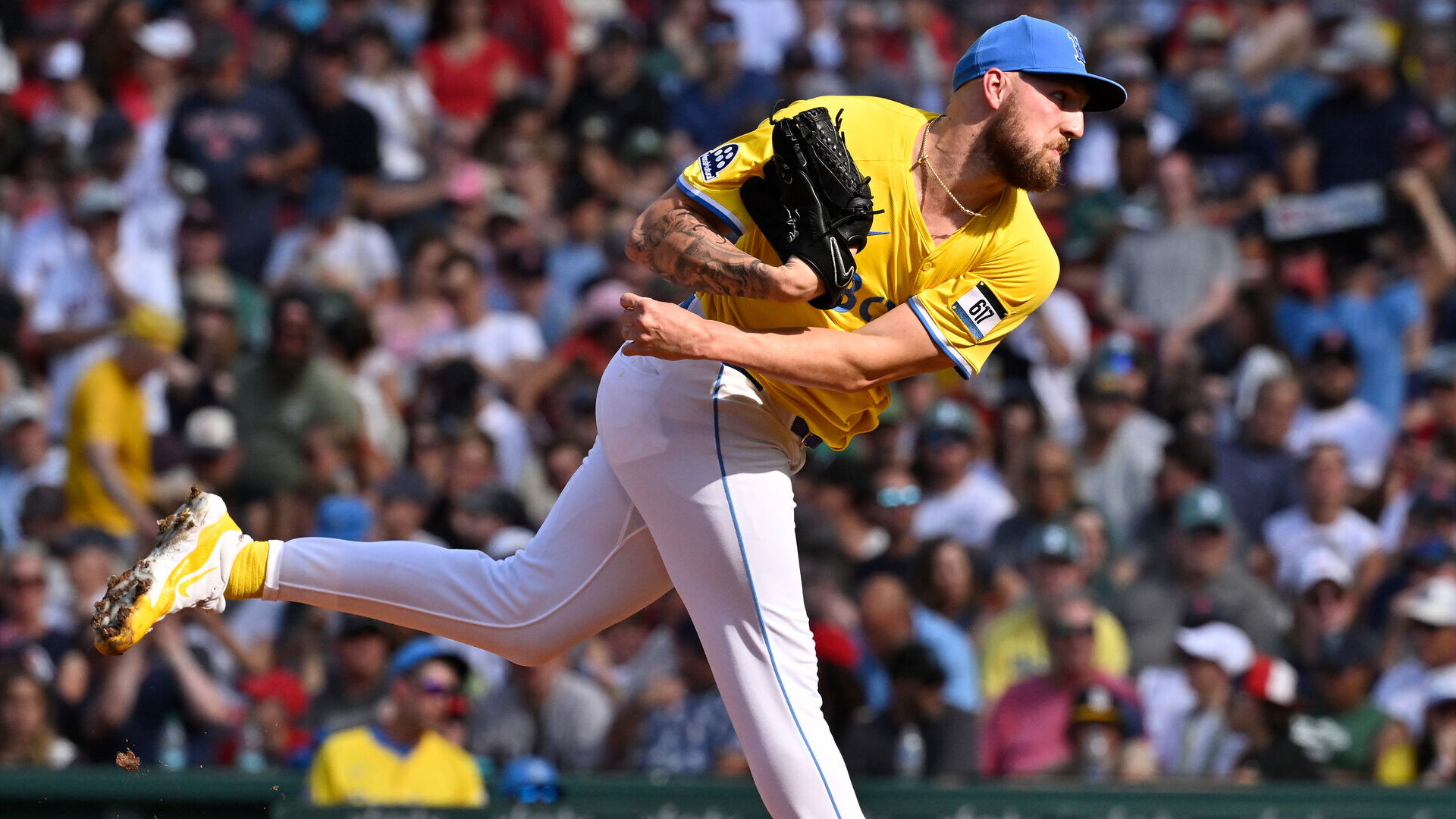
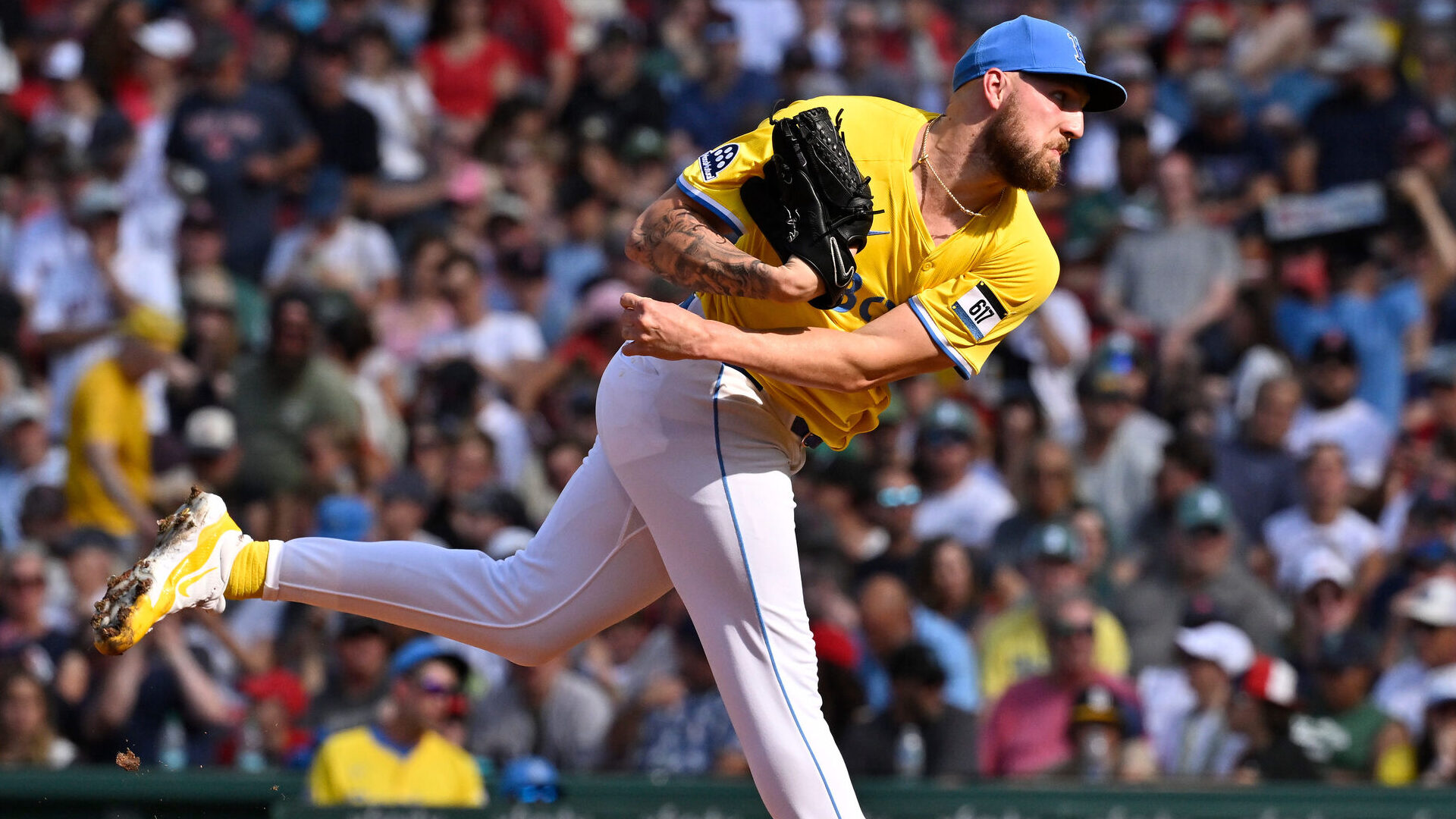
The sports media landscape has evolved into an incredibly intricate system where national broadcasting, team dynamics, and the art of commentary intersect with legal matters that are both fascinating and highly disputable. In the wake of events like Boston Red Sox starter Garrett Crochet’s recent outing—broadcast live on FOX—questions arise concerning not only the performance on the field but also the way in which media coverage, contract arrangements, and team communications are managed and critiqued. This piece examines the legal angles underpinning such incidents, offering an opinionated yet neutral look at the arena of sports broadcasting.
At first glance, a pitcher giving up two early home runs on national television might seem like a simple story of athletic performance. However, when we start to dig into the commentary made during and after the broadcast, particularly Crochet’s own remarks about his pitching, we find a labyrinth of legal and ethical issues. These issues affect not just the player or the team, but also the relationships between broadcasters, sponsors, and fans. The interplay of these components creates a scenario loaded with tricky parts, tangled issues, and fine points that require a careful discussion.
Player Critique and Media Feedback: A Legal Perspective
Player commentary following national broadcasts can swiftly turn into a legal minefield. Garrett Crochet’s self-critical remarks—such as noting his “two bad pitches” that were replayed numerous times—raise critical questions about how players communicate their performance and how those communications might be used in legal or contractual disputes. Such statements may seem harmless and introspective, yet they have the potential to impact future negotiations, sponsorship obligations, and even defamation issues if taken out of context.
Understanding the Impact of Self-Criticism on Contractual Obligations
In professional sports, players are often under contractually bound expectations regarding conduct both on and off the field. When a player publicly admits a flaw in his performance, as Crochet did, the following bullet points outline some of the potential legal pitfalls:
- Performance Clauses: Many contracts have clauses tied to on-field performance. Self-critique could inadvertently be construed as an acknowledgement of failure to meet certain benchmarks.
- Sponsorship Agreements: Public statements might influence sponsor perceptions. A negative broadcast could put pressure on sponsorship deals, where advertisers expect their brand to be associated with peak performance.
- Media Rights and Image Use: Broadcasters and teams often hold rights concerning the depiction of players. When a player criticizes his own performance, teams and networks need to manage the narrative to prevent potential breaches of image rights.
These are some of the subtle parts in the contractual relationships between players, teams, and the media. It is essential for all parties to find a way to address these small distinctions in expectations and communications so that the interests of everyone involved are protected.
Balancing Honesty and Public Relations in the Sports Arena
While players are encouraged—and perhaps even expected—to be candid about their gameplay, public displays of vulnerability can come with unforeseen consequences. Broadcasting companies, media outlets, and team management must carefully balance the need for transparency with the potential for long-term reputational harm. When a player’s comments are played repeatedly on national TV, as was the case with Crochet, they can become a focal point for criticism, adding a layer of pressure that is both challenging and nerve-racking.
This situation makes us ponder whether legal advisors for players and teams should work more closely with public relations experts to craft responses that protect against negative interpretations. The intersections of media bias, performance critique, and legal obligations in sports are not only complex but also dynamic, requiring constant vigilance and flexibility.
Broadcasting Agreements in Professional Sports Law
The legal agreements between teams, players, broadcasters, and sponsors are often as tangled as the on-field play during a high-stakes game. National broadcasts serve as both a celebration of athletic prowess and a platform that enforces expectations. A game broadcast on FOX, which attracts millions of viewers, greatly intensifies the scrutiny placed on a player’s performance. This amplified visibility leads us to consider several key issues concerning broadcasting agreements.
Contractual Safeguards and Broadcaster Rights
Broadcasting contracts are full of tricky parts that require careful interpretation. They serve to protect the rights of both the team and the broadcaster, while also setting the stage for how content is presented and critiqued publicly. Here are several bullet points that summarize what’s at stake:
- Exclusivity and Content Rights: Broadcasters secure the exclusive rights to air games, meaning that every moment—from triumphs to mistakes—is under intense scrutiny. Any player-related controversies can have cascading effects on future negotiations.
- Image Control: Teams and broadcasters work meticulously to maintain a positive narrative. However, unscripted player commentary that reveals vulnerability may disrupt a curated image that is crucial to ensuring favorable contract renegotiations.
- Sponsorship Leverage: Networks and teams often rely on sponsorships that are contingent on maintaining a particular image. Disruptions caused by repeated replays of poor performance could potentially jeopardize these relationships.
These points underscore the need for drafting contracts with clear guidelines, making it super important for legal advisors to consider every little twist when negotiating such agreements. It demonstrates that the legal language surrounding broadcasting is among the most challenging of all in professional sports.
How National Exposure Amplifies Legal Risks
National broadcasts, especially on reputable channels like FOX, carry an added risk of public misinterpretation. When a player’s misstep is shown to millions, as with Crochet’s initial performance against the Dodgers, the commentary can take on a life of its own. In this scenario, several legal risks come into focus:
- Defamation and Libel: Misinterpretations or overly aggressive critiques made by sports analysts might border on defamation if they propagate false narratives about a player’s health, ability, or temperament.
- Reputational Damage: The repeated airing of a suboptimal performance can harm a player’s public image, potentially leading to breaches of contract if sponsors or teams decide to sever ties based on reputation concerns.
- Media Bias and Accountability: The way sports broadcasts are edited can inadvertently create bias. Legal action may be considered if the editing is proven to be manipulative or one-sided.
These subtle details reveal the hidden challenges faced by everyone involved. Legal teams must work diligently to ensure that any potential legal exposure is minimized. The task goes far beyond the traditional roles of sports management, requiring a team of lawyers, PR specialists, and sports analysts to figure a path through these small twists.
Team Communications, Internal Policies, and Legal Considerations
The situation experienced by the Boston Red Sox illustrates the importance of robust internal communication and well-defined policies governing public statements. When a player like Crochet publicly criticizes his own performance, it raises significant legal and operational issues within a team structure.
Establishing Clear Communication Protocols
Teams must set internal policies that dictate how players can discuss their performance, both on and off the field. This is especially important when national broadcasts are involved. For team lawyers and management, taking a closer look at these matters – the delicate balance between honesty and the need to protect the organization’s legal interests – is essential. Consider the following key points:
- Media Training: Teams should invest in media training to help players express their thoughts while safeguarding sensitive information.
- Internal Review Processes: Before any commentary is released to the public, having an internal review system can help mitigate unintended repercussions.
- Legal Safeguards: Contracts should clearly outline what constitutes acceptable commentary and specify clauses that protect both the player and the organization.
These points are central when coping with the inevitable overlap of sports performance and public statements. By implementing well-thought-out policies, teams can steer through these tricky parts more effectively.
Comparing Internal Team Approach Versus Public Broadcast Narratives
There is a noticeable difference between the internal communications within a sports team and the narrative that is presented on national broadcasts. Inside the team environment, performance issues are often addressed with careful consideration of long-term strategy and player development. In contrast, national broadcasts prioritize viewer engagement and real-time analysis, which can sometimes lead to a portrayal that seems off-putting or overly harsh.
This divergence can lead to legal complications if a player feels that the public narrative misrepresents internal realities or puts undue pressure on them. Team management must ensure that there is a seamless dialogue between what is addressed internally and what is presented to the public, minimizing potential legal tensions that may arise from conflicting narratives.
Media Bias, Fairness, and Legal Accountability
The role of broadcast media in shaping public perception cannot be overstated, particularly in high-stakes professional sports. When broadcasters choose to highlight certain moments—such as the repeated replays of Crochet’s missteps—it raises significant questions about fairness and the potential for biased coverage. Such selective broadcasting practices could be interpreted as having legal ramifications, especially if they affect contract negotiations or damage the reputation of the individuals involved.
Evaluating the Role of Editors and Analysts
Editors and analysts on major networks have a responsibility to balance storytelling with fairness. When crafted poorly, a narrative that emphasizes mistakes can lead to perceptions of bias that are both intimidating and problematic. The problem is magnified when the commentary indirectly influences public opinion or the decisions of relevant sponsors and stakeholders.
A table summarizing these issues can be useful for understanding the finer points:
| Aspect of Broadcasting | Potential Legal Implications | Key Considerations |
|---|---|---|
| Selective Replays | Reputation damage, defamation | Ensure balanced coverage |
| Commentary Tone | Potential bias influencing contractual negotiations | Maintain neutrality |
| Editing Choices | Defamation risks, misrepresentation | Adhere to fair use principles |
This table illustrates that even small decisions made during editing and commentary can have far-reaching effects, impacting not only how a player is perceived by the public but also influencing subsequent legal proceedings or contractual decisions.
Legal Recourse and the Role of the Courts
When media bias crosses the line from poor editorial judgment to legal injury, the courts may become the arena where issues are finally resolved. Defamation laws, rights to fair representation, and contractual obligations frequently intersect in sports law. One must consider the following legal pathways:
- Defamation Claims: If a player or team can prove that biased commentary has caused quantifiable harm, defamation claims may be filed against the broadcaster.
- Contractual Disputes: Misrepresentation in public broadcasts might lead to clauses being debated or invoked, potentially affecting future contracts.
- Regulatory Oversight: Sports leagues often have regulatory bodies that can impose penalties or mandate reviews if it’s determined that media practices breach agreed standards.
Analyzing these options reveals that the legal system often has to work through the ambiguous and sometimes overwhelming twists and turns of sports media. The hidden complexities of each case remind us that every commentator, broadcaster, and editor should approach their trade with mindfulness of the potential legal fallout.
Impacts of National Broadcasts on Player Reputation and Contract Negotiations
In the world of professional sports, reputation is an asset that can greatly influence contract negotiations, sponsorship deals, and future career opportunities. National broadcasts hold a mirror to each player’s performance under the harshest light, and this transparently public scrutiny can affect negotiations in ways that are both subtle and significant.
The Financial Consequences of Negative Publicity
Whenever a player’s performance is repeatedly highlighted for its negative aspects, as seen when FOX looped Crochet’s two poor pitches, there is a tangible impact on their marketability. Here are some of the key points to consider:
- Sponsorship Deals: Negative exposure can lead sponsors to reconsider their financial commitments if they believe the brand association is no longer beneficial.
- Contract Renewals: Teams might use such high-profile missteps as leverage during contract renewals, arguing that performance declines justify salary adjustments or even roster changes.
- Market Value: A player’s overall market value can drop if repeated broadcasts contribute to a widely accepted notion that there are underlying performance issues.
These problematic issues are not isolated incidents; they ripple through the financial ecosystem of sports. Legal advisors often caution that contract negotiations—already a nerve-racking affair for many players—must take these public perceptions into account. The discussion could become even more off-putting when historical performance data is paired with harsh media narratives.
How Teams Can Protect Their Own Interests
Just as players must be cautious with their public statements, teams also have a responsibility to manage the legal risks associated with televised mishaps. Sports organizations can take several steps to shield themselves from potential fallout:
- Robust Media Policies: Drafting internal guidelines for media communication can help ensure that any commentary remains in line with overall brand strategy.
- Proactive Public Relations: Investing in a proactive public relations strategy can mitigate the damage of negative broadcasts, offering alternative narratives that highlight overall team performance and potential.
- Legal Preparedness: Engaging legal counsel with sports media expertise ensures that any anticipated fallout from broadcast decisions is managed in accordance with both league regulations and broader legal standards.
In essence, teams must find their way through these legal challenges by creating a framework that protects not only the players but also the organization as a whole, ensuring that every broadcast, even a negative one, is seen as a stepping stone rather than a final judgment.
Consumer Reactions and Their Influence on Sports Media Law
The heated public debates following significant broadcasts serve as a reminder of the power of consumer reaction in shaping legal discourse. Whether it is online commentary, social media backlash, or fan-driven pressures, consumer perceptions have a way of influencing legal action in the realm of sports media.
Social Media and Public Opinion: A Double-Edged Sword
The rise of social media has led to an environment where every broadcast, every comment, and every misstep can be amplified exponentially. For a player like Crochet, whose performance was dissected across multiple platforms, the public opinion that emerges can foster both support and criticism. Here are some aspects to consider:
- Instant Feedback: The digital age allows for immediate and widespread commentary that can thereby impact future contract discussions.
- Accountability in Real Time: The audience holds both players and broadcasters accountable, creating an environment where every slip-up is documented and debated.
- Legal Implications: Fan forums and social media can sometimes propagate false information, leading to potential defamation suits if public figures decide to take legal action.
This rapid feedback loop creates a culture where every small mistake is magnified, and its effects on a player’s reputation can be intense and lasting. As a result, legal teams are now frequently tasked with not only defending contractual agreements but also managing the online narrative that might damage a player’s career.
Regulatory and Legislative Responses to Media Influence
Given the influence of consumer feedback on legal matters, there have been legislative efforts and regulatory reviews aimed at balancing free speech with protection against excessive media bias. Lawmakers and regulatory bodies continuously work to find your way through the following issues:
- Defamation Laws in the Digital Age: Updating defamation laws to suit the digital environment is critical in ensuring fair representation and preventing unwarranted legal action against players or broadcasters for public commentary.
- Sponsorship and Advertising Regulations: Ensuring that contracts between broadcasters and sponsors include provisions that account for the rapid spread of negative publicity can help mitigate long-term financial consequences.
- Transparency in Media Editing: Legislators have begun advocating for clearer guidelines on how sports scenes and commentary should be edited, with an emphasis on maintaining fairness and reducing bias.
These legislative efforts show that the legal system is gradually adapting to the modern media landscape. As these rules solidify, we may see a more transparent environment where the public’s right to comment is balanced by the need to safeguard the reputations and rights of those involved.
Future Legal Developments in Sports Broadcasting
Looking ahead, many experts believe that the legal framework governing sports broadcasting will continue to evolve. With the rapid expansion of streaming services, changes in how media is consumed, and shifting public expectations, new legal challenges are sure to emerge.
Emerging Technologies and Their Legal Repercussions
Technological innovations, such as streaming in 4K, have transformed the experience of watching sports, but they have also added layers of complexity to the legal landscape. As broadcast quality improves and platforms expand, the following points come to light:
- Content Ownership: The rights to the content become increasingly valuable, prompting intricate negotiations over ownership and distribution rights.
- Digital Editing and AI: Advances in digital editing and artificial intelligence could eventually dictate which moments are replayed or emphasized, opening doors for potential disputes about bias and fairness.
- International Regulations: The global reach of modern sports broadcasting means that regulatory standards may vary significantly between regions, creating a patchwork of legal challenges that teams and broadcasters must figure a path through.
These small distinctions highlight that with each technological leap, the legal community must be ready to work through new rules and frameworks that address these advances. Legal professionals are expected to become increasingly involved in every facet of sports broadcasting to ensure that both players and teams are adequately protected.
Contract Innovations and the Role of Legal Advisors
With the heightened exposure provided by national and international broadcasting, contract negotiations are likely to see innovative clauses specifically addressing issues related to media and public commentary. Future contracts might include provisions that offer additional legal protections, such as:
- Media Release Clauses: Clauses which clarify what types of content can be publicly disseminated to prevent misrepresentation.
- Reputation Management Provisions: Terms that ensure a clear process for addressing instances where media bias has adversely affected a player’s or team’s market value.
- Indemnity Agreements: Legal safeguards that protect players and teams from lawsuits arising from biased commentary or misinterpreted public statements.
Such innovations are expected to become super important in the coming years as the gap between live performance and recorded commentary continues to widen. Teams, players, and broadcasters alike may soon find themselves working closely with legal experts to find new ways to manage the public narrative and protect their interests.
Concluding Thoughts on the Legal Side of Sports Media
The case of Garrett Crochet and the ensuing national broadcast serves as a clear reminder of how intertwined sports performance, media practices, and legal frameworks have become. What might seem to be a straightforward instance of an off-day on the mound transforms into a scenario riddled with tension, hidden complexities, and challenging parts for all the stakeholders involved.
From the careful drafting of broadcasting agreements to the painstaking internal review processes and the increasing role of digital technologies, every aspect of sports broadcasting now carries potential legal implications. As teams and players continue to express themselves on national platforms, the legal community must find their way through the maze of contractual obligations, media bias problems, and consumer perceptions—a balancing act that is as fascinating as it is convoluted.
In the end, there is no single answer or simple solution. Instead, what we see is a dynamic environment where legal professionals, sports management, and the media must work together to create a framework that is both fair and adaptive. Whether it is negotiating new contractual terms, managing public relations post-broadcast, or addressing defamation in the digital age, the challenges are many, and they continue to grow alongside the evolution of sports broadcasting.
This opinion piece is a call for all involved—players, teams, broadcasters, and legal advisors—to take a proactive approach toward these issues. By acknowledging the legal significance of every pitch, replay, and comment, we can move toward a future where sports broadcasting is not only entertaining and insightful but also just and balanced from a legal standpoint.
Key Takeaways on Legal Considerations in Sports Broadcasting
To summarize, there are several aspects that require careful attention and legal foresight:
- Player Commentary: Self-critical remarks may have broader contract and reputation implications.
- Broadcast Agreements: Contracts must be clear about image rights, content usage, and editing practices.
- Internal Communication: Robust policies within teams can prevent miscommunication and mitigate public backlash.
- Consumer Influence: Social media and online commentary significantly shape legal outcomes and public perception.
- Future Innovations: Technological advances and global media reach introduce new legal challenges that require adaptable strategies.
Each of these takeaways represents a vital element in shaping the ongoing dialogue between sports culture and legal norms. While the path is loaded with issues and may sometimes feel overwhelming, the joint effort of all parties involved can help ensure that the future of sports broadcasting is governed by fairness, transparency, and robust legal protections.
As we move forward, it is crucial to keep in mind that the law, much like the game itself, is full of twists and turns. The interplay of performance, media, and legal accountability will continue to evolve, and so will the standards that define them. By working through these tangled issues with an eye for balance and fairness, legal practitioners can help create a playing field where both sports and justice thrive.
In conclusion, the case of Garrett Crochet is far more than an isolated incident—it is a microcosm of the current state of sports media law. It reminds us that every moment on the field can have reverberations off it, influencing future negotiations, broadcasting practices, and even legislative responses. The need to find your way through these challenges has never been greater, and it is up to us to sort out the details in a manner that respects the contributions of athletes, the rights of broadcasters, and the expectations of fans.
This editorial is a small step toward a broader discussion—one that invites legal experts, sports enthusiasts, and media professionals alike to dig into the issues at hand. Only by facing these nerve-racking challenges head-on can we hope to achieve a more transparent, accountable, and balanced future in sports broadcasting.
Originally Post From https://nesn.com/2025/07/garrett-crochet-takes-shot-at-national-tv-broadcast/
Read more about this topic at
Guardians starter Luis Ortiz’s suspicious wild pitches …
Pitcher’s Bizarre Pitches Prompt Gambling Investigation …