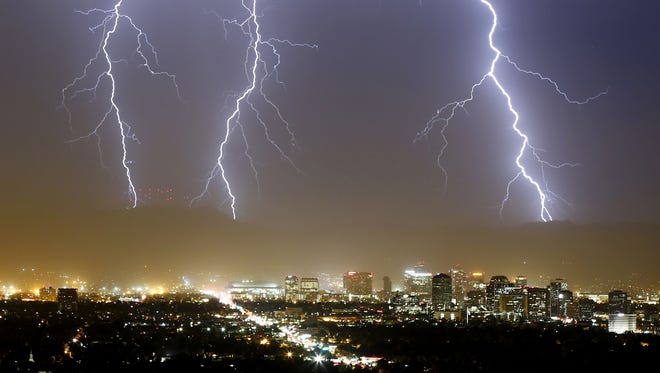

Arizona’s Monsoon Mayhem: An Opinion on the Storms and Media Messaging
The recent barrage of weather alerts across Arizona has sparked a heated discussion about the way we receive and process crucial safety information—particularly as monsoon season makes its dramatic return in our state. As residents brace for unsettling weather conditions including flash floods, thunderstorms, and dust storms, the messages delivered by our local news and National Weather Service are proving to be both informative and, at times, nerve-racking. This opinion piece aims to take a closer look at how these updates are crafted and communicated and to offer an analysis of the public response amid these tricky parts of our daily lives.
In the past few days, the hustle and bustle of alerts—from flash flood warnings in Coconino County to precautionary flood watches in numerous counties—has left many Arizonans trying to figure a path through a maze of warnings and advisories. With weather patterns that are as complicated pieces as they are unpredictable, it is both essential and challenging for local media to relay not just the facts but also the subtle details that can make all the difference between safety and calamity.
Assessing the Situation: The Reality Behind the Alerts
On a seemingly ordinary evening in early September, alert messages began streaming in with warnings of flash floods, thunderstorms, and dust storms for several counties. These warnings, issued by the National Weather Service, carry with them the weight of responsibility and underscore that our unpredictable weather patterns are as off-putting as they are critical to follow. While the language of these alerts is straightforward, the public faces a profusion of confusing bits when trying to connect the dots between multiple warnings spanning from flash flood to flood watch messages across counties including Coconino, Yavapai, and Pinal, among others.
For many, the varied messages issued in rapid succession—from flash warnings on Coconino County’s skies to broader flood watches covering vast regions like the Sonoran Desert National Monument and Southeast Pinal County—can be overwhelming. The abundance of messages raises critical issues around clarity, urgency, public comprehension, and ultimately the effectiveness of our communication systems.
Understanding the Complex Alerts: Details in a Dense Table
To better grasp what is essentially being communicated to the public, let’s break down the core parts of these alerts into a table. This table serves as a summary to help residents quickly figure a path through the multitude of alerts while also underscoring just how extensive and interconnected these weather events can be.
| Alert Type | Affected Areas | Time Frame | Key Precautionary Tips |
|---|---|---|---|
| Flash Flood Warning | Coconino County | 12:09 PM MST to 6:15 PM MST |
|
| Flash Flood Warning | Coconino County | 12:40 PM MST to 3:45 PM MST |
|
| Flood Watch | Multiple counties including Rio Verde/Salt River, San Carlos, and Queen Creek | 12:00 PM MST to Midnight (Various regions) |
|
| Flood Watch | Eastern Cochise County to Tucson Metro Area | 12:00 PM MST to 5:00 PM MST (White Mountains) and extended durations elsewhere |
|
This table is a prime example of how data can be organized to help the public cut through the tangled issues of multiple warnings. Yet, while the red tape of these alerts is necessary, the overabundance of timings, regions, and safety tips can cause residents to miss out on critical facts.
Media’s Critical Role and the Need for Clear Communication
Local news outlets, such as FOX 10 and its counterparts in Los Angeles, San Francisco, and Seattle, bear a heavy responsibility in making complicated pieces of information digestible. The media’s work extends beyond simply relaying the information—they need to work through the fine points and humanize tragedies behind the weather events while also providing safety information in a way that is relatable and practical.
For instance, FOX 10’s deployment of detailed coverage—featuring storm-tracking reports, live weather apps, and on-ground interviews—has proven both informative and, at times, nerve-racking. Observers note that the regular pictorial updates like “Photo of the Day” and behind-the-scenes looks at emergency services can captivate viewers and spur community discussion. Yet, the challenge remains in ensuring that the sporadic alerts and benefits are understood in context, avoiding any sense of panic due to the overwhelming amount of information.
Communication in the Face of Intimidating Weather Conditions
Weather events are inherently unpredictable, and Arizona’s monsoon season has repeatedly proven that even the most advanced forecasting software cannot prevent the nerve-racking spiral of sudden weather changes. The staggering array of alerts—from localized warnings in Coconino County to broad flood watches impacting multiple regions—forces residents to work through each detail to figure out their next steps. Many community members find themselves wrestling with the overwhelming flood of alerts that come too quickly, providing little time to digest what each warning entails.
The language used in these broadcasts is designed to be direct and actionable, and while it typically achieves its goal of alerting the public, it sometimes lacks the warmth or explanations that can help calm anxious minds. In times when every minute counts, understanding the little twists and turns of forecast reports is super important. The true test of these communications lies not in the volume of alerts but in how these alerts encourage and assist residents in making informed decisions.
Weather Warnings and Their Impact on Small Communities
The impact of these storm warnings is not only felt in smartphones and televisions but also in the lives of small communities stretched across the arid landscapes of Arizona. Many rural areas, often left with limited access to high-speed communication services, rely on word-of-mouth and local broadcasts to stay updated. For them, these press releases and live broadcasts become a lifeline, offering both the science behind the warnings and the actionable advice needed to ride out the worst conditions.
Small business owners, parents, outdoor enthusiasts, and local emergency services all have to find their way amid these public service messages. The conversation around these communications extends beyond simple data dissemination—it encompasses a deeper discussion on community resilience and the necessity for clear, jargon-free instructions that help all community members feel included and informed.
Tracking the Monsoon: The Role of Advanced Technology and Human Judgment
In recent years, advanced meteorological technologies have allowed weather services to provide more accurate and timely alerts. Yet, even the most sophisticated data is only as helpful as the human interpretation layered on top of it. While radar images, satellite maps, and hyper-detailed tables (like the one above) do their technical work, they often require human judgment to contextualize the danger and the appropriate responses.
Consider, for example, FOX 10’s localized coverage, which includes not only live updates but also context through interviews with local experts and emergency response teams. This approach, which blends fine points of meteorological data with on-the-ground context, is critical for producing well-rounded opinions on how best to respond. It creates an environment where national weather alerts are meshed with regional insights—a necessary combination during tricky weather events where every small twist might hint at the need for a quick evacuation or a temporary shelter in place.
Public Reaction: The Ups and Downs of Living Under Constant Alerts
For many Arizonans, constant alerts have become a part of everyday life during monsoon season. Although these warnings are unquestionably key to public safety, they also generate feelings of skepticism, anxiety, and sometimes even frustration. On one side, residents appreciate having access to cutting-edge weather forecasting tools and live updates that help them plan their day around the potential disruptions. On the other side, the barrage of notifications can feel like an endless cycle of worry as each new alert adds another nerve-wracking bullet to an already overloaded news cycle.
Critics argue that the rapid-fire nature of these alerts can dilute their effectiveness, making it hard for the average person to figure a path through the overwhelming sea of reminders. The challenge here is to strike a balance between urgency and clarity. Miscommunication, even in the fine points of timing, can result in potentially dangerous consequences if people find themselves either overly complacent or unnecessarily alarmed by the barrage of messages.
Safety First: Practical Steps for Residents
Amid the complex web of warnings and local broadcasts, one thing remains very clear—staying safe during extreme weather events is a community effort. While government agencies and media organizations play a central role in shaping public perception and in providing real-time updates, the ultimate responsibility lies with each individual. With that in mind, here are some key points that residents can consider during monsoon season:
- Stay Connected: Use multiple channels like local TV, radio, and official weather apps to get live updates. Remember that redundancy can help fill in the gaps when one source may not be sufficient.
- Prepare an Emergency Kit: Include items like bottled water, non-perishable food, flashlights, batteries, and a first aid kit. It’s always a good decision to have a backup in place, especially when unpredictable weather is on the horizon.
- Know Your Evacuation Routes: Local emergency management offices provide maps and plans outlining safe routes in case you need to leave during a sudden flash flood. Familiarize yourself with these details ahead of time.
- Secure Important Documents: Store important documents in a safe, waterproof container. In times of extreme weather, ensuring that your identification, insurance, and personal records are safe can save you a lot of hassle down the road.
These practical steps, while seemingly basic, are essential pieces of the larger puzzle of community safety. Combining these measures with timely broadcast advisories can help mitigate the overwhelming impact of severe weather events.
Bridging the Gap: Media, Government, and Community Collaboration
In the midst of these challenges, one key observation stands out—the need for stronger collaboration between media outlets, government agencies, and local communities. When these entities make their way through the tricky parts of crisis communication, the benefits are clear: messages are clearer, public trust grows, and communities are better prepared for when the next storm arrives.
A collaborative model might include:
- Cross-agency coordination to create a unified alert system that minimizes duplicate warnings while maximizing clarity.
- Community outreach programs that educate residents on the meaning behind each alert and the steps they should follow once one is issued.
- Workshops led by meteorological experts and emergency responders to address the complicated pieces of weather forecasting and crisis management.
- Interactive platforms that allow residents to ask questions and get real-time answers during severe weather events.
By fostering an environment where the media and government work hand in hand with community leaders, the public can dig into these restive weather communications with more assurance. Rather than feeling overwhelmed by the numerous alerts that arrive throughout monsoon season, communities can take comfort in a system that makes it easier to find the information that matters most.
Reflecting on the Historical Context of Weather Communications
Weather reporting and emergency communications have come a long way from the days of simple radio bulletins. Today’s digital platforms and sophisticated meteorological models offer unparalleled detail and immediacy. Yet, even with these advancements, there remains a gap between the technical language used by experts and the plain language needed by residents navigating challenging weather conditions.
This historical shift brings with it both opportunities and tangled issues. On the one hand, we have access to fine points and subtle parts of data that were once relegated to academic journals. On the other, this increase in detailed reporting sometimes leaves everyday citizens to steer through a maze of scientific jargon and overlapping alerts. Bridging this gap is essential for both public safety and overall community morale.
Historically, local media like FOX and other regional broadcasters played a pivotal role in ensuring that such critical information was not only available but also understandable. However, the digital age has introduced additional layers of complexity. With updates delivered in real time through social media, mobile apps, and broadcast television, residents now receive weather alerts through an abundance of channels, making cohesive messaging more difficult than ever before.
How Technology Shapes Our Weather Experience
Modern technology isn’t just about offering more data; it’s about making that data accessible in ways that empower individuals to make decisions. With the advent of advanced weather applications, interactive maps, and live-streaming services, residents have a unique opportunity to get into the nitty-gritty of weather patterns without needing a college degree in meteorology.
These tools, however, are only as useful as the way they are integrated into our daily lives. For instance, FOX 10’s weather app is an exemplary model of how technology can aid in crisis communication. The app provides real-time updates, radar maps, and personalized notifications that help users chart their safety plans. Yet, even the best technology can struggle to address the human element: understanding and reassurance during potentially dangerous situations.
It remains super important for broadcasters and weather agencies to continue refining their messages, ensuring that even those unfamiliar with the fine details of meteorological science can take away the critical information they need. The emphasis should be on clarity, brevity, and action-oriented advice that meets the varying needs of a diverse audience spread across urban and rural landscapes.
The Impact on Mental Health and Community Well-Being
In addition to the physical dangers posed by severe weather, there is a growing body of research that highlights the psychological toll of constant crisis communications. The barrage of alerts and urgent messages can create an atmosphere that many describe as overwhelming. The blend of intricate details and rapid-fire updates, while effective for alerting, may also inadvertently contribute to feelings of anxiety and stress among community members.
For individuals and families who have experienced loss or disruption due to past weather events, every new alert can trigger lingering fears and memories of previous tragedies. The media and public officials must bear in mind that their words carry immense power—not just in preventing physical harm, but also in shaping our collective emotional well-being. Balancing the need to deliver urgent news without inciting panic remains a challenging, yet critical, duty.
Community support systems, such as local support groups, counseling services, and neighborhood watch programs, can play a vital role in mitigating these negative effects. By pairing factual information with compassionate communication, local authorities can better ensure that residents feel both protected and understood during hard times.
Lessons Learned: The Future of Monsoon Reporting in Arizona
What can we learn from the current wave of weather updates and alerts in Arizona? The answer is multi-faceted, and the lessons gleaned are as nuanced as the details in every forecast. First, it is clear that the partnership between media, government, and local communities has never been more important. Whether it’s through a carefully organized table of warnings or a heartfelt interview with a local emergency responder, these collaborative efforts are what solidify public trust during trying times.
Looking to the future, there is a pressing need to refine the way we communicate these messages. Some key takeaways for improving future weather reporting and emergency communications include:
- Simplification without Compromise: Striking that balance between thorough reporting and maintaining digestibility is paramount. Every bit of critical advice should be as clear and actionable as possible, minimizing the twisting turns that can muddy understanding.
- Consistency in Messaging: Coordinated efforts to streamline alerts across multiple platforms can help prevent the public from feeling inundated by redundant or contradicting information.
- Enhanced Education: Regular community workshops and online tutorials that break down the fine points of weather data can empower residents to get into the data with confidence. Utilizing plain language and relatable metaphors is key to achieving this.
- Feedback Loops: Establishing avenues for public feedback on alert systems can help agencies refine their approach and ensure that the subtle details of each message are truly understood by the end user.
By integrating these improvements, future weather reporting in Arizona can become a model for nationwide communication and public safety protocols. It is a process of continuous improvement—one that must adapt to both technological advancements and the evolving needs of a diverse population.
Community Voices: Local Reactions and Personal Stories
No discussion about weather communication is complete without acknowledging the voices of those on the front lines. Across neighborhoods in Phoenix, Tucson, and even the more remote corners of our state, individuals have taken to social media and local opinion platforms to share their experiences during previous storms. Their stories are full of both inspiring resilience and cautionary tales.
Many residents have recounted moments when timely alerts allowed them to evacuate just in time, while others have shared how confusing bits of double alert systems led to unnecessary panic. These firsthand accounts are more than just anecdotes—they are valuable feedback that can shape the future of how we take a closer look at emergency communications. Here are a few recurring themes from community feedback:
- The Need for Clear, Step-by-Step Instructions: Residents frequently mention that safety instructions should be presented in a linear, easy-to-follow format. Simple checklists and visuals can make all the difference when time is of the essence.
- Accessible Information for All: Not everyone has constant access to high-speed internet or the latest smartphone. Community leaders have urged that traditional methods, such as local radio bulletins and public announcement systems, remain part of the strategy.
- Humanizing the Alerts: Several locals expressed a desire for more personal stories and testimonials embedded within weather reporting. Knowing that someone else has navigated these tricky circumstances successfully can serve as a powerful motivator.
- Consistency Across Local Jurisdictions: When neighboring counties issue slightly different alerts or use conflicting terminology, it creates tension. Uniform terminology and coordinated messaging are seen as essential for reducing the nerve-racking impact of weather warnings.
These community voices remind us that every alert is more than just a broadcast—it is a lifeline that carries with it hopes, fears, and stories of survival, echoing the diverse tapestry of life in Arizona.
Charting a Way Forward: Policy, Practice, and Public Partnership
The issues raised by the current media and weather communications reveal that we are at a crossroads between tradition and innovation. While there are many tangled issues in refining these systems, the opportunities for improvement are equally clear. Policymakers, weather agencies, and media outlets must come together to design a system that is not only responsive but is also exceptionally tuned to the real-life needs of the population.
Looking ahead, several key policy considerations emerge:
- Standardization of Alerts Across Agencies: This would help reduce the nerves surrounding overlapping and sometimes contradictory warnings. A standardized set of terms and time frames could be agreed upon by both local and national bodies.
- Investment in Public Education Campaigns: With regular, community-focused training sessions and clear, widely available educational materials, residents can get around the tricky aspects of emergency preparedness more efficiently.
- Utilizing Feedback for Continuous Improvement: By creating a feedback channel for the public, agencies can dive in to hear what works and what doesn’t, making real-time adjustments based on community needs.
- Integration of Next-Generation Technologies: Embracing advancements in real-time data processing and predictive modeling can give agencies the upper hand in foreseeing hazards and issuing timely warnings.
Ultimately, the responsibility of working through these challenging circumstances falls to every stakeholder involved. Each must contribute to a system that respects both the small distinctions in weather nanoscience and the emotional textures of public experience during crises.
Bringing It All Together: A Call to Action
As our state navigates another cycle of monsoon storms, it becomes clear that this is more than just another weather event. It is a reminder of the unpredictable nature of our environment and the equally unpredictable twists and turns in how we as a society prepare for them. The media’s duty, as exemplified by detailed broadcasts and organized alerts, is to bridge the gap between raw data and the well-being of the citizens. In doing so, they must ensure that every subtle detail is communicated in a manner that fosters clarity without causing undue alarm.
The interplay between the lightning-fast pace of weather changes and the need for thorough, measured communication is a full-on test of our modern communication systems. It is not just a scientific challenge or a media challenge—it is a human challenge. Each alert, each broadcast, carries with it the tremendous responsibility of safeguarding lives and property, even as our state endures a season known for its intimidating unpredictability.
This call to action is directed at everyone involved—from the meteorologists poring over data to the community leaders rallying local support. The objective is straightforward: ensure that every resident, whether in the urban heart of Phoenix or a remote rural town, has the tools to get around the complicated pieces of modern weather forecasting. There is a need for communication channels that are both robust and soothing, providing the essential information required to make informed decisions in real time.
Final Thoughts: Weathering the Storm Together
In closing, the current monsoon season in Arizona isn’t merely a test of our meteorological capabilities—it is a test of our collective ability to come together in times of crisis. The series of flash flood and flood watch alerts that have come our way are reminders that life in our state is full of unexpected incidents, twisting turns that demand cooperation and careful judgment at every step.
Residents are encouraged to remain vigilant, to pay attention to the live updates provided by their trusted media sources, and to rely on established safety protocols during these hours of uncertainty. At the same time, media outlets and government agencies must continually work to refine their communication strategies so that each alert, each carefully crafted message, not only informs but reassures. The goal is to transform the nerve-racking process of sifting through multiple alerts into a clear, manageable, and ultimately life-saving experience.
As we prepare for more stormy episodes in the weeks ahead, let us remember that the true strength of our community lies in our ability to find our way through the challenges together. In doing so, we can reduce the overwhelming impact of weather alerts and ensure that every resident is empowered with the knowledge they need to stay safe. Whether it’s by streamlining alert systems, investing in public education, or simply waiting for that reassuring broadcast on FOX 10’s weather app, every small step is a must-have part of building a more resilient future.
Now, more than ever, it is clear that working through the messy, intimidating reality of extreme weather requires both excellent technology and a compassionate human touch. With improvements on the horizon and community commitment at our side, we can confidently face the unpredictable nature of Arizona’s monsoon season—together, prepared, and more united than ever.
Originally Post From https://www.fox10phoenix.com/video/1702171
Read more about this topic at
North American Monsoon Hazard Awareness
Baltimore and Maryland Weather Alert