Understanding the Incident: A Startling Encounter on U.S. 60
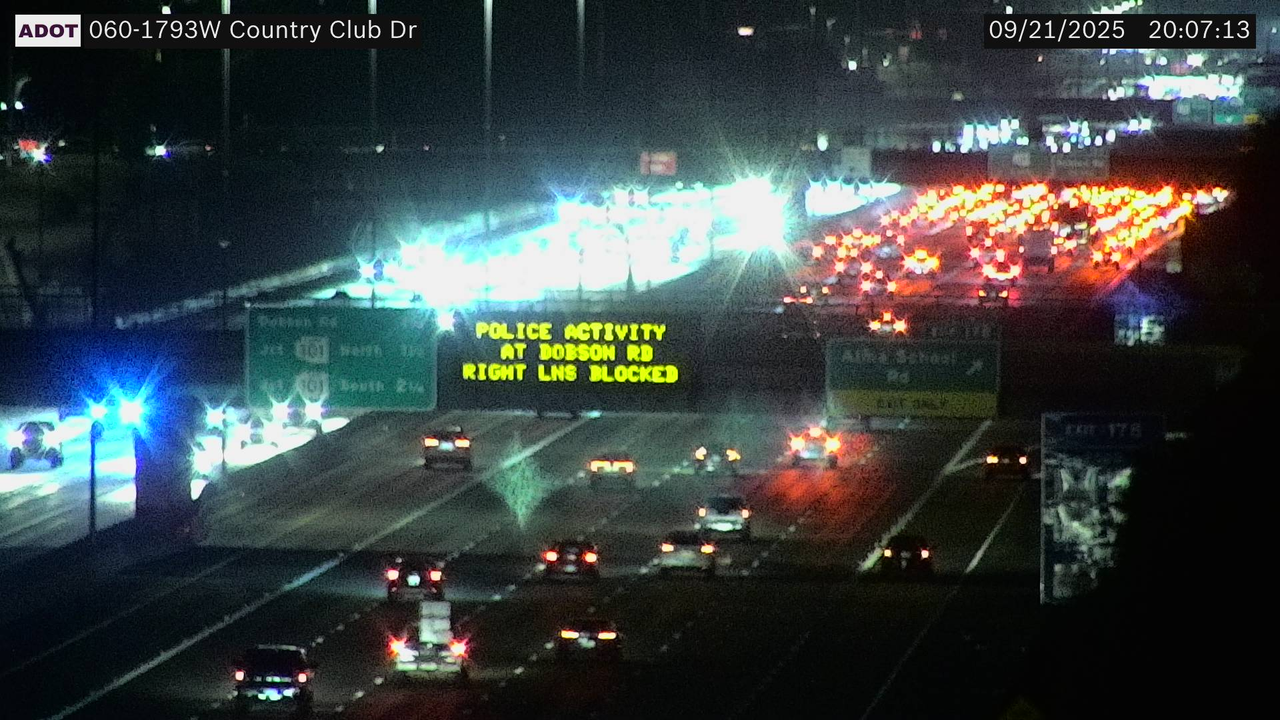
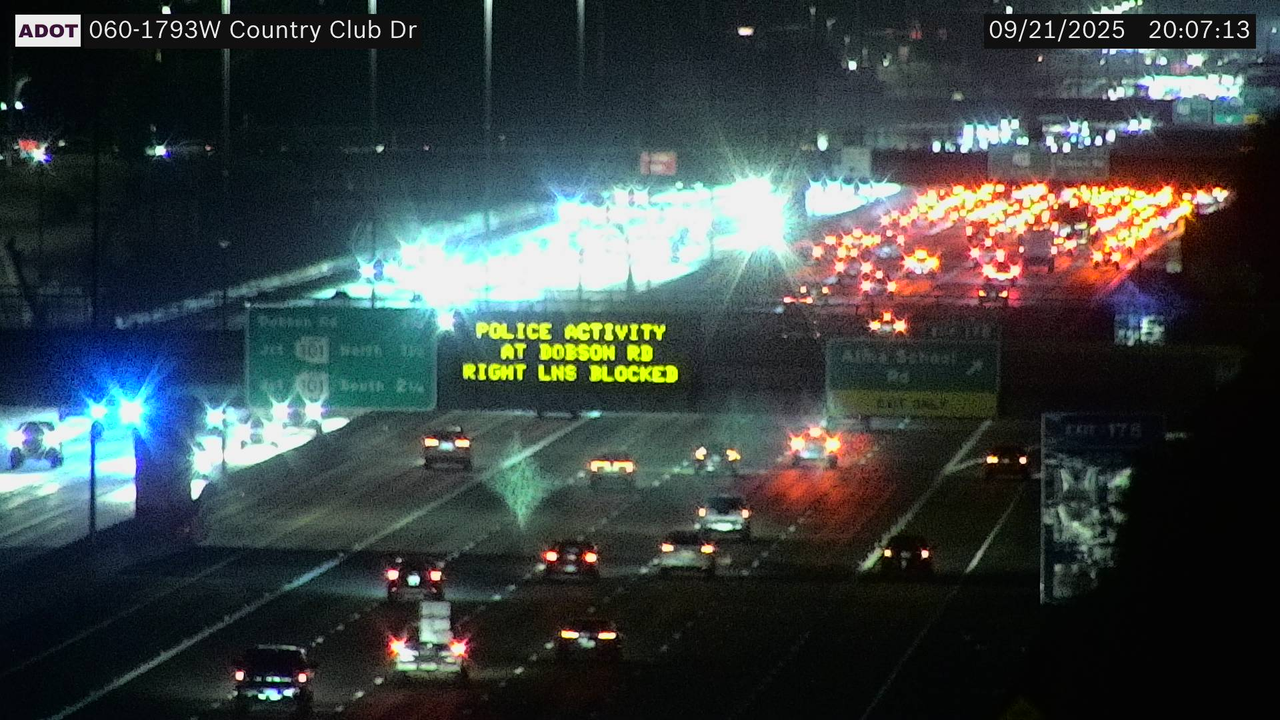
The recent road rage incident on U.S. 60 in Mesa, Arizona, has stirred controversy and raised many questions about public safety, the role of firearms in everyday disputes, and the legal consequences that follow when a convicted felon is involved. On the evening of September 21, a caller reported that a driver in a white BMW aggressively cut off another motorist and, in the ensuing confrontation at a stoplight near Stapley Road, pointed a handgun equipped with a green laser at the victim. This alarming act led to the arrest of 22-year-old Brian Lopez. In this opinion piece, we will take a closer look at the case, examining the legal and social implications while reflecting on the broader issues it represents.
Incidents such as these are not just isolated moments of anger on the highways; they serve as a window into the tricky parts of human behavior, the escalating nature of road rage, and the legal twists and turns that follow when dangerous weapons are involved. By examining both the specific details of this case and the wider context of road safety in our communities, we can better understand how the legal system is challenged by such events and how everyday citizens are left to manage their way through a landscape that can sometimes feel overwhelming and full of problems.
Legal Considerations When a Convicted Felon is Involved in a Road-Rage Incident
This case has drawn attention not only because of its shocking nature but also because the suspect was a convicted felon. This detail adds a layer of complexity that is both intimidating and legally significant. The fact that Brian Lopez, who is barred by law from possessing firearms due to his previous conviction, was caught with a handgun in his vehicle, fuels debates about the enforcement of existing laws and the need for additional checks.
There are several key legal points to consider in such scenarios:
- Enhancement of Sentences: The use of a firearm in combination with road rage can lead to significantly enhanced penalties. This case may result in charges of aggravated assault with a deadly weapon, which carries heavy legal repercussions.
- Background Check Failures: The incident raises important questions about current background check systems. How can someone with a criminal record end up in possession of a firearm?
- Responsibility and Accountability: When a road rage event escalates into a potentially lethal confrontation, it is crucial to determine responsibility and ensure that the perpetrator is held accountable under the full force of the law.
These points illustrate the tangled issues that arise when an individual with a history of criminal activity becomes involved in behavior that endangers others. In addition, they expose the subtle parts of the legal system that policymakers must address to ensure public safety and maintain respect for the rule of law.
Green Laser Handguns and Their Legal Implications
The use of a handgun equipped with a green laser in the Mesa incident adds an extra layer of peculiarity to the story. The inclusion of an accessory like a green laser pointer on a firearm is not common, and it invites us to dig into the various legal and social questions associated with such modifications. Does the additional feature make the weapon more dangerous, or does it serve merely as an intimidation tool?
In situations like this, the legal consequences may include:
- Aggravated Assault Charges: Traditional assault charges can be escalated by the use of a firearm with added accessories, which many legal experts consider a serious aggravating factor.
- Enhanced Legal Scrutiny: Firearms fitted with unusual modifications often draw the attention of specialized law enforcement teams who are tasked with figuring a path through the evidence to determine intent.
- Potential Policy Revisions: Incidents that involve modified firearms can prompt legislators to consider whether current laws are sufficient or if additional restrictions should be imposed on such accessories.
It is essential for legal professionals and lawmakers alike to take a closer look at the fine points of firearm modifications. The use of a green laser is an example of a small distinction that can have a big impact on court proceedings and sentencing, helping to shape the ongoing dialogue about weapons regulations in the community.
Community Reflections on Road Rage and Public Safety
For many local citizens, the Mesa road rage incident is more than just a headline. It provides a glimpse into the small distinctions between everyday driving and dangerous behavior on the road. Many residents are concerned about their ability to feel safe when sharing public highways – especially when incidents like this one cause them to question the effectiveness of current policing methods and the thoroughness of background checks.
In communities like Mesa, road safety is not just about traffic management; it is also about the responsibility of every individual to make their way through life safely. Local citizens may have to sort out a mix of emotions – fear, frustration, and even anger – when they hear about such incidents. Meanwhile, community leaders and law enforcement officials are urged to be proactive in addressing these concerns.
A few points that community members often discuss include:
- Visibility of Police Patrols: Increased police presence and patrols can help deter dangerous behavior on the roads, making drivers feel more secure.
- Public Education and Awareness: Informing citizens about the proper procedures for reporting road rage and dangerous driving can enhance safety for everyone involved.
- Collaborative Initiatives: Working together in community meetings and public safety campaigns, residents can ensure that law enforcement and policymakers are on the same page regarding road safety.
These points serve as a reminder that when we are faced with such nerve-racking and overwhelming incidents, the solution may lie in combining community vigilance with strong legal enforcement. It is a call to find your way through these challenges by relying on coordinated, community-based efforts.
Examining the Police Response and Evidence Collection
In the aftermath of the Mesa incident, the role of law enforcement came under intense scrutiny. Video evidence captured the suspect’s vehicle reentering the freeway and played a significant part in linking the individual to the incident. This emphasizes the importance of good quality evidence in ambiguous situations and underscores the need for detailed documentation when dealing with road rage cases that escalate to criminal levels.
There are at least three considerations when assessing the police response:
- Efficiency in Evidence Collection: The rapid collection of video footage is a reminder of how technology has transformed the methods by which law enforcement manages complex cases.
- Thoroughness of the Investigation: By meticulously examining what happened at the intersection, police were able to determine not only the actions of the suspect but also to verify details such as the presence of the green laser-equipped handgun.
- Legal Process and Fair Trial: Though public opinion is quick to cast judgment, it is important that the full legal process unfolds, giving the accused a chance to respond to the charges in a court of law.
These factors highlight how complex pieces of evidence, together with the careful work of law enforcement, can help resolve even the most tangled issues that arise on busy highways. It serves as a testament to the role of modern technology and judicial diligence in working through situations otherwise fraught with tension.
Challenges in Prosecuting Road Rage Cases
Prosecuting a case that stems from a road rage incident can be a nerve-racking affair for law enforcement and legal practitioners. The courtroom becomes a stage on which every subtle detail – from the verbal exchanges at a stoplight to the decision to brandish a weapon – is examined with a fine-toothed comb. In the Mesa incident, prosecutors face the daunting challenge of proving that the suspect’s actions moved from reckless behavior to a deliberate act of threat using a deadly weapon.
Key challenges faced in such prosecutions include:
- Establishing Intent: One of the trickiest parts is demonstrating that the suspect intended to escalate the situation rather than acting out of momentary panic or self-defense.
- Reliability of Evidence: While video footage plays an essential role in such cases, the interpretation of such visual evidence might present conflicting opinions, making the legal process lengthy and complicated.
- Witness Testimonies: Relying solely on witness statements can lead to biased or unclear interpretations, especially when emotions are running high during road rage incidents.
A table detailing these challenges might help visualize the complexities in prosecuting such cases:
| Challenge | Description |
|---|---|
| Establishing Intent | Determining whether the suspect deliberately aimed to intimidate or if the behavior was a result of a moment of passion. |
| Evidence Reliability | Assessing the accuracy and contextual meaning of visual and audio recordings that capture the incident. |
| Witness Testimonies | Balancing multiple accounts of the same event which can sometimes include conflicting details. |
While there is no easy method to resolve these issues, it is clear that legal teams must take every fine shade of evidence into account. Both the state and defense attorneys work diligently to figure a path through the nitty-gritty details of the case, ensuring that justice is served in a manner that is both fair and transparent.
Policy Implications: Firearms Access and Public Demand for Safety
The Mesa incident brings into sharp focus the broader debate on firearm accessibility, particularly when it involves individuals with prior convictions. Such events underscore the small distinctions between public policy and personal liberties, and they remind us that the legal restrictions on firearms are drawn to prevent exactly these nerve-wracking confrontations on our roads.
Important policy questions raised by this case include:
- Background Check Efficacy: How can existing systems be improved to ensure that individuals with a history of criminal behavior do not obtain weapons?
- Regulation of Modified Firearms: Should there be stricter controls on accessories like green lasers that can enhance the intimidation effect of a weapon?
- Enhanced Penalties: Do the legal consequences for road rage incidents involving firearms need to be reviewed to reflect contemporary realities?
Policymakers are now being called upon to sort out these conflicting demands by crafting reforms that are both effective and acceptable to the public. In the face of nerve-racking incidents like the one in Mesa, it is super important for lawmakers to engage in open dialogue with communities, ensuring that future laws are designed to protect public safety while respecting individual rights.
Community and Victim Perspectives: A Call for Change
From the perspective of victims and the community at large, road rage incidents that involve guns are particularly off-putting. They serve as stark reminders that the roads can be dangerous spaces, filled with complicated pieces of human emotions and unpredictable behavior. For the victim involved in this Mesa incident, the experience was undoubtedly overwhelming, and it highlights the pressing need for both stronger legal action and a community-based approach to preventing similar occurrences.
Community members have voiced their concerns and called for several measures aimed at reducing road rage incidents:
- Increased Surveillance: Installation of more traffic cameras and improved monitoring systems to help catch drivers who engage in dangerous behavior.
- Enhanced Public Reporting Mechanisms: Establishing channels through which citizens can more easily report incidents before they escalate to critical levels.
- Education and Outreach Programs: Initiatives that educate drivers on safe driving techniques and stress management to help avoid tense confrontations on busy roadways.
The subtle parts of these recommended actions reveal that—beyond mere enforcement—there is a need for a comprehensive safety strategy. One that not only punishes but also educates. A combination of stricter regulations and community engagement can help find your way through the challenges presented by road rage, ensuring that the highways remain safe for all users.
Reflection on the Broader Societal Impact of Road Rage Incidents
The Mesa incident is representative of a broader trend that many communities across the United States are grappling with. Road rage, coupled with the easy accessibility of firearms, can lead to confrontations that spiral into dangerous territory in a matter of seconds. While most drivers wish only to reach their destinations safely, the intense pressures of modern life sometimes lead to outbursts that can quickly become off-putting and even catastrophic.
When we take a moment to figure a path through these events, it becomes clear that there are several social consequences to be addressed:
- Mistrust in Public Safety: Frequent incidents of road rage erode public confidence in the systems meant to protect everyday citizens.
- Behavioral Shifts Among Drivers: As news of such events spreads, drivers may become overly cautious or even aggressive themselves, altering the normal flow of traffic.
- Strained Relationships Between Law Enforcement and Communities: Instances that reveal lapses in security or oversight can lead residents to question the capabilities of local law enforcement agencies.
These shifting dynamics call for proactive measures in public policy and community planning. They require that we not only take legal steps against offenders but also address the underlying societal issues that foster such nerve-wracking incidents.
Digging Into the Fine Details: Courtroom Considerations and Future Precedents
Looking ahead, the upcoming legal proceedings in the Mesa case will likely set important precedents for how similar cases are treated. The courtroom will have to sort out small distinctions between what might have been a momentary lapse in judgment and a calculated decision to use a weapon as a means of intimidation. Every subtle detail – from the accused’s past criminal record to the technical specifications of the green laser used on the handgun – will be scrutinized heavily.
Legal experts suggest that several factors will influence the outcome:
- Precedent in Firearm-Related Road Rage Cases: How previous cases have been judged may serve as a guide for charging and sentencing the defendant in Mesa.
- Degree of Threat Perceived: The court will have to assess whether the gun was used to genuinely threaten life or if it was a tool to escalate a verbal confrontation.
- Mitigating Circumstances: Any evidence that suggests the suspect acted out of fear or was experiencing personal distress might influence the court’s decision, even though it does not excuse the action.
These factors, considered together, highlight thely nerve-wracking task faced by the legal system. It must balance the need for justice against the context of human fallibility – ensuring that the punishment fits not only the crime but also the intricate context in which it occurred. In doing so, the courts have a responsibility to teach society about the powerful consequences of escalating small confrontations into acts that threaten public safety.
Managing Your Way Through Changing Legal Landscapes in Arizona
For residents of Arizona, the intersection of state law and evolving societal issues is both challenging and stimulating. Recent road incidents have sparked debates on better monitoring, stricter enforcement of gun laws, and more accessible legal avenues for addressing grievances. As officials and lawmakers work through these tangled issues, there lies an opportunity to take a closer look at how communities can work together to steer through the delicate balance between individual rights and collective safety.
Several strategies are emerging in response to these challenges:
- Community-Driven Initiatives: Collaborative efforts between law enforcement agencies and local residents can help set up neighborhood watch programs and regular public safety forums.
- Revised Road Safety Policies: Discussions at the county and state levels are focusing on reforms that include more detailed background checks and smarter surveillance measures at known trouble spots.
- Focused Legal Seminars: Educating the public about legal rights and responsibilities when it comes to both driving and firearm possession can empower individuals to make safer choices on the road.
These strategies embody the idea of managing your way through a legal landscape that is continually evolving. By being engaged and proactive, communities can help reduce the frequency of nerve-wracking incidents and build a culture of responsibility and trust.
Comparing Road Rage Legislation Across States
It is useful to compare the situation in Arizona to how other states handle similar incidents. While every state has its own approach to aspects such as background checks, penalties for armed road rage, and police response protocols, there are key lessons to be learned by examining these varying methodologies.
Some states have implemented measures that include:
- Enhanced Penalties for Use of Firearms: Some jurisdictions impose mandatory minimum sentences when guns are involved in road rage incidents, reflecting a zero-tolerance approach to such behavior.
- Strict Licensing and Renewal Processes: Enhanced scrutiny during the licensing process prevents individuals with questionable histories from obtaining weapons.
- Integrated Technology in Traffic Monitoring: The use of real-time surveillance systems not only helps in collecting evidence but also in deterring potential offenders before an incident escalates.
By looking at these examples, legal experts suggest that Arizona might benefit from adopting similar measures. The subtle parts of statewide legislation – the little twists and slight differences in approach – may well be the determinant factors that lead to safer roadways and a more harmonious public environment.
Toward a Safer Future: Recommendations for Policy and Public Action
The Mesa incident is a wake-up call for policymakers, law enforcement, and community leaders alike. As we look forward, it is essential to take a multi-faceted approach that addresses both immediate safety concerns and the underlying issues that contribute to these nerve-wracking events.
Here are some recommendations for improving overall safety and legal responsiveness:
- Stricter Enforcement of Firearm Laws: Immediate measures should be taken to ensure that individuals with a history of violent behavior or felonies are not able to legally possess a weapon.
- Enhanced Training for Law Enforcement: Officers should receive specialized training in dealing with volatile road rage incidents, including the safe collection of evidence and effective de-escalation techniques.
- Community Outreach and Education: Local governments should sponsor workshops that teach drivers about conflict resolution techniques and encourage peaceful interactions on the road.
- Investment in Traffic Safety Infrastructure: Better road signage, increased lighting at intersections, and more comprehensive surveillance systems can help prevent incidents before they occur.
These recommendations represent a balanced approach, one that encourages public engagement while ensuring that the legal framework is robust enough to handle challenging cases. The goal is not simply to respond to incidents after they occur, but to put in place measures that prevent them from happening in the first place.
Reflecting on the Societal Impact of Road Rage and Gun Possession
The emotional and psychological toll of road rage incidents cannot be understated. Victims of such encounters, as well as witnesses, often experience lasting stress and anxiety, leading many to question not only the safety of our highways but also the broader societal values that allow these occurrences to happen.
It is important to pick apart the human elements associated with these events. Consider the following aspects:
- Emotional Trauma: A sudden, off-putting act of intimidation using a firearm can leave lasting impressions on both the direct victim and bystanders.
- Trust in the Justice System: When the public perceives that dangerous individuals are not adequately kept off the roads, trust in law enforcement may diminish.
- Social Division: Incidents that have high visibility in the media can polarize communities, generating heated debates about gun rights, public safety, and individual freedoms.
Recognizing these factors is a must-have part of any discussion on public safety. When communities and authorities work together to address both the hidden complexities of legislation and the immediate concerns of personal security, society stands a better chance of finding its way through the challenging moments that threaten to tear the social fabric apart.
The Role of Media Coverage and Public Opinion
Media coverage plays a critical role in shaping public opinion about cases like the Mesa road rage incident. Every time an incident is reported in detail, it forces policymakers and community members to get into a dialogue about how best to manage similar events in the future. This influence is two-fold:
- Raising Awareness: Detailed reporting helps the public understand the full picture, from the moment of confrontation to the legal procedures that follow.
- Encouraging Accountability: Media scrutiny can lead to greater accountability in law enforcement and prompt legislative reviews, ensuring that similar incidents are less likely to recur.
By providing balanced, comprehensive coverage, the media can assist in steering through the trickier parts of public debate – transforming raw emotion and outrage into constructive pathways for reform. However, it is essential for all parties involved to stress neutrality in such discussions, ensuring that policies are based on objective analysis rather than sensationalism.
Looking Ahead: Building a Safer Road Environment in Arizona
Ultimately, the Mesa incident compels us to take a broader look at road safety, legal accountability, and the unique challenges presented when firearms are involved. By piecing together the evidence, both tangible and social, we begin to understand that improving public safety is a multifaceted task. It requires:
- Community engagement and education on responsible driving practices.
- Stricter enforcement of laws designed to keep weapons away from those who should not have them.
- Ongoing legislative reassessment to keep pace with changing societal norms and technological advancements in evidence collection.
It is encouraging to see that local law enforcement and community leaders are already discussing measures to address these small distinctions in road behavior and law enforcement practices. By taking responsibility for both their actions and the implications they carry in the wider community, incidents like the one on U.S. 60 serve as both a warning and a call to action.
Closing Thoughts: The Path Forward
In our reflections on this discouraging incident, we must recognize that the legal system, though sometimes tangled with confusing bits and nerve-racking cases, remains our best mechanism for ensuring justice on the roads. The Mesa road rage confrontation underscores the need for shared responsibility – from individuals on the road to the lawmakers and law enforcement officers tasked with keeping public spaces safe.
As we move forward, the following key ideas should guide both public sentiment and policy:
- Effective Law Enforcement: By ensuring that officers are well-equipped with both technology and training, we can help deter dangerous behavior and achieve a fair, transparent judicial process.
- Policy Reforms: It is critical to re-examine existing laws related to firearm ownership, especially for individuals with a criminal background, to prevent similar incidents in the future.
- Community Unity: Encouraging connections between residents and officials will lead to proactive measures that reduce the prevalence of road rage and other public disturbances.
Each of these points represents a step toward finding your way through a legal landscape that is continuously evolving, demanding that every stakeholder—whether a community member or a state official—takes the wheel in creating safer roads. While the path forward may be riddled with tension and full of problems, collective action rooted in a desire for lasting change can guide us through even the most intimidating challenges.
Final Reflections
The Mesa incident, while deeply troubling, is not an isolated event. Rather, it is a symptom of broader societal issues involving road rage, firearm accessibility, and a legal system tasked with responding to fast-moving, real-life conflicts. To truly address these issues, we must not only react to this singular event but also learn from it, taking the opportunity to work through the subtle parts of the legal, social, and political challenges it presents.
In closing, this incident invites all of us—policy makers, law enforcement professionals, community leaders, and everyday citizens—to commit to finding a balanced solution. One that successfully figures a path through the complicated pieces of our current legal landscape, enhances public safety, and restores the sense of trust that is foundational to our communities.
The time has come to ensure that experiences like those on U.S. 60 are met not only with appropriate legal measures but with a broader societal commitment to dialogue, reform, and proactive community engagement. Only by working together, with vigilance and responsibility, can we turn these nerve-wracking episodes into catalysts for lasting positive change.
As we reflect on this case and its many fine details, let it serve as both a cautionary tale and a call to embrace better practices on our roads and in our legal systems. With a shared commitment to improved safety, accountability, and understanding, we can work through the twists and turns of modern life and ensure that every journey is as secure and as respectful as possible.
Originally Post From https://www.fox10phoenix.com/news/apparent-road-rage-incident-causes-major-backup-mesa-highway
Read more about this topic at
‘You wanna get killed?’ Woman bumps into car at red light …
Woman allegedly pulls gun on family after hit-and-run, man …