Weather and Law in the Arizona Landscape: A Contemporary Opinion
The recent events unfolding across Arizona—ranging from weather-induced cancellations to distressing criminal cases—paint a picture of a state grappling with unpredictable natural elements and challenging legal dilemmas. This op-ed takes a closer look at the situations that have not only disrupted daily life but also highlighted the tricky parts of our legal system and public safety measures. By examining everything from flash floods and event cancellations to searches for missing persons and criminal cases, we can begin to understand how public policy must evolve in response to these tangled issues.
Analyzing Weather-Driven Cancellations in Tempe and Queen Creek
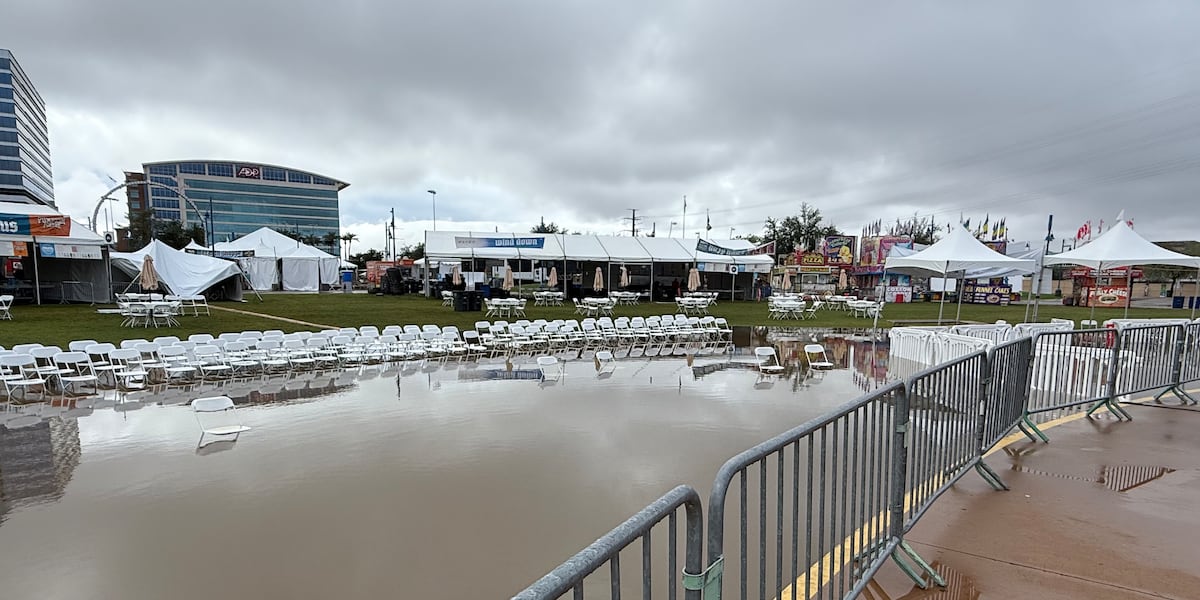
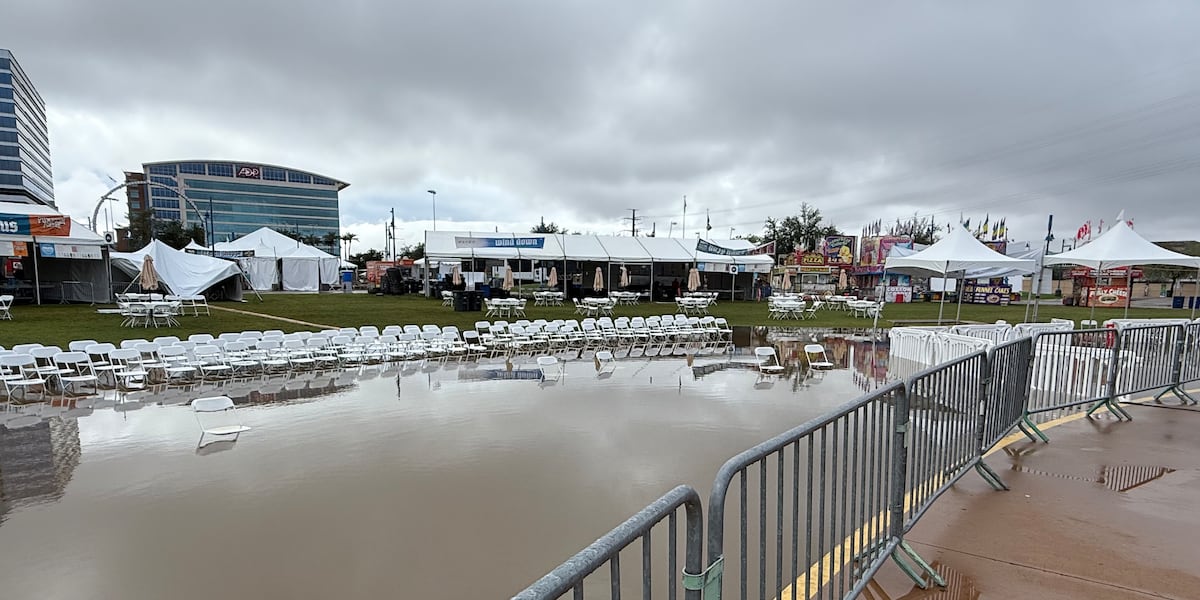
Early morning rain in the East Valley forced the cancellation of several popular fall events in Tempe and Queen Creek. While weather alerts and warnings are put in place to ensure public safety, these sudden cancellations also create complicated pieces for event organizers, local businesses, and the community at large.
The administrative teams responsible for public events often find themselves steering through a series of tricky parts when unpredictable weather conditions occur. Organizers must figure a path between prioritizing safety and mitigating financial losses, a balance that is as nerve-racking as it is critical. In facing these off-putting circumstances, urgency and clear communication become must-have elements in crisis response.
Key questions arise in these scenarios: Were the cancellations timely? Could better coordination between meteorological services and event coordinators have minimized the disruptions? Such intricate decision-making processes further expose the small distinctions between reactive policies and proactive planning, making these instances both enlightening and instructive.
Emergency Search and Flood Recovery: Legal and Community Implications
The search for Vince Upton—swept away in a flooded wash near Goodyear—illustrates the overlapping responsibilities of law enforcement, rescue crews, and local government agencies during flash flood emergencies. This episode, charged with both urgency and tension, shines a light on how local authorities get around challenges when everyday safety is suddenly compromised.
Rescue operations during severe weather are full of problems that require a prompt and coordinated approach. Emergency responders must quickly figure a path through the fine points of public safety protocols while managing their resources in an environment that is laden with issues. The search for Upton, now prolonged beyond 24 hours, underscores the essential need for updated technologies, better training, and improved coordination among the various agencies involved.
The legal ramifications in such cases are also significant. When natural disasters occur, the government and emergency services assume a duty of care toward its citizens. Legal experts debate whether authorities have met their responsibilities, especially when life-threatening delays arise. This situation evokes a mix of public scrutiny and judicial inquiry, as the mission to rescue citizens collides with the nerve-wracking realities of flood management.
Managing Traveler Disruptions at Phoenix Sky Harbor: Balancing Safety and Efficiency
Poor weather conditions have led to hundreds of delays at Phoenix Sky Harbor International Airport, leaving travelers stranded and airlines facing operational challenges. Low clouds and severe weather have caused more than 300 delays, a statistic that points to the subtle parts of managing a busy transportation hub during adverse weather.
In this case, airport management, the Federal Aviation Administration, and airlines must work together to ensure that safety isn’t compromised while also finding efficient workarounds. The slight differences in weather forecasts and real-time conditions can lead to a domino effect of rescheduling and passenger frustration. Airport authorities now find themselves tasked with the off-putting duty of communicating updates effectively, a task which requires both precision and adaptability.
Public safety and legal accountability become intertwined when delays disrupt not only travel plans but also the legal obligations of airlines. Issues such as contractual breaches and duty of care to passengers are at the heart of these disputes. As a result, airlines may face legal liability if they are found to have mismanaged the situation. The evolving discussion here centers on whether current regulations are sufficient to cover these unpredictable twists and turns in the modern aviation industry.
Legal Responsibilities in Environmental Crisis Management
Beyond individual cases of delayed flights or event cancellations, there is a broader conversation about how environmental challenges are reshaping legal responsibilities. In instances of severe flooding or extreme weather, local and state authorities must make rapid decisions that affect public safety. These decisions come with tangled issues that are loaded with tension and legal risk.
There is a growing call for transparent communication regarding the fine points of environmental and legal policy. Citizens, businesses, and local organizations all need a clearer understanding of how decisions are made in response to severe weather. For example, when evacuation orders are implemented and then later lifted—as seen in Gila County—residents can be left in a state of confusion about the real risks involved. Such instances underscore the importance of managing your way through public safety protocols with a solid, legally backed framework.
Furthermore, policymakers and legal professionals are now looking into whether existing emergency management laws are up to the task. The rapid evolution of our climate means that legal frameworks may quickly become outdated. As public demands for accountability and swift action grow, the legal system must also adapt. This push-and-pull between judicial reform and environmental unpredictability is one of the most nerve-racking aspects of policy-making in our time.
Evaluating the Role of Media in Crisis Reporting
The media’s portrayal of these weather-related disruptions and search and rescue missions plays a critical role in shaping public opinion and political responses. From live coverage of the flood sweeps to detailed reports on airport delays, media outlets act as both informers and watchdogs. Their reports often dig into the messy realities of governmental accountability during crises, bringing both clarity and controversy to the forefront.
However, media coverage can also introduce its own set of confusing bits. Sensational headlines or delays in reporting may sometimes exacerbate an already tense situation, leaving the public with more questions than answers. For instance, concurrent news about unrelated criminal cases—such as the disturbing case of sisters accused of abusing a young girl or violent incidents in Peoria and Chandler—can muddy the waters of public discussion. The challenge for media professionals is to balance the need for rapid reporting with the responsibility to provide nuanced and accurate portrayals.
Journalists must, therefore, work through the subtle parts of differentiating between sensationalism and solid reportage. In a time when public trust in media is at a critical juncture, finding your path to responsible reporting is essential. Only by maintaining objectivity and grounding stories in factual accountability can the media hope to guide public discourse during these challenging times.
Legal Implications of High-Profile Criminal Cases
While it is essential to focus on public safety during weather emergencies, the op-ed cannot overlook the serious legal issues raised by high-profile criminal cases occurring concurrently in Arizona and beyond. Cases such as the charge against a suspect for the fatal shooting in Peoria, or the gruesome details in a stabbing incident in Kansas, have added heavy legal weight to the already burdensome climate of public concern.
These incidents show that the legal system is not insulated from the impact of rapid news cycles and public expectations. When violent crimes occur, the subsequent investigation and judicial proceedings are full of problems that require a deep understanding of both the hidden complexities of criminal behavior and the intricate parts of due process. The balancing act here is delicate and often on edge, prompting discussions about the adequacy of legal safeguards for both victims and perpetrators.
Observers have noted that the guidelines for investigating violent crimes need to be updated and streamlined for the modern era. Flashy media coverage may sometimes undermine the seriousness of these investigations, influencing public opinion and potentially swaying legal judgments before the facts are fully vetted. As a result, legal experts are calling for robust reforms that ensure fair treatment for all involved—even in cases where emotions are high and the stakes are overwhelming.
Community Reactions to Public Safety Measures and Legal Actions
Community sentiment is a powerful force in shaping responses to crises. When public events are abruptly canceled due to heavy rains, or when emergency rescue operations experience delays, the local populace often reacts with a mixture of relief, frustration, and concern. Many community members appreciate the extra caution, yet others feel that such measures can be overly restrictive and can negatively impact their daily routines.
Feedback from community leaders suggests that building a more resilient framework for managing these tricky parts of public safety could benefit everyone. Municipal meetings, public forums, and legal workshops are some of the ways through which communities are taking a closer look at how public safety protocols are implemented and reviewed.
The following bulleted list summarizes some of the recurring themes in community reactions:
- Appreciation for quick action during emergency rescues
- Concerns over the economic impact of event cancellations
- Calls for clearer communication from both authorities and media outlets
- Debates about the proper balance between safety and individual rights
- A desire for more transparent legal frameworks in times of crisis
Each point represents a fine shade of the overall debate, illustrating that while safety is super important, the approaches to ensuring it must be balanced with the needs and rights of individuals. This duality creates a nuanced landscape where every decision has a ripple effect across society.
Legal Reforms and Policy Adjustments for Future Crises
Given the recent string of adverse events, legal experts and policymakers are calling for reforms that address the full spectrum of issues observed in these cases. The overwhelming weather challenges, combined with high-profile criminal cases and public safety lapses, have laid bare the need for comprehensive policy adjustments.
Key areas for reform include:
- Updating emergency management protocols to better handle severe weather
- Enhancing coordination between local, state, and federal agencies during crises
- Establishing clearer guidelines for media coverage to avoid sensationalized reporting
- Revisiting legal standards for determining government liability in public safety failures
These proposals are aimed at smoothing out the little details that often create friction between different branches of government and the public. Lawmakers must not only deal with current unpredictable events but also systematically prepare for future occurrences by ensuring that laws are robust and flexible enough to cover the various angles of public safety and legal responsibility.
Additionally, an interdisciplinary approach that integrates technological advances, community feedback, and expert legal analysis is needed. By assembling a table that highlights key issues and proposed solutions, decision-makers can get a clearer picture of where policy adjustments are most required. The table below outlines some of these points:
| Issue | Current Challenge | Proposed Reform |
|---|---|---|
| Event Cancellations | Sudden cancellations causing economic losses | Better coordination and timely public alerts |
| Emergency Response | Delayed rescue operations during flash floods | Enhanced resource management and updated protocols |
| Travel Disruptions | Hundreds of delays at major airports | Improved weather forecasting integration with operational planning |
| Legal Accountability | Questions about duty of care during emergencies | Clearer legal frameworks and responsibility guidelines |
| Media Reporting | Sensationalism versus factual reporting | Stricter guidelines and balanced coverage standards |
This table captures the fine points of the multi-faceted challenges and serves as a reminder that no single agency can find your way through these issues in isolation. Instead, a collaborative and transparent effort is required, one that takes into account the subtle parts of every detail involved.
Looking at the Broader Impact on Public Trust in Institutions
The ongoing challenges brought about by severe weather, public safety mishaps, and high-profile criminal cases have left many citizens questioning the reliability of their institutions. It is a tricky situation where public trust is constantly tested by the unpredictable nature of natural disasters and the sometimes off-putting speed of legal proceedings.
Trust in public institutions hinges on consistent action and open communication. Residents want to see that their leaders are not only capable of managing emergency situations but are also committed to making the necessary reforms to prevent such crises in the future. When policies are seen as outdated or when communication is unclear, citizens may feel that the system is loaded with issues that remain unresolved.
Public pressure is now forcing a re-examination of how institutions respond to crises. This pressure can be constructive if it leads to reforms that bolster government accountability and transparency. However, if the response is patchy or delayed, it adds to the nerve-wracking sense of uncertainty that already plagues many communities.
It is essential, therefore, for our public officials to take a closer look at these patterns. By working through the subtle details of public administration, lawmakers can begin to rebuild trust in a system that many feel has become overly tangled and off-putting in its current state.
Media, Public Opinion, and the Legal System: The Interplay of Multiple Forces
One of the most complex dimensions of the recent events in Arizona is the interplay between media coverage, legal proceedings, and public opinion. The media’s role in highlighting both weather-related emergencies and criminal cases is a double-edged sword. On one side, it ensures that the public is informed; on the other, it may inadvertently stir up tensions by blending unrelated events within the same narrative.
The challenge for everyone involved is to find your way through the small distinctions between informative journalism and sensationalism. For instance, while it is critical to report on the missing person search in Goodyear and the delays at Phoenix Sky Harbor, it is equally important to present these facts in a balanced manner that does not inflame public fears unduly.
The legal system itself is under intense scrutiny as high-profile cases such as abuse allegations and violent criminal incidents come to light. The courts must sort out the evidence with a clear head, focusing on the little twists that differentiate one case from another. Only by taking a closer look at the fine shades of responsibility can fair and effective justice be achieved in these tense situations.
As public debates continue, it becomes clear that effective communication between the media, law enforcement, and the judiciary is super important. All parties must work together to prevent the spread of misinformation while ensuring that justice is served and public safety is maintained.
Conclusions and Calls for Future Action
In reflecting on the past few days of dramatic news—from rain-induced event cancellations and airport delays to high-stakes search and rescue missions and disturbing criminal cases—it is evident that our public institutions face a host of challenging pieces. The legal, environmental, and media landscapes are all intertwined in a way that demands enhanced cooperation and reform.
This op-ed does not offer simple solutions; instead, it calls on policymakers, legal experts, media professionals, and community leaders to take a closer look at the issues at hand and work through the confusing bits together. The need to update emergency protocols, improve communication channels, and clarify legal responsibilities is more nerve-racking now than ever before.
Moving forward, we must remember that every decision made has both immediate and long-lasting impacts on public trust and community safety. Whether it’s ensuring that event cancellations are managed swiftly in the face of unpredictable weather or that rescue operations are adequately resourced and legally protected, our approach to these challenges must be both collaborative and forward-thinking.
The following are some key takeaways for future action:
- Enhanced Interagency Collaboration: Local, state, and federal departments must establish comprehensive communication protocols that allow for swift decision-making during emergencies.
- Transparent Media Practices: Journalists should commit to balanced reporting while avoiding the pitfalls of sensationalism, ensuring that the public receives accurate and actionable information.
- Policy Reforms: Lawmakers should prioritize reviewing and updating legal frameworks related to public safety, environmental management, and crisis response, incorporating lessons learned from recent events.
- Community Engagement: Town hall meetings, public forums, and ongoing education initiatives can empower citizens to actively participate in policy discussions and hold institutions accountable.
- Investment in Technology: Modernizing tools for weather forecasting, emergency response, and legal administration is a must-have component for minimizing delays and enhancing overall safety.
In conclusion, the myriad developments that have recently come to light form a tapestry of challenges and opportunities. While the twists and turns of weather-related incidents and high-profile legal cases may be overwhelming, they also provide a stark reminder of the importance of constant improvement in how we manage public safety and legal accountability.
It is both a legal and moral imperative that as a society we commit to refining our processes, learning from these incidents, and communicating better. The current state of affairs might seem tangled and off-putting, but by working together and making targeted reforms, we can ensure a future where both public safety and the delivery of justice are strengthened in the face of uncertainty.
This op-ed is a call to action for all stakeholders to not only face these challenges head-on but to also turn these problematic episodes into opportunities for significant systemic improvements. Only by addressing every subtle detail—from emergency management to media responsibility—can we hope to build a community that is resilient, informed, and just in the most critical moments.
Originally Post From https://www.azfamily.com/video/2025/10/13/weather-forces-cancellation-tempe-queen-creek-events/
Read more about this topic at
As Extreme Weather Wreaks Havoc Across the Nation, One …
Extreme weather wreaks havoc and claims lives globally.