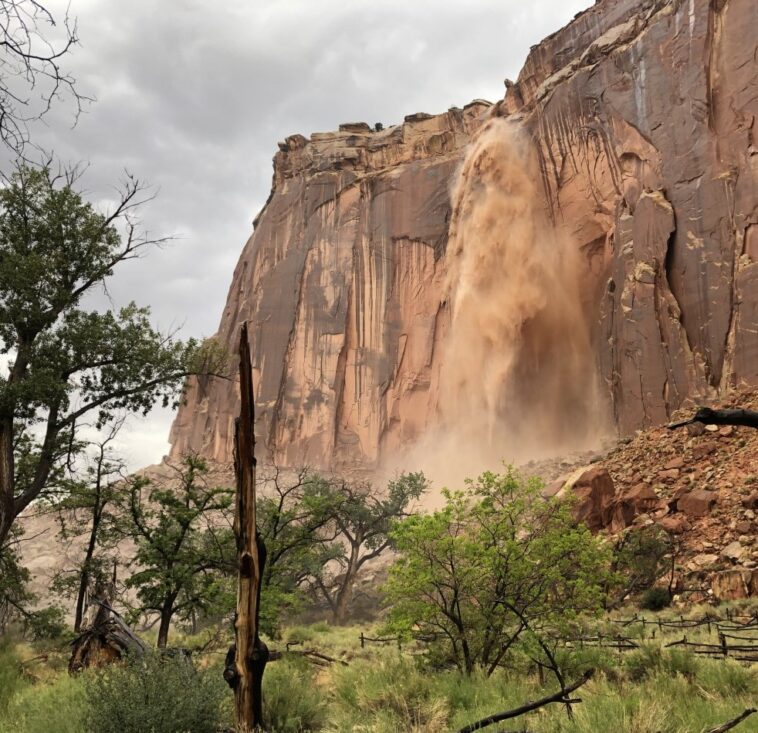

Flash Floods in Capitol Reef National Park: A Closer Look at Nature’s Unpredictable Power
In recent years, the breathtaking yet rugged landscape of Capitol Reef National Park in Utah has drawn visitors from around the world. However, behind its stunning vistas lies an unpredictable force of nature that can turn a day of exploration into a nerve-racking ordeal: flash flooding. This opinion editorial aims to explore the tangled issues surrounding flash floods in the park, discuss the legal considerations tied to emergency management, and offer practical advice for both visitors and park officials when faced with a sudden torrential downpour.
While Utah summers are known for their scorching heat and severely dry conditions, the introduction of sporadic heavy rainfall brings with it the risk of dangerous flash floods. These sudden bursts of water, often triggered by rain high up in the remote catchment areas, underscore the fine balance between the allure of natural beauty and the reality of nature’s unpredictable, intimidating moods.
Understanding the Atmospheric Conditions Leading to Flash Flooding
Capitol Reef National Park, like many attractions in the Southwest, experiences a monsoon season that can catch even the most careful visitor off guard. When rain falls in seemingly isolated areas, its water can gush through narrow canyons and dry washes with a speed that is both overwhelming and intimidating. The park’s geology—with its porous sandstone and rugged terrain—creates conditions that allow water to move rapidly, causing flash floods along areas like the Highway 24 bridge.
Weather forecasters, park officials, and legal experts alike agree that understanding the warning signs and the fine points of these meteorological events is essential. In this context, the park’s superintendent, Cass Bromley, highlighted the importance of keeping an eye on the forecast, especially as local monsoon patterns kick in. His advice points to not only staying informed about weather updates but also to being prepared for the subtle yet critical signs of impending flash floods.
Factors Contributing to Sudden Water Surges
There are several tricky parts that contribute to the rapid onset of flash flooding in Capitol Reef. Some of these factors include:
- Dry Soil Conditions: Extended dry spells can cause the soil to become hydrophobic, meaning that it repels water instead of absorbing it. When heavy rain finally does fall, water instead runs off rapidly, accumulating in deep washes and canyons.
- Topography: The park’s steep and rugged terrain creates narrow channels where water flow can become concentrated, leading to sudden, overwhelming surges.
- Intensity of Rainfall: Even localized, intense rainfall events can be enough to trigger flash floods, even if the rain is not widespread across the entire park.
These factors combine to create a situation that is both unpredictable and, at times, off-putting for visitors who may have come expecting an easy hike rather than a dangerous rush of water.
Legal Perspectives on Park Management During Emergency Situations
The occurrence of flash floods is not only a natural hazard but also an event laden with legal implications. From a legal standpoint, managing flash flood risks in a national park involves balancing the park’s duty of care, visitor responsibilities, and the complexities of public safety laws. Park management must work within a framework of rules designed to ensure that both visitors and park staff are as protected as possible while enjoying the natural beauty of the region.
Lawmakers and legal experts often point out that while nature does not come with a safety manual, the park’s management is responsible for doing its best to warn visitors of the possible dangers, even when those dangers are full of problems and twisted by nature’s unpredictable moods.
Park Liability and the Role of Government
When flash floods occur, questions often arise about legal liability. For example, if a visitor is injured because they did not heed flood warnings, what responsibility does the park hold? At the heart of these issues are several key considerations:
- Duty of Care: The park is expected to provide clear, up-to-date warnings regarding the possibility of flash floods. This duty extends to maintaining alert systems that reach visitors in a timely manner.
- Reasonable Warning: Legal analysts stress that visitors must be informed about the potential risks. However, the legal standard is often whether the warnings provided were reasonable given the unpredictable nature of flash floods.
- Visitor Responsibility: Visitors are encouraged to take personal responsibility for their safety by checking weather forecasts and keeping up with any advisories issued by park officials.
In legal circles, these discussions are not merely academic. They influence policy changes, the formulation of new guidelines for emergency management, and sometimes lead to legislative reforms aimed at refining the responsibilities of federal and state agencies during emergency situations.
Government and Park Management Responsibilities
The government’s role in ensuring public safety in national parks is both critical and complex. Through legislation and active management practices, park administrations receive and act upon data from meteorological experts and local emergency services to protect visitors. Some of the key responsibilities include:
- Real-Time Alert Systems: Implementing systems that can rapidly alert visitors via mobile apps, text messages, and local broadcasts when flash flood conditions are expected.
- Infrastructure Upgrades: Investing in improved signage, safe pathways, and barriers in high-risk areas to help guide visitors away from dangerous paths during flash floods.
- Interagency Collaboration: Working closely with state emergency services and local governments to ensure that park visitors have access to emergency evacuation and rescue services when necessary.
While these measures are key, there are still many little details and subtle parts of the emergency management process that can make a significant difference in outcomes. The balance between ensuring ease of access to nature and protecting lives is one of the most delicate twists and turns in public safety law.
Tourist Responsibilities and the Burden of Caution
For visitors, the responsibility of staying safe in Capitol Reef National Park is just as essential as the park’s duty to manage risks. The legal framework in place does not absolve visitors of their own roles in ensuring their safety. In fact, many legal experts stress that the responsibility is shared—a visitor should always be prepared for the unexpected and follow recommended guidelines.
Tourists are advised to both rely on official warnings and use common sense when exploring remote areas. Although park management does everything they can to provide visible warnings and secure pathways, visitors must also steer through these tricky parts by keeping an active watch on local weather notifications.
Practical Safety Guidelines for Visitors
Given the potential for flash flooding even when the weather appears clear at your current location, here are some common-sense steps and key reminders for staying safe:
- Monitor the Forecast: Before your visit, check reliable weather websites or local news updates for the latest on monsoon conditions and potential flash flood risks.
- Avoid Isolated Areas: Stay away from narrow canyons and dry washes during heavy rain or when flood warnings are issued. Remember that high ground is always safer.
- Plan Your Route: Ensure that your planned hiking or exploration route has alternative paths in case official warnings require a quick change in direction.
- Heed Official Warnings: Follow any instructions issued by park staff, including temporary closures or emergency evacuation routes.
- Carry Communication Tools: In a vast park, your mobile device is key—but remember that reception may not always be available. A portable radio can be a great super important backup.
These practical tips, though simple, are critical for turning a potentially dangerous situation into a manageable one. It is by following these recommendations that visitors can help ensure that their experience at Capitol Reef remains memorable for all the right reasons.
Interpreting Legal Liability in the Wake of Natural Disasters
Following flash flood incidents, several legal implications can arise regarding the interpretation of liability. When nature strikes suddenly, the law must account for both the unpredictable behavior of natural forces and the roles of various stakeholders—visitors, park officials, and even governmental agencies.
Legal discussions in this area often revolve around several key factors:
- Foreseeability and Warning: Was the flash flood predictable, and were the warnings adequate given the weather conditions? Legal assessments often scrutinize these points.
- Response Time and Preparedness: How promptly did park staff activate emergency protocols? The efficiency of emergency response can play a crucial part in determining liability.
- Visitor Actions: Did the visitor ignore clear safety warnings or choose to explore high-risk areas after being alerted to potential dangers?
These elements form the basis upon which legal judgments are made. Judges and legal experts agree that while parks are responsible for providing critical safety information, visitors are also expected to take personal precautions. The legal standard is one of shared responsibility, a balance between proactive management and personal accountability.
Case Studies Illustrating Legal Precedents
While documented court cases specifically involving flash floods in national parks can be limited, similar principles have been observed in natural disaster cases. For example, rulings have taken into account whether sufficient warning was given and whether the park had an effective emergency communication strategy in place. Such case studies highlight the importance of:
- Transparent Communication: Clear dissemination of potential risks can reduce legal ambiguities.
- Robust Infrastructure: Investment in safe walkways, barriers, and signage that are maintained regularly.
- Shared Responsibility: Legal frameworks that confirm that both visitor caution and park management measures are essential for overall safety.
These case studies often serve as key reference points that can help steer legal reforms in the management of natural hazards in national parks.
Government Policies and Public Safety: An Evolving Landscape
The challenges of managing flash floods in areas as rugged as Capitol Reef are not confined to local park policies alone. At the federal level, there is a continuous evolution in the laws and regulations that guide how public lands are managed in the wake of natural disasters. This evolution is driven by a need to get into the nitty-gritty of public safety management while considering the subtle details of natural phenomena.
Government policies in this area are often shaped by the following factors:
- Environmental Regulations: Laws designed to protect both the natural environment and the lives of visitors are regularly updated to reflect current research and technological advancements.
- Technological Investments: Upgrades in early warning systems, monitoring tools, and communication devices are recognized as key to ensuring that the public is informed well in advance of any potential crisis.
- Interagency Collaboration: Successful management of natural disasters typically requires the coordinated efforts of various state, local, and federal agencies. This coordinated response ensures that legal and logistical issues are sorted out efficiently during emergency times.
Government officials must work diligently to balance the competing needs of public access and safety. In doing so, they often face a web of confusing bits and complicated pieces in both legal mandates and on-the-ground execution. The goal is clear: protect lives without unduly limiting access to the natural beauty that defines our national parks.
Enhancing Visitor Education and Communication Strategies
An essential part of ensuring safety in Capitol Reef during flash floods revolves around educating visitors about the risks and legal responsibilities involved in outdoor recreation. There are several key strategies that can help significantly ease the path through these tricky parts:
- Pre-Visit Information Campaigns: Providing detailed safety instructions and weather advisory information on official websites can help visitors plan their trips better.
- On-Site Signage and Alerts: Clear, visible signs and real-time alerts throughout the park can serve as immediate reminders of what to do in the event of a flash flood.
- Workshops and Safety Demonstrations: Occasional safety demonstrations or informational sessions led by park rangers can highlight the fine points of flash flood safety and legal precautions.
- Mobile Applications: The development of user-friendly apps that deliver real-time updates, emergency alerts, and even legal advice or pathways can further empower visitors to make informed decisions.
Each of these strategies helps park visitors find their way through the sometimes-overwhelming legal and physical landscape that characterizes flash flood hazards. By taking a closer look at what works and adapting to new technological advancements, park management can continue to improve communication and education efforts.
Practical Steps for Staying Safe Amid Flash Flood Alerts
Given the inherent risks associated with flash flooding, especially in rugged landscapes like Capitol Reef, practical safety measures for visitors become super important. Whether you’re a seasoned hiker or a casual day-tripper, understanding what to do in a flash flood scenario is critical.
Essential Safety Steps for Visitors
If you find yourself in Capitol Reef during conditions that suggest a possible flash flood, consider the following practical safety advice:
- Stay Informed: Regularly check updated weather sources and heed any alerts issued by park management.
- Prioritize High Ground: Identify areas that are less likely to be flooded and make your way there as soon as flood warnings are issued.
- Avoid Isolated Trails: If you are on a trail, avoid areas near narrow canyons, dry washes, or steep slopes where water may surge unexpectedly.
- Know Your Exits: Familiarize yourself with all available evacuation routes before setting out. Keep a map and a portable power source handy.
- Communicate: Let someone know about your planned route, expected return time, and any changes in the situation.
These practical points not only help in safeguarding individual visitors but also support a collaborative effort between park authorities and the public in managing emergencies.
Table: Quick Reference Flash Flood Safety Checklist
| Step | Action | Notes |
|---|---|---|
| 1 | Check Weather Updates | Use mobile apps or official park websites |
| 2 | Identify Safe Zones | Locate high ground or designated shelters |
| 3 | Avoid Flood-Prone Areas | Steer clear of narrow canyons and dry washes |
| 4 | Follow Official Instructions | Heed any warning signs or ranger announcements |
| 5 | Prepare Emergency Gear | Bring a portable power bank, water, and a first aid kit |
Balancing Enjoyment and Legal Obligations in the Midst of Nature
The experience of touring Capitol Reef National Park is a unique balancing act. On one side is the deeply enriching experience of engaging with nature’s grandeur; on the other side lies a bitter reminder of nature’s uncontrollable forces. Whether through flash floods or other sudden hazards, the park serves as a microcosm of the many little twists and confusing bits inherent in the relationship between the law and the natural world.
For visitors, the legal discussions—and indeed, the legal responsibilities—serve as a gentle reminder that enjoying public lands comes with inherent risks. The law is designed not to deter exploration but to ensure that visitors are aware of ingrained risks and take the necessary steps to stay safe, whether you find yourself in an awe-inspiring canyon or near a suddenly raging stream.
From a broader perspective, these events shed light on the hidden complexities of natural disaster management in a public setting. They challenge both the law and administrative bodies to continually refine their approaches to public safety while simultaneously preserving the spirit of adventure that many visitors cherish.
Key Takeaways for Park Management and Visitors
Summarizing the discussion, here are a few key takeaways that encapsulate the intertwined roles of park management and visitor responsibility:
- Shared Responsibility: Both park authorities and visitors must work together, each taking the steps necessary to minimize risk.
- Proactive Communication: Timely and clear alerts can be the difference between a safe day out and a dangerous mishap.
- Legal Clarity: Ongoing discussions in legal circles underscore the need for transparent policies on liability and emergency management.
- Preparation Is Key: Whether it’s reviewing weather forecasts or familiarizing oneself with park layouts, small proactive actions go a long way.
- Continuous Improvement: As new technologies and legal interpretations evolve, so too must the strategies employed to keep all park visitors safe.
These takeaways not only provide essential guidelines but also frame the discussion in terms of shared obligation. While the park serves as a testament to nature’s raw power, the human response—whether legal, administrative, or personal—continues to evolve with each challenging incident.
Conclusion: Moving Forward in the Wake of Flash Flood Challenges
Capitol Reef National Park stands as a monument to nature’s beauty and unpredictability. The occurrence of flash floods, while rare, is a reminder of the nerve-racking, overwhelming aspects of nature that demand respect and caution. As we take a closer look at the fine points of weather threats, legal responsibilities, and personal safety, it becomes evident that managing these challenges is a collaborative effort.
For park management, the task is to sort out the system of early warnings and emergency protocols while continuously adapting policies based on the latest research and technology. For visitors, the responsibility is to remain vigilant, heed the various safety cues, and figure a path that harmonizes exploration with risk management.
In the end, the interplay between nature’s unpredictable powers and legal obligations creates an environment where shared responsibility is crucial. Both administrators and adventurers must work through the tricky parts of emergency management to ensure that the scenic beauty of Capitol Reef can be enjoyed safely and responsibly.
By approaching these challenges with clear communication, robust legal frameworks, and practical safety measures, we can all contribute to making these stunning natural landscapes safer for everyone. As summer monsoon seasons continue to evolve and as weather patterns remain as tangled and unpredictable as ever, the conversation surrounding flash flood risks will remain full of problems yet essential for public safety.
This ongoing dialogue, filled with subtle details and slight differences in approach, is super important. It not only shapes how emergency situations are handled but also reinforces the enduring connection between the public, the law, and nature. In a place as majestic as Capitol Reef National Park, every new storm is a reminder that we must always be prepared—both legally and practically—to steer through nature’s twists and turns.
Ultimately, whether you are a visitor marveling at awe-inspiring rock formations or a park official tasked with protecting life and property, it is clear that understanding and managing these challenging events demands a comprehensive effort. By combining legal clarity, up-to-date emergency measures, and personal vigilance, we can ensure that the legacy of Capitol Reef remains one of natural wonder rather than avoidable tragedy.
Originally Post From https://www.fox13now.com/news/local-news/southern-utah/flash-flooding-caught-on-video-in-capitol-reef-national-park
Read more about this topic at
Weather Alerts for Houston, Texas
Weather Alerts – Houston