
Introduction: A Shifting Landscape in Public Health
The alarming spike in emergency room visits due to tick bites over the past few years has become a deeply concerning issue for both public health officials and legal experts alike. Recent data from the Centers for Disease Control and Prevention (CDC) shows that tick bite incidents in the Northeast are at their highest since 2019. As more people seek medical attention for tick-related issues, it is essential to take a closer look at the tangled issues posed by these creepy critters, the often intimidating challenges of climate change, and the legal implications arising from the increasing threat to community health.
In this opinion piece, we will dive in to discuss the record-high rates of tick exposures, explore the factors fueling these trends, and examine how our legal framework and preventive measures might need to adapt in the wake of a changing environment. Rather than a dry recitation of statistics, this article attempts to shed light on the subtle details that underpin the current crisis, from local government policies to the brainy, nitty-gritty of public health initiatives.
Record Tick Bite Emergencies: Unpacking the Data and Its Impacts
Understanding the Surge in Tick Bite Incidents
Recent CDC reports indicate that emergency room visits for tick bites have soared, particularly in the Northeast where there were 229 tick bites per 100,000 ER visits in June 2025—showing a sharp increase from 167 visits in the same period last year. This unexpected jump in numbers not only unveils the environmental challenges we face but also brings to light the complicated pieces related to disease transmission, legal liabilities, and community health responsibilities.
The rise of tick bites is interconnected with a host of issues that interact in a web of tangled challenges. As public spaces become more accessible and tick populations swell in number, individuals find themselves at risk of diseases such as Lyme disease, babesiosis, anaplasmosis, and Powassan virus disease. Each of these illnesses brings with it a series of tricky parts that require coordinated treatment efforts—both medically and legally.
Climate Change and Record-High Tick Populations
Experts, including Professor Dennis Bente from the University of Texas Medical Branch, attribute the increased emergency room visits to record-high tick populations and a lengthening tick season. As winters become milder and springs turn wetter due to climate shifts, ticks are now active year-round, rather than being constrained to a predictable seasonal pattern. This extended activity period is causing a cascading effect, not only in public health but also in the way legal regulations must evolve to address new health risks.
Climate change, once considered a distant threat, now affects our daily lives in very real and often nerve-racking ways. The changes in weather patterns have led to what might best be described as a “double whammy” for public health: increased tick populations coupled with longer periods of their activity. These trends pose subtle challenges to existing legal frameworks designed to manage zoonotic diseases and environmental hazards, forcing lawmakers to take a closer look at how quickly they can adapt to these environmental shifts.
Tick-Borne Diseases: The Health and Legal Implications
The Hidden Costs of Tick-Borne Illnesses
Tick-borne diseases such as Lyme disease, babesiosis, and anaplasmosis are known for their complicated pieces—each illness has its own set of symptoms and potential complications. Lyme disease, for instance, can lead to severe neurological and cardiac issues if not treated promptly. Tick-borne infections often require extensive and sometimes nerve-racking treatments, increasing the burden on emergency medical services.
From a legal perspective, the health implications have prompted questions about liability, public policy, and the responsibility of various governmental agencies. As more patients suffer from these diseases, there is a growing call for stricter guidelines and regulations regarding outdoor safety and animal control. The legal system, which is often tasked with resolving disputes and clarifying responsibilities, now faces the challenge of dealing with a scenario loaded with legal issues.
Legal Responsibilities and Government Accountability
Legal experts argue that governments should be on edge over the increasing number of tick-borne illnesses. The law must not only address the incidents as they occur but also set the stage for future preventative measures. In several states, there is a growing debate about whether agencies responsible for public health have done enough to warn and protect citizens against these hidden dangers.
There exists a fine line between governmental responsibility for maintaining safe public spaces and holding private parties accountable. With an increase in tick infestations, public spaces—parks, recreational areas, even residential backyards—become possible grounds for legal actions if it is found that negligence played a part in failing to mitigate the risk. Courts could be faced with cases where residents or patients pursue legal redress, arguing that local authorities did not take the necessary steps to protect their health.
Public Health Strategies: Protecting the Community in Uncertain Times
Prevention Measures: Clothing, Repellents, and Tick Checks
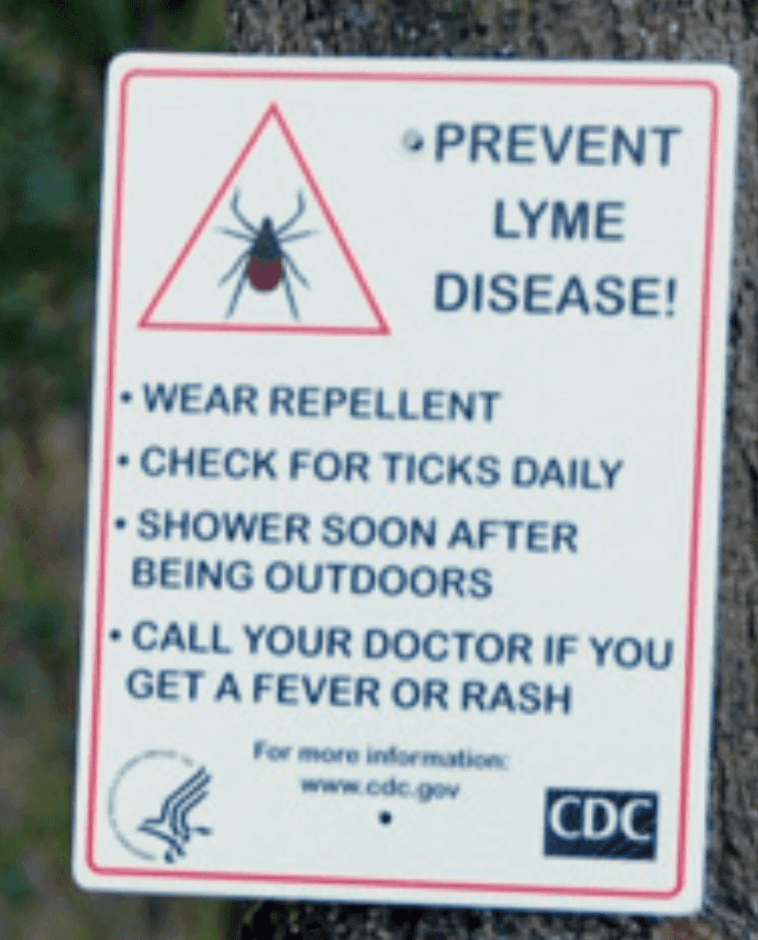
Experts universally agree that the most critical prevention measure against tick bites is vigilance. The recommendation is straightforward: wear long-sleeved clothing, apply insect repellant, and conduct thorough tick checks after spending time outdoors. However, these seemingly simple suggestions mask a series of subtle details that, if ignored, can heighten the risk of serious infection.
For many individuals, especially those new to tick-prone areas, figuring a path through recommended prevention strategies might seem intimidating. Here is a clear guide to help dissect the measures and ensure that citizens are adequately prepared:
- Wear Protective Clothing: Opt for light-colored attire to easily spot ticks. Long sleeves and pants can act as a physical barrier against bites.
- Use Insect Repellents: Products containing DEET or picaridin are effective. Always follow the instructions to maximize benefits and avoid harmful side effects.
- Conduct Tick Checks: Focus on warm areas of the body such as underarms, groin, behind the ears, and the scalp. Use mirrors if necessary to inspect less visible areas.
- Shower After Outdoor Activities: A shower within two hours of outdoor exposure can help remove unattached ticks and reduce the chance of infection.
These practical steps, while simple in wording, carry with them complicated pieces of knowledge that are essential for mitigating the ongoing rise in tick-borne illnesses.
Innovative Public Health Policies and Legal Adjustments
In response to the growing threat of tick-borne diseases, some jurisdictions are already taking proactive steps to protect public health. State and local governments are considering a series of changes that include enhanced mosquito and tick control programs, more aggressive public health announcements, and reconsidering funding priorities for research into tick-related illnesses.
Legal experts suggest that while these measures are a step in the right direction, more is needed. Specifically, there is a call for establishing legal guidelines that compel local governments to implement standardized tick management procedures. Given the subtle parts of this issue—ranging from scientific uncertainty to public resource limitations—any legal framework must be flexible enough to handle both current and emerging challenges.
For instance, lawmakers could mandate regular maintenance of public spaces prone to tick infestation, create community-based tick surveillance systems, and even incorporate tick risk assessments into environmental impact reviews for new developments. These are just a few examples of how legal and public health strategies can work in tandem to reduce the overall impact of tick-borne diseases.
Climate Change: The Underlying Catalyst
How Warming Temperatures Affect Tick Activity
Climate change is proving to be one of the most influential factors in the spread of tick populations. Milder winters and wetter springs are extending the active season for ticks, meaning that their presence is no longer limited to the warmer months. This shift has had several far-reaching consequences, not only for public health but also for legal frameworks that were designed for more predictable seasonal behavior.
With the extension of tick-active periods comes an increased likelihood of human contact, especially in areas that historically were not prone to tick infestations. As ticks migrate into new territories, residents in these regions may be caught off guard and unprepared for such risks. This emerging trend underlines the need for coordinated legal measures and public awareness campaigns that step in before the situation becomes overwhelming.
Legislative and Regulatory Reforms in a Warming World
The legal domain is now grappling with how to respond to the far-reaching impact of climate change on public health. Lawmakers must find a path through the maze of existing environmental and public health regulations and update them to meet current challenges. There is a growing consensus that climate change is not just an environmental issue but also a legal one—and one that affects a wide range of public services.
Legal reforms in this area may include:
- Revising Building Codes: To ensure that new developments incorporate measures to minimize tick habitats.
- Enhancing Environmental Monitoring: Establishing stricter guidelines for tracking and controlling tick populations, particularly in areas that are newly affected by climate change.
- Allocating Funding for Research: Investing in scientific studies that explore the relationships between climate change, tick populations, and emerging diseases.
- Implementing Public Health Campaigns: Mandating educational programs that inform residents about prevention methods and the legal steps being taken to protect public health.
These potential reforms highlight how legal and regulatory changes must be agile enough to address the rapid pace at which environmental conditions are evolving—a challenge that requires both nimble legislation and keen oversight of public health initiatives.
Legal Liability and Public Safety: A Balancing Act
Determining Accountability in Tick-Borne Disease Incidents
One of the more contentious legal issues arising from the surge in tick bites is the question of accountability. When an individual contracts a tick-borne illness, who is responsible for their injury? Are local governments, park services, or even private property owners liable if they fail to manage the risk effectively?
The law has always had to find its way through such tricky parts, balancing individual rights with public responsibilities. In cases where negligence can be proven—such as the failure to maintain public areas in a reasonably safe condition—responsibility might squarely fall on government bodies or property owners. However, the complexity is amplified by the fact that ticks are a natural part of the environment, and their presence alone does not necessarily constitute negligence.
Legal experts emphasize that the distinction often lies in whether or not a party was aware of a heightened risk and failed to take super important measures to mitigate that risk. In situations where local authorities have been notified of dangerous tick populations and made no attempt to issue warnings or remedial actions, affected individuals might have a stronger case for legal redress.
Case Studies and Past Legal Precedents
A review of past cases reveals that legal actions related to environmental hazards are neither unprecedented nor without intricate legal debate. For example, several cases across different states have demonstrated that when public agencies neglect to provide proper warnings or fail to take even modest preventive steps, they can be held liable for subsequent health issues.
Some notable points from past legal cases include:
- The Duty to Warn: Governments and public agencies have a responsibility to alert residents of known risks. Failing to do so, especially when sufficient evidence exists, can lead to legal implications.
- Negligence in Public Safety: Instances where proper maintenance or remediation of high-risk areas was overlooked have resulted in successful lawsuits, reinforcing the expectation of care.
- Shared Liability: In many cases, liability is shared between multiple parties including local government agencies, private property owners, and even event organizers responsible for outdoor gatherings.
These case studies underscore the need for clear legal guidelines that address the rising threat of tick-borne illnesses, balancing the responsibilities of both the state and individual citizens. It is only through careful legal review and proactive legislative measures that we can hope to shield communities from the detrimental effects of neglect.
Education and Community Engagement: The Legal Perspective
Empowering Citizens Through Knowledge and Preventive Action
One of the most effective ways to manage the public health challenges posed by tick-borne diseases is through education. Citizens must be informed—both about how to protect themselves and about the legal recourse available if they are injured due to negligence or a lack of proper warning by authorities.
Community engagement initiatives can serve as a valuable resource in relieving some of the legal ambiguities that often cloud rapid response efforts during public health crises. For instance, local government meetings, public forums, and even social media campaigns can help individuals get into the nitty-gritty of preventive measures and legal strategies. By taking a closer look at these issues collectively, communities can drive improvements in both public health strategies and legal accountability.
Some key educational points include:
- Understanding Tick Habitats: Learning where ticks are most likely to be found can help residents avoid high-risk areas or take additional precautions if they need to visit such locations.
- Recognizing Symptoms Early: Early detection of tick-borne illnesses is essential for effective treatment. Educational programs aimed at outlining early warning signs can reduce the severity of these diseases.
- Legal Rights and Responsibilities: Informing the public about their legal rights if they suffer harm due to negligence fosters a more proactive citizenry that can advocate for stronger government action.
Overall, empowering communities through education not only supports immediate health needs but also contributes to long-term legal resilience by ensuring that citizens understand the fine shades between natural environmental hazards and potential negligence.
Policy Reform: Toward a More Resilient Public Health Framework
Identifying Gaps in Current Legislation
The current legal framework surrounding environmental hazards like tick-borne diseases is riddled with tension. Many existing laws were established when tick populations were more predictable and confined to specific seasons. Today, with ticks active throughout the year, we must take a closer look at how those laws can be updated to make way for safer communities.
There are several confusing bits in the legal approach to environmental health risks that need attention:
- Clarifying the limits of governmental responsibility in addressing naturally occurring hazards.
- Defining explicit duties for property owners and public agencies in maintaining safe outdoor environments.
- Ensuring that public health warnings and advisories are not only issued but also acted upon.
By identifying these tangled issues, policymakers can be better equipped to craft legislation that not only addresses the root causes of the current tick crisis but also provisions for emerging challenges in a warming world. Legal reforms must be designed to be flexible, allowing for periodic updates in response to evolving scientific data and environmental trends.
Recommendations for Legislative Action
To safeguard public health and reduce the legal ambiguity surrounding tick-borne illnesses, several key steps must be taken by lawmakers. Legal reform in this arena should focus on the following areas:
| Area of Focus | Recommended Action |
|---|---|
| Environmental Monitoring | Establish state-wide tick surveillance programs and require periodic risk assessments in vulnerable areas. |
| Public Safety Warnings | Mandate the issuance of timely and clear health warnings in high-risk zones, backed by robust regulatory frameworks. |
| Legal Accountability | Clarify the liabilities of public agencies and property owners in cases of negligence and failure to mitigate risks. |
| Funding for Research | Increase government investment in the study of tick ecology, climate impacts, and effective prevention measures. |
These recommendations, if actioned, could help establish a more resilient legal and public health framework designed to protect citizens from the ongoing surge in tick-borne illnesses and the associated hidden complexities of the issue.
Looking Forward: The Path to a Safer Future
Collaborative Efforts Between Health Officials and Legal Experts
Addressing the multifaceted challenges of rising tick bite emergencies requires a concerted effort from both public health officials and legal professionals. In many ways, the situation is like navigating a maze of complicated pieces where every decision carries significant public health and legal implications. These expert communities must work together to figure a path that provides clear guidelines on prevention, liability, and remediation.
Both sectors share a common goal: to reduce the overall risk to individuals while maintaining a balanced and fair legal system. Rooted in shared expertise, cross-disciplinary collaborations can help develop innovative solutions tailored to local realities. By combining scientific research with practical legal reform, it is possible to create a robust and comprehensive response that can protect public health for generations to come.
Adapting to a New Normal in Outdoor Recreation and Public Spaces
The surge in tick-related emergencies has forced many to reexamine how outdoor recreational areas are managed and maintained. With ticks no longer confined to a predictable season, recreational activities must be adapted to account for year-round risks. Local governments are now faced with the daunting task of ensuring that parks, trails, and other public spaces remain safe while recognizing that some risks are intrinsic to nature.
Citizens, too, have a role to play. The responsibility for preventing tick-borne diseases is a shared one. Awareness campaigns and community-based initiatives can bolster local efforts to alert residents to potential hazards by sharing best practices and educating people on what areas might be considered tick hotspots. This balanced approach, melding public education with legal safeguards, is essential in a time when natural health threats are constantly evolving.
Conclusion: Charting a Course Through Uncertain Times
Embracing Preventive Strategies and Legal Reform
The rising tide of tick bites, along with the resulting public health emergencies, calls for immediate action from both the legal and medical communities. Each case that reaches an emergency room is a reminder of the intertwined issues that span from environmental science to the law. As we face a future marked by a warming climate and increasingly unpredictable natural hazards, our response must be equally robust and agile.
In concluding this discussion, it is important to stress that while the challenges are numerous and full of problems, there is a clear path forward through collaboration, targeted legislation, and public education. The responsibility lies not only with governments and legal institutions but also with each individual who makes the choice to adopt super important preventive measures. By taking proactive steps—such as wearing protective clothing, using repellents, performing regular tick checks, and advocating for legislative reforms—we can collectively reduce the risks associated with tick-borne diseases.
Final Thoughts on a Safer Future
It is evident that our current legal frameworks and public health strategies require a significant overhaul in light of these trends. The combination of extended tick seasons, unexpected geographic spread, and rising emergency room visits should serve as a wake-up call to policymakers, public health officials, and legal experts alike. We must not allow the situation to spiral into something even more overwhelming.
Moving forward, the integration of public health research with legal accountability will be indispensable in ensuring that communities remain safe in an era when nature’s hidden complexities often challenge our best efforts. Whether it is through revising existing laws, implementing new environmental safeguards, or simply educating the public about preventive measures, every step counts. As a society, we must be ready to take the wheel, managing our path through these unpredictable times with resolve, knowledge, and a commitment to public well-being.
The challenge is significant, but even the most tangled issues can be unraveled with thoughtful, coordinated actions. In a world where climate change accelerates the subtle parts of nature’s unpredictable twists and turns, our collective resilience—and the willingness to work through our legal and public health issues—will determine how successfully we navigate this new age of environmental hazards.
Ultimately, the conversation we engage in today regarding tick-borne diseases and their legal implications is not merely about mitigating a current crisis; it is about setting a precedent for how we handle the complex and interconnected challenges of the future. By embracing robust preventive measures, educating our communities, and pushing for meaningful legislative reform, we build a safer, more accountable future, ensuring that the rising tide of tick-related emergencies does not catch us unprepared.
Now, more than ever, it is crucial for all stakeholders—from environmental scientists to legal professionals—to align their efforts. Only through respectful collaboration and decisive action can we hope to alleviate the hidden complexities that underpin this public health threat. The road ahead is loaded with issues that demand immediate attention, and while the task may seem overwhelming at times, every preventive step and every nuanced legal reform brings us closer to a safer tomorrow.
Call to Action for Lawmakers, Healthcare Providers, and the Public
As this pressing issue continues to evolve, it is critical that lawmakers harness the insights provided by both the healthcare and environmental sectors. Some practical steps include:
- Regular Risk Assessments: Legislatures should authorize mandatory assessments of tick-prone areas to better identify emerging hotspots and develop localized strategies.
- Enhanced Communication Channels: Establish clear and effective communication channels between public health officials and legal advisors to streamline emergency response strategies.
- Community Engagement Initiatives: Invest in community outreach programs that educate residents on both prevention techniques and their rights in cases of negligence.
- Investment in Research: Support scientific studies that explore how a changing climate is affecting tick populations and what innovative legal remedies can be employed to protect communities.
Healthcare providers must also play a crucial role by promoting awareness via public seminars, distributing informative materials, and advising patients on the straightforward yet tricky parts of tick prevention. Together, these cross-sector collaborations can transform current challenges into opportunities for a safer and healthier society.
In summary, the dramatic increase in tick bite-related emergencies is more than just a temporary setback—it is a persistent challenge that calls for enduring solutions. Addressing this issue calls for an integrated approach that takes into account public health, environmental science, and legal accountability. When all these components work together in harmony, the result is a comprehensive model of safety and resilience, capable of withstanding the unpredictable impacts of climate change and evolving environmental hazards.
By working through the intertwined challenges of rising tick populations and climate-induced changes, we demonstrate that proactive legal reform, community engagement, and robust prevention strategies are not only possible but essential. As citizens, lawmakers, and healthcare professionals unite, the collective effort helps ensure that our public spaces and legal frameworks continue to protect us, even in the face of nature’s nerve-racking twists and turns.
Ultimately, our response to the tick-borne disease crisis will set a powerful example of how a society can adapt to environmental changes through thoughtful legal and public health strategies. Let this be a call to action—a reminder that the collaboration of diverse expertise is our best hope for mitigating risks in uncertain times and creating a legacy of safety, accountability, and resilience.
Originally Post From https://www.news9.com/story/6871403c0958a1d387bbe42f/tick-bites-on-the-rise-prompt-national-health-alert