Recent Developments in the Lori Vallow Daybell Case: A Closer Look at the Juror Misconduct Claims
The latest chapter in the unfolding saga of Lori Vallow Daybell, often dubbed the “doomsday mom,” offers a rich case study in how the justice system handles jury selection and evidentiary fairness. Daybell’s motion for a new trial—triggered by a claim that a juror had prior knowledge of her previous murder convictions—raises important questions about what constitutes a fair cross-section of the community and how the legal process adjusts when possible juror misconduct is revealed.
In this opinion editorial, we take a closer look at the evidence presented, the legal arguments raised, and what this might mean for Daybell’s future in the courtroom. We will also explore the tricky parts of ensuring a fair trial, the intimidating process of scrutinizing juror behavior, and the complicated pieces that shape how appeals in high-profile cases proceed. Stay with us as we explore the fine points and subtle details of this evolving story.
Understanding the Motion for a New Trial
At the heart of Daybell’s petition for a retrial is the claim that at least one juror—Juror 15—entered the jury room with prior knowledge of Daybell’s earlier convictions in Idaho for the murders of her two children and former husband. According to Daybell’s legal team, this information, if known before deliberations, undermines the integrity of the jury and taints the verdict.
This claim is built on several pillars that highlight the legal community’s persistent concern: that the inclusion of unrelated adjudicated cases has the potential to skew jury impartiality. The legal system rests on the assumption that every defendant deserves a trial free from extraneous biases, and if this foundation is jeopardized, the verdict itself becomes questionable.
Key Points of the New Trial Motion
The motion for a new trial contains several significant elements. A breakdown of these is outlined below:
- Evidentiary Hearing Request: Daybell’s attorneys are asking the court to hold a hearing that would probe exactly when and how Juror 15 learned about her prior convictions.
- Assessing Influence: The legal team wants to determine whether this additional information tipped the scales during jury deliberations, thus affecting the outcome.
- Spillover Effects: There is also a concern that if Juror 15 had outside information, he may have inadvertently influenced other jurors, casting a shadow on the collective decision-making process.
The legal community is watching closely because these points underscore the intricate balance between fair representation and ensuring that outside influences do not taint the deliberative process.
Exploring the Evidence: When Juror Knowledge Becomes Influence
A key moment in the trial was the conflicting statements made by Juror 15. Initially, he mentioned to reporters that he was unaware of Daybell’s prior convictions. However, later in the day, during a televised interview, he expressed sympathy by remarking upon the severe sentence she was facing—“she’s spending the next three lives in prison in a cell.” This statement has become the focal point of the retrial motion, as it suggests potential bias influenced by outside knowledge.
This case forces us to dig into how subtle details in a juror’s conduct might have a ripple effect on the trial’s outcome. For some, his early omission followed by later comments might indicate an unintentional error or, worse, a hint of misconduct that could have compromised the solemnity of the jury’s duty.
Critical Questions Raised by the Juror’s Comments
The following table outlines the main questions that courts need to address regarding Juror 15’s conduct:
| Question | Key Considerations |
|---|---|
| Timing of Knowledge Acquisition | Determining the exact moment and circumstances under which the juror learned about Daybell’s previous convictions. |
| Extent of Influence | Evaluating if and how this information biased his judgment during deliberations. |
| Ripple Effect on Other Jurors | Investigating whether Juror 15’s knowledge was shared with or influenced the opinions of other jurors. |
These questions illustrate the tangled issues that the court must untangle to ensure that the trial remains on a level playing field.
The Broader Implications for Jury Integrity and Fairness
The concept of a fair trial is at the core of our legal system. When a juror appears to be influenced by extraneous information—especially in a high-profile case such as this—the consequences are far-reaching. Not only does this create doubts about the specific verdict rendered but it also shakes public confidence in the judicial system as a whole.
Critics of the retrial motion argue that once a verdict is reached, rehashing the trial due to potential juror misconduct might set a precedent fraught with problems. However, proponents contend that if even a single detail—if handled improperly—can cast a shadow of doubt, then the safe and just course of action is to reexamine the proceedings.
This perspective invites us to take a closer look at the interplay between juror behavior and the judicial process. When jurors are entrusted with the responsibility to remain unbiased, any deviation, no matter how small, can rapidly evolve into a heated debate among legal scholars and practitioners alike.
Legal Community Reactions and Opinions
Many legal experts have taken a stance on Daybell’s request for a new trial. Here are some of the common viewpoints expressed:
- Advocates for Retrial: They claim that juror misconduct, particularly in high-stakes criminal appeals, must be addressed seriously to uphold the cornerstone of a fair judicial process.
- Skeptics of Retrial: They warn that if retrials are granted too readily on the basis of isolated incidents, it could lead to a slippery slope where nearly every verdict becomes contestable due to perceived juror bias.
- Calls for Further Investigation: Many voices in the legal community recommend a measured approach—one where an evidentiary hearing could decisively uncover whether the juror’s misconduct was isolated or symptomatic of a larger issue within the jury box.
While public opinion leans in favor of ensuring that every trial is monitored for fairness, the method through which this safeguard is implemented remains a topic loaded with questions and uncertainty.
Examining Additional Grounds for a New Trial
While the issue of juror misconduct occupies the spotlight in Daybell’s motion, it is not the only assertion her legal team is bringing forward. Several additional claims seek to highlight other potential missteps during the trial, including questionable witness testimonies, alleged discovery violations, and misconduct claims against both the judiciary and the prosecution.
Each of these points adds another layer to the tangled issues the court will need to navigate. The following subtopics address these claims in more detail:
Questionable Admission of Witness Statements
Daybell’s lawyers are challenging the inclusion of certain statements made by witnesses such as Ty Ryan and Alex Cox. They argue that these statements contain subtle details that might have been presented in a way that unfairly prejudiced the jury against their client.
Critics say that while witness testimony is a fundamental part of any trial, the way that evidence is gathered and admitted must be super important in preserving the integrity of the legal process. If statements are presented out of context or with undue emphasis on Daybell’s past convictions, they can create a skewed portrayal of her character and actions.
This situation calls for a nerve-racking process of reexamining the evidentiary record, ensuring that every piece of testimony is dissected and analyzed for any fine shades that might have altered the jury’s perception.
Allegations of Discovery Violations
Another claim within the motion centers on allegations that the prosecution failed to disclose essential evidence in a timely manner. Such discovery violations can leave defense teams scrambling to adjust their approach, having been left in the dark about critical facts that might have influenced case strategy.
The request for maintaining a fair trial is reinforced by the need for complete transparency from the prosecution side. If evidence—especially that which could exonerate or mitigate charges—is withheld, it undermines the balance that the legal system strives to achieve.
This scenario is a reminder of just how tricky the parts of evidence disclosure can be. Both sides must work through this challenge while adhering to strict timelines and legal protocols, ensuring that no side gains an undue advantage.
Judicial and Prosecutorial Conduct Under Scrutiny
Daybell’s legal team also points its finger at missteps by the judge and the Maricopa County Attorney’s Office. They allege that procedural errors and potential misconduct contributed to an overall atmosphere of tension during the trial. Such claims are serious, as they purport that the fairness of the trial might have been compromised from more than one angle.
A thorough investigation into these allegations is super important for restoring public trust. The court must take a close look at what happened, who was responsible, and whether the judicial process adhered to the established facts and legal standards. This means a detailed analysis of administrative records, courtroom interactions, and the timing of various disclosures.
The Potential Impacts of a New Trial on the Justice System
Should the court accept Daybell’s motion and grant an evidentiary hearing, a new trial could dramatically reshape not only her case but the broader landscape of how similar situations are handled in the future. Here, we unpack some of the key potential outcomes and implications:
Increased Scrutiny on Juror Selection Processes
If the court finds that external information compromised the jury, it could usher in a series of reforms aimed at reinforcing the integrity of juror selection. Greater care may be taken to prevent jurors from accessing extraneous information during the screening process—a measure that ensures the jury remains a neutral and unbiased representative sample of the community.
This increased scrutiny would likely include:
- Stricter vetting procedures during voir dire.
- Enhanced guidelines for juror conduct once the trial commences.
- More rigorous sanctions for breaches of juror confidentiality.
Adopting these changes could serve as a balancing measure to offset any past lapses, thereby ensuring that jury decisions are based solely on the evidence presented in court.
Setting Precedents for Appeals in High-Stakes Cases
The outcome of Daybell’s motion might not be confined to her case alone. A ruling that acknowledges any reversible error due to juror misconduct could set a key precedent for future appeals in high-profile criminal cases. Legal professionals will be watching closely to see whether this decision encourages a trend of increased accountability for juror behavior.
While encouraging accountability is essential, the legal community also remains wary of triggering a cascade of retrials over minor discrepancies. Legislators and judges must work together to figure a path that protects the rights of the defendant while upholding the finality and stability of verdicts.
This balancing act—between correcting potentially ferocious errors and maintaining the public’s confidence in verdict finality—is one of the most critical challenges of modern criminal jurisprudence.
Public Confidence and Media Influence in High-Profile Cases
High-profile cases such as that of Lori Vallow Daybell are subject to intense media scrutiny. The interplay between the legal process and the public’s perception of justice can be especially complicated when media coverage is as nerve-racking and pervasive as it has been in this instance.
Media coverage can both help and hinder judicial processes. Its advantages include raising public awareness and holding the justice system accountable. However, excessive coverage also poses risks, particularly when it inadvertently contributes to a biased jury pool.
Media’s Role in Shaping Public Opinion
Media outlets often report every twist and turn during a trial’s proceedings, sometimes focusing on the more salacious elements rather than the fine details that require careful legal analysis. For example, the label “doomsday mom” not only captures public imagination but also risks prejudicing opinions before a full judicial examination of the facts.
In this climate, it becomes even more essential for the courts to maintain clear and transparent processes. Ensuring that every potential influence on the jury is thoroughly scrutinized reassures the public that the judicial system is committed to fairness, despite the overwhelming media spotlight.
Enhancing Judicial Transparency
Steps that could be taken to enhance transparency include holding open evidentiary hearings, public reporting on findings regarding juror behavior, and clear communication from the bench regarding the decisions made during the appeal process. These measures serve to educate the public about the twists and turns of legal proceedings and help demystify the decisions made by judges.
Clear communication is super important. It not only reassures the public about the fairness of the process but also allows for constructive dialogue about how the system can be improved to handle similar cases in the future.
Weighing the Consequences: A Call for Careful Consideration
The ramifications of granting Daybell a new trial are significant. This decision would not only affect her future but could lead to sweeping changes in how juror misconduct is handled in the legal system. There is a growing sentiment among legal professionals that, given the stakes, a careful and measured approach is essential.
This case stands at the crossroads of several challenging issues:
- Juror Influence and Credibility: If one juror’s knowledge compromised the entire jury’s impartiality, this is an issue that cannot be brushed aside.
- Procedural Integrity: The allegations of discovery violations and biased witness testimonies underscore the need for a trial that is wholly free from external influences.
- Future Legal Reforms: A ruling in this case could drive changes in procedures, ensuring future juries are even more insulated from outside information.
For many observers, this is about more than just one case—it is a matter of ensuring that justice is administered in a way that is both transparent and fair. Courts are ultimately tasked with finding a balance between correcting mistakes and preserving the finality of verdicts to maintain public confidence.
Looking Ahead: What Does the Future Hold?
At this moment, no one can predict with certainty whether the judge will schedule an evidentiary hearing or how quickly a decision on the retrial motion might be reached. However, the implications are clear: if the current legal arguments bear out, it could prompt a comprehensive review of how juror misconduct influences trials, particularly in cases with high public visibility.
For now, Lori Vallow Daybell remains in custody at the Arizona Department of Corrections, serving multiple life sentences. As the legal process unfolds, we are reminded of the nerve-racking task that judges, jurors, and legal professionals face on a daily basis. Each decision is a careful balancing act between individual rights and the collective need for societal justice.
In a system as complicated as ours, every case offers an opportunity to learn, reform, and improve. Whether one views the retrial motion as a necessary step toward greater legal integrity or as a challenge to the finality of jury verdicts, there is no denying that this case presents a unique chance for the judicial system to address hidden complexities and ensure that every trial is as fair and transparent as possible.
The Role of Legal Expertise in High-Profile Cases
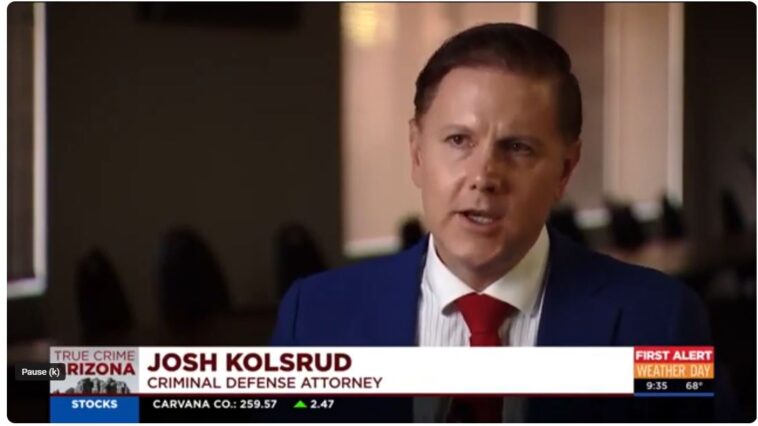
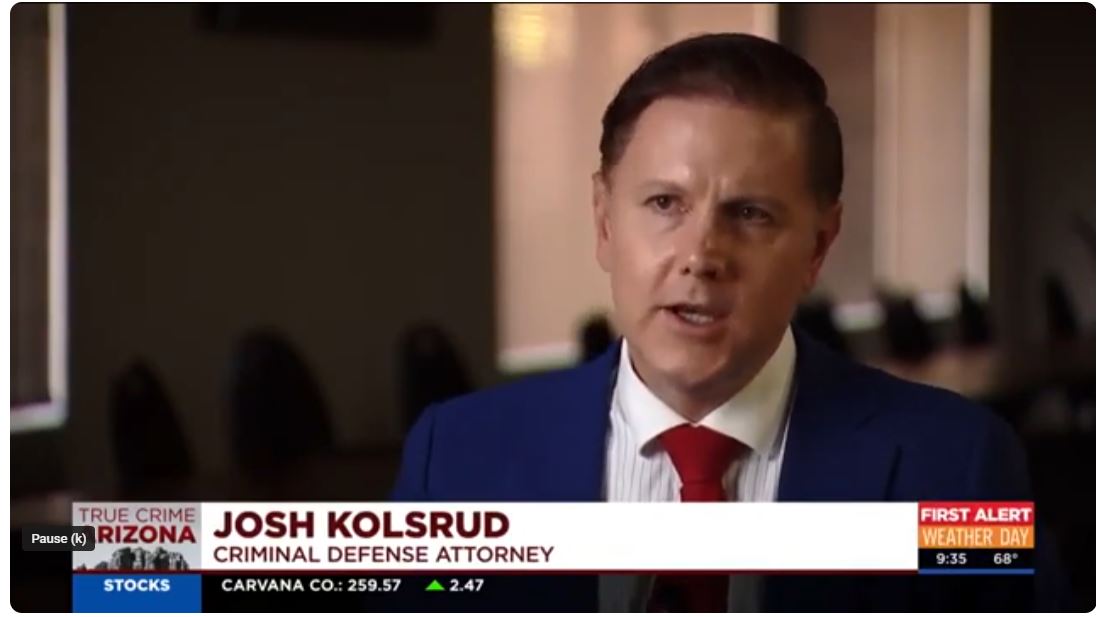
Veteran criminal defense attorney Josh Kolsrud, whose insights have been closely followed in this matter, is a prime example of how legal expertise can impact high-stakes cases. With a record of more than 100 jury trials and experience as a former state and federal prosecutor, Kolsrud’s perspective on the retrial motion is seen as both knowledgeable and balanced. His approach underscores the need to get into every little detail to figure a path that upholds justice.
In his discussions with local news outlets, Kolsrud emphasized that if a juror had outside knowledge of contentious past convictions, then the error resulting may be reversible. Such a pronouncement calls attention to the ever-present need for accountability in the courtroom, reminding us that the system must be both self-critical and open to reform when missteps occur.
Real-World Repercussions for Legal Practice
While Daybell’s fight for a new trial continues, the broader legal community is already taking note of the lessons to be learned here. The eventual outcome could influence how future cases are approached, particularly when it comes to:
- Jury Screening and Voir Dire: Lawyers may begin to take even more vigorous measures to ensure that potential jurors are completely free from any preexisting biases or external influences.
- Evidentiary Standards: The rules governing the admissibility of witness statements and other forms of evidence may be revisited to ensure that all factors are thoroughly scrutinized.
- Prosecution and Judicial Accountability: With allegations of discovery violations and prosecutorial missteps, there is a possibility that guidelines governing trial conduct will be reexamined and, potentially, reformed.
Each of these points serves as a reminder of the delicate relationship between precedent and innovation in legal practice. Decision-makers in this case are faced with the nerve-wracking task of balancing established legal processes against the need for ensuring absolute fairness in a rapidly changing media landscape.
The Importance of a Public Dialogue on Juror Misconduct
In addition to the legal ramifications, there is also an essential public relations component in how juror misconduct is handled. Public trust is a key ingredient in any legal system, and decisions that cast doubt on the fairness of trials can have lasting effects on that trust. A transparent process that investigates every claim of juror misconduct is thus not only a legal imperative but also a super important step toward maintaining public confidence.
As discussions continue in legal circles and among the public, it is clear that this case has opened up a broader conversation about the role of media, public opinion, and juror responsibility in high-profile cases. Ensuring that every juror’s conduct is above reproach is critical to preserving the principle that every individual is entitled to an impartial trial.
Conclusion: A Balancing Act of Fairness and Finality
In wrapping up our discussion on the evolving case of Lori Vallow Daybell, what remains at the forefront is the ongoing challenge of achieving true fairness in the courtroom. The allegations of juror misconduct, alongside other claims of procedural missteps, serve as a potent reminder of the twists and turns involved in administering justice. For legal practitioners and the public alike, this case underscores the necessity of questioning every fine detail and demanding transparency at every step of the legal process.
While the road ahead is uncertain, the current motion for a new trial has set the stage for an in-depth examination of not only this particular case but also the underlying systems that govern how justice is delivered. Legal experts like Josh Kolsrud remind us that when even one juror’s bias is in question, it triggers a chain reaction of considerations—from evidentiary hearings to the potential need for sweeping procedural reforms.
As we work through these tangled issues, the legal community must remain vigilant and committed to personal integrity, ensuring that every defendant benefits from the super important protections afforded by a fair judicial process. After all, the goal is not only to correct potential errors but also to sustain public trust in the judicial system, which is on edge in today’s fast-paced, media-driven world.
This case is a stark reminder that, while our legal system is engineered to work through difficult and intimidating challenges, it must also be adaptable enough to learn from its own oversights. Whether you are a legal professional, a student of law, or simply a concerned citizen, the unfolding developments in Daybell’s case provide a crucial opportunity to get into the nitty-gritty of what makes a fair trial truly fair.
In conclusion, as the court considers whether to grant an evidentiary hearing and possibly order a new trial, the implications will undoubtedly be far-reaching—not only for Lori Vallow Daybell but for the overarching procedures that underpin our criminal justice system. By closely examining the behavior of jurors, the reliability of evidence, and the accountability of legal authorities, we can work together toward a system where every verdict is not only legally sound but also perceived as just by the public at large.
We must continue to take a closer look at these challenging cases, even as we appreciate the significant strides made in legal transparency and reform. The ultimate hope is that by learning from these nerve-wracking experiences, the judicial system can further refine its approach, ensuring that justice is truly served while balancing the delicate interplay between fairness and finality.
The journey ahead might be riddled with tension and loaded with issues, but it is only through persistent self-examination and open discussion that we can ensure our legal processes remain robust, responsive, and above all, fair. As we watch the proceedings unfold and await further decisions, the broader lesson is clear: every detail counts in the quest for a justice system where every individual is guaranteed a fair shot at a fair trial.
Stay tuned as we continue to monitor this unfolding story and provide updates on how these developments might shape future legal precedents. In the meantime, the case of Lori Vallow Daybell serves as a powerful reminder that in the realm of criminal justice, the commitment to fairness must never be compromised, no matter how intimidating or overwhelming the pathway might seem.
Read more about this topic at https://kolsrudlawoffices.com/josh-kolsrud-explains-lori-vallow-daybells-new-trial-request/
Related articles you might like
Building Biased Jurors: Exposing the Circularity …
Challenging legal assumptions about juror bias