Understanding the Case: A Glimpse into a Tense Situation
Recently, a Phoenix man was arrested amid unsettling events that have stirred public discussion and raised serious legal questions. The individual, identified as Treven Michael Gokey, 49, was taken into custody on charges that include making terroristic threats and using electronic communications to issue threats—both classified as felonies. The incident unfolded when local police, responding to a welfare check request, learned that Gokey had reportedly threatened to open fire on a popular LGBT bar located in central Phoenix. According to reports, these bold declarations were motivated by his reaction to politically charged violence across the nation, generating a wave of apprehension among community members.
This situation provides an interesting angle from which to examine the intersection of free speech rights, public safety concerns, and the extreme implications of politically inspired hate speech. In the current climate, where opinions are fervently expressed and public discourse is highly charged, it is critical to take a closer look at how such events test our legal framework and moral responsibilities.
Political Rhetoric and Its Impact on Public Safety
The case is a stark reminder of the complicated pieces linking political discourse with potential harm. Gokey’s statements, which included references to recent violent events and controversial political figures, highlight how certain remarks can easily cross the line from opinion to a credible criminal threat. In many ways, the fine points of free expression become tangled in debates over whether such expressions should be seen as protected speech or as dangerous incitement. When an individual states that political violence breeds more political violence, while also making direct threats, the legal system is forced to figure a path through a maze of constitutional rights and public safety concerns.
This editorial is not an attempt to dismiss the seriousness of political opinions; rather, it is aimed at understanding the tricky parts that arise when personal grievances are elevated into violent threats. Key questions include: When does political anger step over the line into inciting terror? And how do the legal and ethical standards manage opinions that might be seen as provocative but remain within the boundaries of free speech?
Examining the Legal Standpoint
Legal authorities typically view threats of this nature under the lens of public endangerment. In this context, the charges against Gokey revolve around terroristic threats and the use of technology to propagate these menacing messages. Aside from the obvious criminal implications, this case encourages us to mull over larger questions related to the limits of free speech in modern society.
For instance, one must wonder: Is it possible to draw a sharp boundary line between passionate political commentary and overt incitement to harm? In a democratic society, the freedom to express dissenting opinions is enshrined as a key right. Yet, when those opinions are framed in a way that could feasibly lead to real-world violence, the state is compelled to step in and ensure public safety—often in ways that can seem overwhelming and even nerve-racking for those who cherish unrestricted free expression.
A Closer Look at Terroristic Threats
The category of terroristic threats is not new, and legal experts have spent decades figuring a path through those challenging legal bits. Essentially, a terroristic threat is one that is meant to instill fear and terror in the general public. In the case of Gokey, the direct targeting of a known public venue like a gay bar not only calls into question his motives but also poses the risk of exacerbating existing community tensions.
A detailed examination of the incident shows that:
- Gokey allegedly made specific comments referencing politically motivated events, such as the mentioning of public figures and recent violent incidents.
- He used technology—specifically, a computer—to issue these threats, thereby broadening the scope and potential impact of his words.
- His language was loaded with contentious references and even transphobic remarks, adding another layer of complication to the legal interpretation of his statements.
Law enforcement officials, by acting promptly, sought to avoid further escalation by mitigating the potential for a violent incident. The steps taken illustrate how the state must often work through pronounced and nerve-racking circumstances to balance individual rights against community security.
The Role of Hate Speech in a Politically Charged Environment
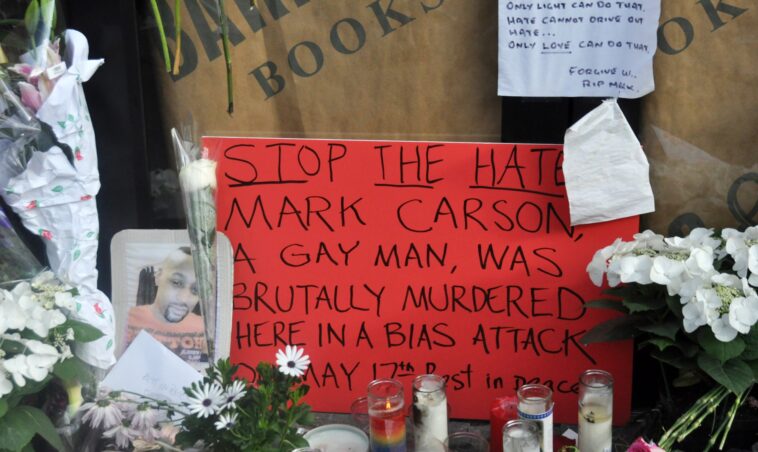
This incident has forced many to confront the fine line between mere speech and overt hate speech. Hate speech, by its very nature, is intended to marginalize and incite hatred toward a particular group. In this case, the target—a popular LGBT establishment—suggests that the threat was not just politically motivated but also designed to stoke divisions within an already tense sociopolitical climate.
Hate speech is a subject loaded with problems in legal theory because its definition often varies based on context and jurisdiction. Some key factors that are weighed in legal settings include:
- Intent: Whether the speaker originally intended to cause harm or incite fear.
- Content: The specific language used and references made to certain events or figures.
- Context: The broader political and social backdrop against which the statements were made.
Legal frameworks revolve around these criteria to decide if the speech in question falls within the realm of protected expression or if it crosses a critical threshold into criminal conduct. The Charged offenses in this case serve as a reminder that while every opinion has the right to be voiced, some can lead to deadly consequences if they incite actual harm.
Historical Precedents and Their Legal Impacts
By diving into previous cases where hate speech and politicized threats featured prominently, we can find valuable insights into the current debate. Historically, incidences of politically charged hate crimes have been met with stern legal responses, especially when they jeopardize public safety or marginalize specific community groups.
For example, legal precedents in such cases have established that:
| Case Name | Year | Key Legal Finding |
|---|---|---|
| Case A vs. State | 1998 | Clear criteria to distinguish between inflammatory rhetoric and direct incitement. |
| Case B vs. State | 2005 | Establishment of penalties for terroristic threats that leverage technology. |
| Case C vs. State | 2012 | Clarification on when hate speech enters the territory of criminal acts. |
Such historical references illustrate that the legal system has long wrestled with these little twists in free speech, especially when public safety is at stake. Today’s case adds another chapter to that ongoing discussion.
Balancing Freedom of Expression with Public Responsibility
One of the most challenging parts of legal analysis in politically charged situations is balancing free speech with the need for public safety. In the United States, the right to free expression is seen as a cornerstone of a democratic society, yet there exists a parallel duty to ensure that this freedom is not exploited to wreak havoc on the community.
Determining where the acceptable limit lies requires thoughtful consideration of several factors:
- Context of the Speech: Is the language hyperbolic or does it present a genuine threat?
- Setting and Timing: Was the speech delivered in a public forum where it could incite immediate violence?
- Intent and Impact: Was the aim purely to express dissent, or did it intend to mobilize individuals to commit acts of harm?
In Gokey’s situation, his statements were not made in a mere expression of political sentiment—they were explicitly linked to potential violence, designed to send a message that further polarized an already sensitive issue. When political commentary escalates to a point where specific groups are named as targets, the law must figure a path through these twisted and often confusing bits of free discourse and national security.
The Legal Doctrine of Imminent Threat
A central component in assessing cases like these is the legal doctrine of imminent threat. This concept, established in prior case law, posits that speech loses its protective value when it presents a direct and immediate danger to individuals or public institutions. The question then becomes: Did Gokey’s statements foster an environment ripe for violence, or were they merely an expression of his extreme political views?
When law enforcement agencies come across statements that suggest immediate risk, they must act decisively—even if doing so means curtailing some aspects of free speech. Public safety, especially in a context as delicate as a politically charged environment, always takes precedence over abstract rights when concrete harm appears imminent.
Community Reactions and Their Significance
The arrest has sparked diverse reactions across the community. Individuals and community leaders alike are wrestling with both the legal and moral ramifications of the incident. While some view the swift action by the police as a necessary measure to curb potential violence, others express concern regarding the implications for free speech.
A breakdown of community reactions includes:
- Civic Leaders: Many support the move as critical to ensuring the safety of marginalized communities and preventing any escalation of political violence.
- Free Speech Advocates: Several groups have raised concerns that the incident might set a precedent where politically charged rhetoric is too quickly criminalized.
- General Public: The broader community remains divided, with ongoing debates on social media and community forums discussing where the balance should lie between free expression and public security.
These varied responses demonstrate how loaded situations—especially ones rooted in political tension—can divide communities. They reveal the nerve-racking challenges faced not just by law enforcement, but also by policymakers, as they attempt to draft and enforce laws that balance individual rights with the overall well-being of society.
Energy for Community Healing
In the wake of such incidents, community healing and dialogue are more important than ever. Across Phoenix and similar urban centers nationwide, community organizations are working to create environments where even the most intimidating topics can be discussed openly. Efforts include:
- Organizing town hall meetings to tackle issues of political and social polarization.
- Establishing community advisory boards to foster discourse that is respectful and informed.
- Promoting dialogue workshops that help members understand the underlying causes of such tensions.
These initiatives are essential in managing your way through situations that are loaded with both political and personal animosities. Ensuring that open conversation is paired with lawful limits on dangerous behavior is a balancing act that our society must continue to refine.
Comparative Insights: Looking at Similar Incidents
A review of parallel cases across the country offers a useful perspective on how legal systems have previously combated issues of politically motivated threats. In many instances, law enforcement agencies have had to find their path in deciding when enforcing the law means restricting speech that could incite violence.
For instance, when examining:
- Urban Centers in the Midwest: Authorities in several cities have curtailed hate speech that aimed at inciting violence against specific communities. These interventions were bolstered by clear guidelines on what constitutes an imminent threat.
- Cases in the Southern United States: Legal debates often center on the key issue of whether inflammatory political commentary crossing a red line into criminal behavior is protected by the Constitution.
- Recent Cases in the West: Some legal authorities have emphasized the responsibility of individuals to consider the potential consequences of their speech, especially in an era when messages can spread widely via digital platforms.
These examples serve as a reminder that each instance presents its own set of tangled issues. From the use of technology to spread hate speech to the manner in which political events are exploited by individuals to justify dangerous behavior, the legal and ethical challenges remain full of problems and require prompt, measured responses.
Lessons Learned and Policy Implications
Examining previous cases helps to highlight the small distinctions that can determine whether a provocative comment is deemed acceptable political speech or a criminal act. Policy recommendations from these comparisons include:
- Improving guidelines for law enforcement agencies on identifying when political rhetoric turns into a direct incitement of violence.
- Investing in community outreach programs aimed at bridging the gap between different political and social groups.
- Establishing clearer legal definitions and thresholds that allow for rapid intervention without infringing upon constitutionally protected rights.
Such measures act as a roadmap for policymakers and community leaders alike, reinforcing that while the right to express one’s views remains super important, there is also a super important need to protect the community from harm.
Legal Analysis: The Fine Points of Threatening Behavior
From a legal standpoint, the analysis of Gokey’s case demands a clear understanding of what constitutes a direct terror threat. In legal terms, the threshold typically involves not only the language used but also its likelihood of inciting imminent violence. In the present case:
Authorities noted that:
- The explicit threat to target a designated establishment sends a message that goes far beyond mere verbal outbursts.
- The use of digital means to amplify the threat extends the potential reach and impact, putting even casual observers at risk.
- The inclusion of politically charged commentary adds further complexity to a case that was already on edge.
Legal experts argue that in such cases, the specifics of how a threat is communicated are among the critical, subtle details on which charges are based. Each element of the threat—its platform, phrasing, and context—contributes to whether it is seen as an incitement capable of spurring actual violence.
Breaking Down the Legal Implications
A practical method for legal professionals to analyze similar cases involves the following checklist:
- Intent Assessment: Examine whether the speaker demonstrated a clear intention to cause fear or incite harm.
- Communication Medium: Evaluate if the usage of technology or digital platforms amplified the threat.
- Reference Context: Consider the background political events referenced and how they influence the overall message.
- Immediate Danger: Determine if the threat presented an immediate risk to public safety.
This structured approach allows legal professionals to dig into the critical points of each case. It also underscores that even seemingly minor choices in language can have significant legal consequences when they tip the balance from protected speech into dangerous incitement.
Reflecting on Broader Societal Implications
Beyond the courtroom, the wider societal ramifications of this case are both profound and troubling. The incident shines a light on how political tensions, when mixed with inflammatory rhetoric, can lead to polarizing outcomes—often intensifying divisions between communities. For many, these events are a reminder that political dialogue, as vital as it may be for a democracy, must be conducted with care.
Insights from experts indicate that the state of our public discourse is loaded with issues that require thoughtful examination. While some argue that radical political expression is a natural byproduct of free speech, others worry that such rhetoric can become the spark for both overt violence and social isolation. In today’s politically charged climate, even a single arrest for a threat can stir off-putting debates about the balance between security and liberty.
Challenges for Policy Makers
Policy makers are now faced with the challenge of working through these tough legal pieces, ensuring that measures adopted to protect the public do not inadvertently stifle legitimate discourse. In evaluating measures to counter politically inspired hate speech, the following points become essential:
- Clear Definitions: Developing precise guidelines that delineate acceptable political commentary from actions that incite fear.
- Accountability: Ensuring that those who cross defined boundaries are held responsible, without compromising overall free speech rights.
- Community Involvement: Engaging local communities in meaningful dialogue to better understand public safety concerns.
These policy challenges are not merely academic. They are practical issues that affect the everyday lives of citizens and the way in which our laws are enforced. By sorting out these tangled issues, lawmakers can help create a framework where every individual can safely exercise their right to free speech, while also ensuring that that freedom does not lead to unpredictable or harmful consequences.
Concluding Thoughts: Moving Forward in a Divided Climate
The arrest of Treven Michael Gokey is more than a single legal incident—it is a reflection of broader societal trends. In the shadow of political turmoil, heightened polarization, and rapid digital dissemination of ideas, law enforcement and society alike are forced to find their way through overly challenging and sometimes intimidating issues.
As community members, legal experts, and policy makers analyze the events surrounding this case, several key takeaways emerge:
- The importance of balancing free expression with public safety cannot be overstated. While everyone has the right to share their viewpoints, threats that incite immediate violence must be clearly and rigorously addressed.
- Political rhetoric, especially when it includes references to high-profile events and violent acts, demands a responsible and cautious approach. The small distinctions between criticism and criminal incitement should be carefully considered.
- Community trust is built on the transparency and fairness of the legal process. Open, respectful dialogue, coupled with decisive legal interventions when necessary, forms the cornerstone of a society that respects both individual rights and collective security.
In summary, this case underscores that while political expression is a super important facet of democratic society, it must be exercised in a manner that does not put lives at risk. The legal system continues to evolve as it faces these frustrating twists and turns; it must ensure that measures taken to protect the public are balanced, lawful, and well-justified.
Looking ahead, it is essential for all parties involved—law enforcement, legal practitioners, policy makers, and community leaders—to take a closer look at the subtle parts of these incidents. By fostering robust debate and thoughtful policy reforms, society can strive to create an environment where political discourse remains vibrant yet safe. Only through careful reflection and deliberate action can we hope to build a future that is both free and secure.
Final Reflections
As we digest these events, it is clear that the challenges ahead are many and complicated. The legal principles that underpin our society must be continuously refined in light of new realities, ensuring that dramatic expressions of political anger do not result in irrevocable harm. This incident, while deeply troubling, serves as a compelling case study for the balancing act of freedom and responsibility.
The journey forward will require continual adaptation, clear policy guidelines, and a willingness to engage in open, honest debate about the role of political expression in an increasingly connected and politically divided world. It is both an opportunity and a necessity to address these tricky parts head-on, ensuring that though our political discussions may be intense and, at times, nerve-racking, they remain within the bounds of lawful, respectful discourse.
In our modern era, where words can spread rapidly and spark significant reactions, the need for careful thought and measured responses has never been greater. As we work together to sort out these issues, let us remember that the goal is not to curtail freedom, but rather to ensure that all individuals can live in a community where safety, respect, and justice prevail.
Ultimately, the case of Treven Michael Gokey stands as a reminder that our society is at a crossroads—a point where our shared values of free speech and public safety must be thoughtfully reconciled. The challenge before us is clear: we must find our way through the twisted, often confusing bits of today’s discourse, ensuring that while freedom endures, it does not come at the expense of community well-being.
As we continue to debate and develop policies in response to incidents like this, the dialogue must remain open, inclusive, and, above all, grounded in the principles of justice and public safety. By engaging in informed discussion and rigorous legal analysis, we can move toward a future where our political debates do not devolve into dangerous incitements, and where every individual feels safe to contribute to public life.
In conclusion, while the challenges posed by politically charged threats are undeniably intimidating, they also provide an impetus for critical reflection and proactive reform. Let this case be a stepping stone toward a more balanced understanding of free speech—a future in which the super important rights of expression are preserved without sacrificing the essential security of our communities.
Originally Post From https://www.azfamily.com/2025/09/19/phoenix-man-accused-threatening-shoot-up-gay-bar-amid-political-anger/
Read more about this topic at
The Rise of Political Violence in the United States
Trump’s threat to target ‘radical left’ after Kirk killing raises …