Repeat DUI Offender Sentencing in Apache Junction: A Closer Look at the Legal Process
The recent sentencing of Joel Stephan Goble in Apache Junction has once again thrust the topic of repeat DUI offenses into the spotlight. At the core of this case lies an incident that changed lives and raised significant concerns about public safety, personal responsibility, and the workings of our legal system. With a sentence of 22 years in prison for second-degree murder and an additional seven years of probation, Goble’s case serves as a stark reminder of the consequences when dangerous decisions meet a flawed system that sometimes struggles to prevent tragedy.
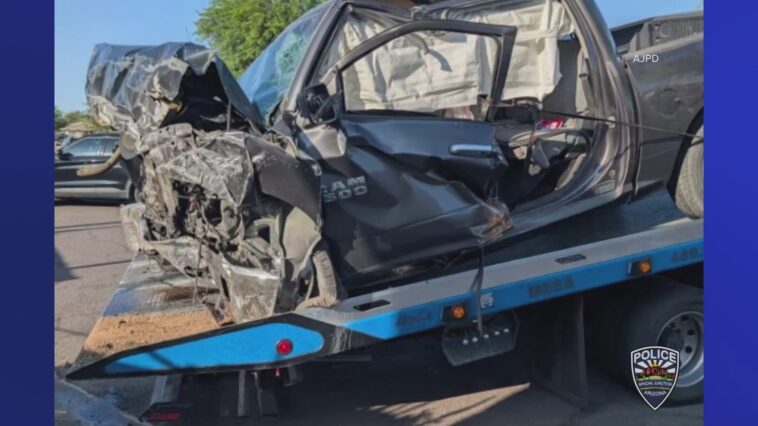
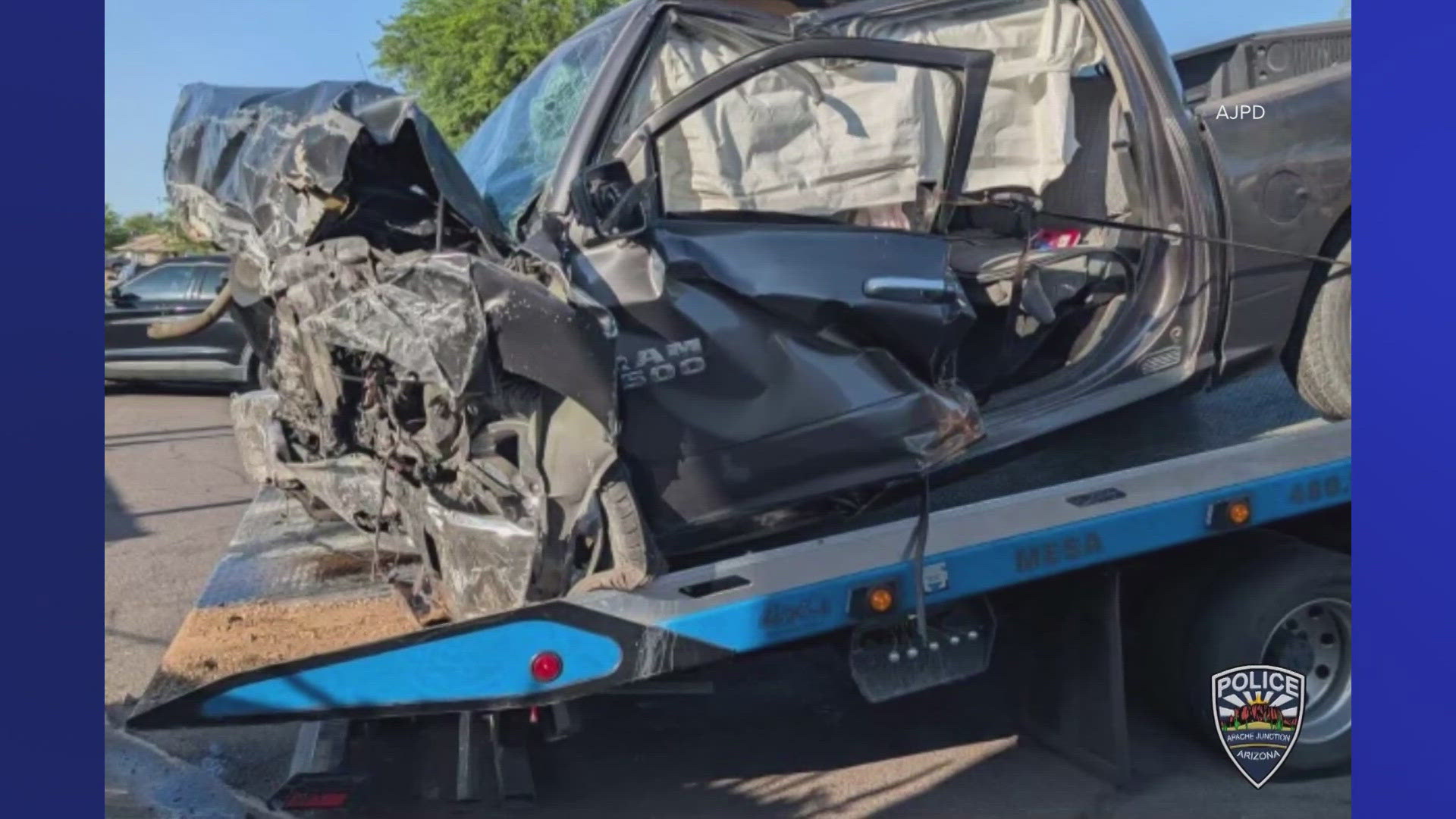
Authorities report that Goble, age 40, was involved in a high-speed, deadly incident on U.S. 60 that resulted in a fatality. The chain of events began on the evening of October 5, 2024, when Goble, after visiting multiple bars, took the wheel with an unusually high blood alcohol concentration and sped down the highway. His truck reportedly hit a motorcyclist at more than 100 miles per hour, causing such force that the motorcycle and its rider were pinned against his truck’s grille. The ensuing sequence of events, including dragging the victim’s body for nearly a quarter mile and the ignition of the motorcycle, exposed the truly nerve-racking twists and turns of this case.
In this editorial, we aim to dig into the legal process behind these incidents, discuss the broader implications of repeat DUI offenses, and consider how the justice system works to balance accountability with the need for robust legal protections. We will employ plain language with common colloquial synonyms to help readers understand the tricky parts, tangled issues, and complicated pieces involved in such a case.
Understanding the Legal Landscape and Its Key Considerations
The legal framework for addressing DUI incidents in Arizona, especially those resulting in fatal outcomes, is built around balancing the rights of all parties involved and protecting the public. This case, in particular, highlights several key points that we need to consider:
- Repeat Offender Status: Goble’s record shows multiple prior DUI convictions. This detail alone carries substantial weight in court, influencing both the severity of the sentence and the viewpoint on deterrence for future offenders.
- Second-Degree Murder Charges: In traffic incidents, the charge of second-degree murder represents the intersection of negligence and an act that leads to an irreversible tragedy. This adds a layer of criminal culpability and sets a precedent for cases where impaired driving results in death.
- Impact on Public Safety: When an individual repeatedly endangers lives on the road, not only does the community suffer from the tragedy itself, but trust in public safety measures is also compromised.
- Legal Process and Sentencing: The broader discussion involves acknowledging the challenges inherent in steering through the legal system when dealing with impaired driving cases. The process is laden with little twists that even seasoned legal professionals may find overwhelming at times.
Key Elements of the Case: A Timeline and Fact Breakdown
A thorough review of the facts helps us figure a path through this case’s tangled issues. Below is a table summarizing the key details:
| Event | Description |
|---|---|
| Incident Date | October 5, 2024 |
| Offender | Joel Stephan Goble, 40 years old |
| Charge | Second-degree murder; leaving the scene of a fatal collision |
| Speed | Over 100 miles per hour |
| Key Evidence | Surveillance footage, alcohol test (BAC .132), eyewitness accounts |
| Sentence | 22 years in prison plus 7 years of probation |
This table encapsulates the sequence of events and the legal measures taken against Goble. It also underlines how an array of confusing bits and subtle details can converge to form a case that is both legally and emotionally charged.
Public Safety and the Toll of Repeat DUI Offenses in Arizona
In any community, the notion of public safety is a paramount concern. When an individual repeatedly breaks DUI laws, the interplay between individual responsibility and community well-being becomes full of problems. The repercussions extend beyond a single incident; they strain public resources, foster distrust among community members, and lead to long-lasting emotional scars for the victim’s family.
Each DUI offense carries with it hidden complexities that demand not only a robust legal response but also systemic changes aimed at prevention and rehabilitation. While legal institutions are tasked with ensuring justice is served, there is also a need for community-based interventions that tackle the underlying issues, such as substance abuse and lack of support services.
The stark reality is that cases like Goble’s serve as a super important reminder that impaired driving is not just a personal failure—it is a community risk. Addressing such issues requires collaboration between law enforcement, public health officials, and community advocates who understand the tricky parts involved in managing public safety and improving access to mental health and rehabilitation resources.
Examining the Sentence: Deterrence and Justice in a Repeat DUI Case
The sentence handed down to Goble is designed to serve multiple purposes. Firstly, it is meant to act as a strong deterrent to others who might consider taking similar road behaviors. Secondly, it provides a measure of justice to a community that is still reeling from the tragic loss of life. However, the sentence also opens up discussions about proportionality and whether mandatory sentencing guidelines always serve justice effectively.
Deterrence Through Strict Consequences
Strict legal consequences for DUI offenses aim to deter potential repeat offenders. In this case, the 22-year prison term combined with probation sends a clear message: reckless driving under the influence, especially when compounded by a history of similar offenses, carries severe repercussions. From a legal perspective, such sentences underscore the weight of responsibility borne by those who choose to endanger the lives of others.
Key considerations include:
- Repetition of Offenses: Repeat offenders present a higher risk, and stricter measures ensure that their actions have significant consequences.
- Severity of the Outcome: The tragic results of impaired driving justify heavy penalties, both from the perspective of public safety and legal retribution.
- Community Impact: By imposing long sentences, the legal system aims to reassure the public that dangerous behavior will not be tolerated.
Assessing Proportionality in Sentencing
While strict sentences are necessary, questions often arise about whether such measures can occasionally swing too far. Critics argue that the legal system’s focus on punishment may sometimes overshadow efforts to rehabilitate and support individuals grappling with addiction or mental health challenges. This debate touches on the nerve-racking twists and turns that underlie many legal deliberations.
Points to consider in this area include:
- Balance Between Punishment and Rehabilitation: In cases where a repeat DUI offender is involved, the challenge is to ensure that the punitive measures do not entirely neglect the potential for reform.
- Impact on the Offender’s Life: While society demands accountability, there is also a moral question about whether severe sentencing can sometimes limit the possibility for genuine rehabilitation.
- Legal Precedents: The case sets an example for similar future incidents, where the balance between deterrence and individualized justice must be carefully weighed.
Legal Challenges and the Role of Evidence in DUI Cases
In instances of second-degree murder charges stemming from a DUI-related incident, evidence plays a key role in sealing the case. The collection of surveillance footage, eyewitness accounts, and forensic analysis are all crucial elements that shape the outcome of the trial. However, these pieces of evidence also come with their own set of tricky parts that can be difficult for non-experts to understand.
Gathering and Interpreting Evidence
The evidence gathered in Goble’s case includes:
- Surveillance video capturing the suspect’s movements at the scene.
- Taken-from the gas station and surrounding areas that further confirmed the sequence of events.
- Toxicology reports indicating a blood alcohol concentration of .132 shortly after the crash.
- Eyewitness statements and corroborating testimonies from law enforcement and civilians on the scene.
Each of these components must be pieced together carefully to find your way through the legal narrative. Witness testimonies, for example, provide the human angle but often come with slight differences in details. Surveillance footage offers a visual account, yet even this can be open to interpretation depending on the angle, lighting, and clarity of the recording.
Challenges in Court
One of the confusing bits in high-stakes DUI cases is how the defense and prosecution manage to steer through the complex web of evidence. Both sides must poke around for every detail, with the defense sometimes arguing that these pieces of evidence are open to interpretation while the prosecution emphasizes their validity as clear, objective facts.
In doing so, the legal teams rely on established protocols and their experience with these tricky parts. The goal is to present a narrative that is both legally sound and emotionally compelling. However, the process is often nerve-racking not only for those directly involved but also for the families and communities affected by the tragedy.
Community Perspectives and Repercussions of Repeat DUI Offenses
Beyond the courtroom, the verdict in cases like Goble’s resonates on a deep level within the community. Families, survivors, and local residents often feel the direct impact of such events, which can lead to community-wide calls for stronger preventive measures and reforms in public policy.
Community Safety and Public Trust
For many residents, the idea that a repeat DUI offender can have such disastrous consequences is both an eye-opener and a rallying cry. Here are some common sentiments expressed by community members:
- Fear and Anxiety: Families are often left shaken, living with the off-putting reality that any drive could become a nerve-racking ordeal if safety measures are not strengthened.
- Demand for Justice: The community expects that the justice system will work through the tangled issues to hold offenders accountable, ensuring such tragedies are minimized in the future.
- Calls for Policy Reforms: Many argue that improvements in DUI laws, better rehabilitation programs, and more robust community outreach can help address the underlying issues contributing to repeat offenses.
These perspectives showcase how interwoven legal proceedings are with the broader social fabric, particularly when dealing with issues that are loaded with problems. The community’s voice stands as a critical reminder that every legal decision reverberates far beyond the courtroom walls.
The Role of Media in Shaping Public Perception
In high-profile cases like this, the media plays a super important role in shaping public opinion. Media coverage can be a double-edged sword—it informs the community but can also lead to sensationalism. In the case of Goble, extensive coverage has not only detailed the incident but has highlighted the trend of repeat DUI offenses that continue to challenge public safety measures.
While some media outlets focus on the gruesome details of the event, others take a step back to analyze the legal and social implications. This mix of reporting styles underscores the need for balanced, factual, and thoughtful journalism—a fundamental principle that underpins democratic societies and the search for genuine legal accountability.
Balancing Accountability with Rehabilitation: A Societal Dilemma
The current case brings to light a broader debate that is incredibly relevant in our society: how do we balance the need to hold repeat offenders accountable with the desire to offer them a path to rehabilitation? This is not an easy question to answer, especially when the stakes involve both public safety and the potential for individual transformation.
Arguments for a Strict Punitive Approach
There are several justifications for imposing strict measures on repeat DUI offenders, particularly in cases where the outcomes have been disastrous:
- Clear Deterrence: By delivering severe sentences, the legal system sends an unambiguous message that dangerous behavior will not be tolerated.
- Preventing Future Incidents: The imposition of harsh penalties can help prevent similar incidents by discouraging potential repeat offenders from risking their lives—and the lives of others—through impaired driving.
- Ensuring Justice for Victims: For families and communities that endure the long-term consequences of such tragedies, strict sentences are seen as a measure of both retribution and closure.
Arguments for Integrating Rehabilitation and Support
On the other side of this discussion, many experts argue that while accountability is necessary, it should be accompanied by measures aimed at rehabilitation and long-term support. Their key points include:
- Addressing Underlying Issues: Many repeat DUI offenses are rooted in untreated addiction or mental health problems. Comprehensive rehabilitation programs can tackle these issues at their source.
- Reducing Recidivism: By offering structured support and therapy, there is a better chance that offenders will not return to the same harmful patterns once they have completed their sentences.
- Community Reintegration: Programs designed to help offenders rebuild their lives can lead to safer communities by reducing the likelihood of future legal infractions.
Finding the right equilibrium between these two approaches is a challenging task, fraught with tricky parts and subtle details that demand careful consideration from policymakers, legal professionals, and community leaders alike.
The Impact on Legal Precedents and Future DUI Cases in Arizona
Legal precedent plays a super important role in shaping future prosecutions of DUI cases within the state. Goble’s sentencing has already started to influence both public perceptions and the administrative approach to similar cases.
Legal experts are now taking a closer look at how this case might affect the following aspects:
- Sentencing Guidelines: The emphasis on repeat DUI offenders as higher risks of public endangerment may prompt further adjustments to sentencing regulations in future trials.
- Law Enforcement Tactics: Increased scrutiny over driving behaviors and more aggressive measures in tracking repeat offenders could be implemented as a direct response to incidents like this.
- Judicial Considerations: Judges across the state are likely to take into account the comprehensive background of an offender’s DUI history when determining sentences, knowing that previous behavior underpins increased risks.
By analyzing these aspects, we see how one decision in a courtroom can have far-reaching repercussions. Each legal decision sets off a chain reaction of subtle details that influence future case law, enforcement practices, and ultimately, community safety measures across Arizona.
Looking Ahead: Policy Reforms and Community-Driven Changes
This case has ignited conversations not only in the halls of justice but also among policymakers who are tasked with rethinking our approach to DUI offenses. Key questions remain: What can be done to manage the dangerous cycle of repeated offenses, and how can communities be better supported in the wake of such tragedies?
Potential Policy Reforms
Several policy initiatives could be considered to tackle these issues head-on:
- Stricter Licensing Laws: Implementing more severe consequences for repeat DUI offenders may help reduce the frequency of such incidents.
- Mandatory Rehabilitation Programs: Linking sentencing with compulsory rehabilitation services could address the root causes of repeat offenses.
- Enhanced Monitoring After Release: Post-incarceration supervision and support, including regular check-ins and continued therapy, might reduce recidivism and help integrate offenders back into society safely.
- Law Enforcement Collaboration: Closer cooperation between local, state, and federal agencies can streamline efforts to track and monitor habitual offenders.
Community Initiatives
Beyond legislative changes, community-driven efforts are equally critical. Grassroots initiatives can foster environments where public safety is prioritized, and support systems are strengthened:
- Public Awareness Campaigns: Educating the public on the dangers of impaired driving, especially in communities that have been historically affected, can help prevent future tragedies.
- Support Networks for Families: Establishing resources and networks for families impacted by DUI-related tragedies can provide emotional and legal support during recovery and advocacy efforts.
- Collaborative Efforts with Local Health Services: Partnering with local health providers to identify and support at-risk individuals could help address some of the underlying issues leading to repeated offenses.
These combined efforts—policy reforms and community initiatives—offer a path toward not only holding repeat offenders accountable but also reducing the likelihood of future incidents through targeted, supportive measures.
The Broader Societal Implications of DUI-Related Tragedies
At its heart, the Goble case is emblematic of deeper societal concerns regarding individual responsibility, collective safety, and the complexities of the legal process. Each DUI tragedy underscores how one person’s reckless decision can have a ripple effect on the lives of many.
When a fatal incident occurs on our highways, it shines a light on the following issues:
- Public Resource Strain: Investigations, court proceedings, and subsequent legal follow-ups require substantial resources, which then impact the community at large.
- Emotional and Psychological Toll: Families and community members are left grappling with grief, loss, and the confusing bits of processing a preventable tragedy.
- Political and Legal Ramifications: Such cases influence the direction of local and national policies, often prompting calls for tougher laws and more comprehensive preventive measures.
These broader implications force us to take a closer look at how we organize and manage our legal system, from the collection of forensic evidence to the implementation of sentencing guidelines, all while ensuring that every decision safeguards the community as a whole.
Lessons Learned: Reflecting on the Chain of Events and Their Impact
Reflecting on these incidents allows us to learn from the chain of events and identify areas where the system may be improved. While the legal process in cases of repeat DUI offenses remains loaded with issues, a critical takeaway is the importance of early intervention and consistent enforcement of DUI regulations.
Key lessons include:
- Early Intervention: Identifying and assisting individuals with substance abuse issues before they spiral into a pattern of dangerous behavior is essential for prevention.
- Importance of Consistent Enforcement: Strict enforcement of DUI laws sends a strong message that reckless behavior will have lasting consequences.
- Community Engagement: Involving community leaders and local organizations in discussions about road safety and preventive measures can make a significant difference.
- Transparent Legal Processes: Ensuring that the justice system remains fair and transparent helps maintain public trust and encourages community cooperation.
These lessons invite us to find our way through the tangled issues of personal choice and public policy, prompting questions about the balance between accountability and rehabilitative support in dealing with societal challenges.
Critically Reflecting on the Role of Repeat DUI Offenses in Shaping Legal Standards
The case at hand has broader ramifications for legal standards and practices across Arizona and beyond. Repeat offenders not only challenge the existing legal frameworks but also raise ethical and practical questions about rehabilitation versus retribution. The tough decisions made by the courts, using every piece of solid proof available, set benchmarks for how similarly dangerous cases will be treated in the future.
Some of the critical reflections include:
- Setting a Precedent: The harsh sentence may discourage repeat offenders, but it also raises questions about proportionality in extreme cases.
- Implications for Judicial Practice: How judges weigh historical behavior against present actions is a subject of debate, especially when the outcomes are as tragic as in this incident.
- Balancing Emotions and Law: While the community’s emotional response can be overwhelming, it is the court’s responsibility to disburse judgments based on clear, objective evidence and established legal guidelines.
Through these lessons, it becomes increasingly evident that the legal system must continuously adapt to address both the overt and subtle challenges highlighted by cases of impaired driving and repeated offenses.
Concluding Thoughts: Moving Forward Together
As we process the aftermath of this challenging case, one clear point remains: the loss incurred by the victim’s family and community is irreplaceable. However, by examining each twist and turn of the legal process, by scrutinizing the evidence, and by understanding the community’s response, there is hope that reforms will be implemented to protect public safety and prevent future tragedies.
The Goble case, with its 22-year sentence and associated probation time, serves as a cautionary tale—a reminder of the dire consequences of impaired driving and the essential need to make better choices when behind the wheel. It is a complex interplay of individual accountability, systemic challenges, and the broader societal implications of repeated dangerous behavior.
In reflecting on this incident, we are reminded that the legal system, though sometimes intimidating and loaded with problematic aspects, is ultimately designed to preserve the welfare of all community members. As debates continue over the best path forward—whether through strengthened punitive measures or increased support for rehabilitation—it is critical that we all take part in a transparent dialogue focused on making informed, balanced decisions that prioritize both justice and human dignity.
Final Thoughts on Public Safety, Legal Accountability, and Community Healing
It is incumbent upon us as a society to ensure that entities tasked with enforcing the law are well-equipped to handle the subtle details and confusing bits that come with cases like these. Every legal outcome should not only seek retribution for the wrongs committed but also pave the way for meaningful change in our community’s approach to public safety.
Whether you’re a legal professional, a community leader, or an everyday citizen touched by this story, the pressing matter remains: how do we create a safer environment on our roads? How do we support those impacted by tragedies, while also holding those who repeatedly endanger lives fully accountable for their choices?
While there are no easy answers to these challenging questions, progress is made by examining each case with a critical but thoughtful lens and by working to ensure policies evolve that address both the tricky parts of flawed systems and the human stories underlying every headline.
As we consider the lessons learned from this disturbing event, let us also commit ourselves to the ongoing task of refining and strengthening our legal and community frameworks. With continued dialogue, thoughtful reform, and a commitment to public safety, we can all contribute to preventing future tragedies and ensuring that each of us can get around the challenges of modern life with increased safeguards and a renewed sense of responsibility.
In Summary: The Way Forward for a Safer Community
The case of Joel Stephan Goble is a harsh reminder of the public costs associated with repeat DUI offenses. It compels everyone—from policymakers and legal professionals to community members—to consider the critical balance between accountability and rehabilitation. Through a comprehensive approach that blends strong legal deterrents with supportive measures, there exists an opportunity to address both the immediate dangers and the underlying issues that lead to such tragedies.
To sum up, the following key points should guide future actions:
- Strengthen enforcement and sentencing guidelines for repeat offenses to ensure clear deterrence.
- Implement robust rehabilitation programs aimed at tackling underlying substance abuse and mental health issues.
- Enhance community engagement to create a supportive network that can assist affected families and foster public safety awareness.
- Encourage ongoing legal reviews and policy reforms to find a fair balance between punishment and the possibility of reform.
As we move forward, each step must be taken with a dedication to fairness, a respect for the victims’ memories, and a commitment to creating a legal system that truly serves the public. While the legal process can sometimes seem overwhelming with its tangled issues and nerve-racking turns, our collective efforts can help ensure that the community remains safe and that justice, however challenging, is effectively served.
Ultimately, cases like these motivate us to get into conversations about creating a safer, more aware society. Let this serve as a call to action for improved legal oversight, thoughtful policy interventions, and a community that stands united in the face of tragedies. By taking these steps, we can transform difficult experiences into opportunities for lasting reform and healing, ensuring safer roads and a more just future for all.
Originally Post From https://www.azfamily.com/2025/10/25/repeat-dui-offender-sentenced-deadly-crash-us-60-apache-junction/
Read more about this topic at
Repeat DUI offender sentenced for killing motorcyclist in …
ICE Lodges Arrest Detainer for Criminal Illegal Alien Who …