A Tragic Wake-Up Call: Texas Floods and the Challenge of Camp Safety
The recent flash flood disaster in Texas has left communities reeling and has raised many questions about safety measures at longstanding institutions. The catastrophic events at Camp Mystic, a beloved riverside Christian camp with a rich history dating back to 1926, have brought to light several tangled issues regarding emergency preparedness, warning systems, and accountability. As state and local officials work around the clock to search for missing campers, we must take a closer look at the factors that led to this overwhelming tragedy and consider what changes are necessary to prevent similar crises in the future.
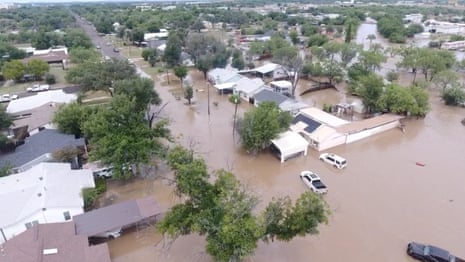
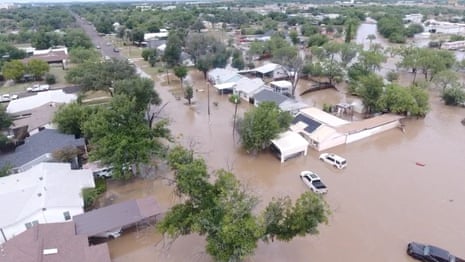
At least 43 people lost their lives in Kerr County alone after nearly a foot of rain fell, turning the Guadalupe River and its surrounding areas into a perilous flood zone. Among the victims were 15 children, whose tragic fate has left families and the community grappling with grief and unanswered questions. As rescue teams employed helicopters, boats, and drones to locate and save stranded individuals, the painful reality of the situation became clear: a once-idyllic environment has been transformed into a nightmare.
Unfolding the Disaster: The Catastrophic Impact of Texas Floods
The sequence of events that unfolded on that fateful Friday morning in Kerr County illustrates the unpredictable nature of extreme weather events and the stress such conditions can cause on even the most established communities. When the storm hit, the delicate balance between nature and human infrastructure was thrown into chaos. What was meant to be a summer camp experience filled with joy and adventure became a nerve-racking emergency as floodwaters surged unpredictably, overwhelming the area’s natural drainage systems.
Residents and officials alike were caught off guard by the severe weather. The National Weather Service had issued flash-flood warnings and predicted a moderate amount of rain; however, the actual rainfall far exceeded these estimates, leaving the community struggling to cope with rapidly rising water levels. The fact that the Guadalupe River reached heights of up to 26 feet in roughly 45 minutes demonstrates the conflicting bits between predictions and nature’s own unpredictable twists and turns.
This incident forces us to dig into the issues surrounding climate unpredictability and the challenges it presents for community planning. How could a system built on historical weather patterns have been so ill-prepared for this modern reality? For many, the answer highlights not only daunting gaps in infrastructure but also the nerve-racking complications of forecasting extreme events in a rapidly changing environmental context.
Camp Culture and History: The Beloved Legacy of Camp Mystic
Camp Mystic has long stood as an emblem of childhood adventure and cultural tradition in the Texas Hill Country. With its century-old history, the camp earned its reputation as a cherished retreat where families eagerly sign up years in advance. Photographic glimpses of the camp—cabin retreats adorned with green-shingled roofs, playful names like “Wiggle Inn,” and natural surroundings of oak and cypress trees along the Guadalupe River—evoke memories of simpler times and joyful experiences.
Social media posts before the disaster depicted scenes of young campers fishing, riding horses, playing kickball, and engaging in coordinated dance routines. These images capture the subtle details of camaraderie and independent spirit that have defined Camp Mystic for decades. The camp was more than just a recreational facility; it was a cultural cornerstone that played a key role in fostering self-esteem, teamwork, and a love for the outdoors among generations.
However, as floodwaters receded, the camp’s picturesque landscape was replaced by unsettling scenes of wreckage. A pickup truck precariously perched on two wheels, a building stripped almost bare except for patriotic remnants, and scattered personal belongings—all of these details paint a picture of devastation that belies the camp’s enduring legacy. This dramatic contrast between past and present leaves us with a poignant reminder: underlying traditions and memories can be obliterated in an instant by nature’s overwhelming force.
Emergency Response Under Scrutiny: The Local and State Perspective
In the immediate aftermath of the flood, significant attention has been drawn to the ways in which local and state agencies responded to the crisis. Reports indicate that while emergency crews managed to rescue approximately 850 people, many families still await word about their missing loved ones. Particularly concerning is the situation at Camp Mystic, where 27 girls remained unaccounted for nearly 36 hours after the flash flood.
Local officials, including Governor Greg Abbott, have been seen touring the devastated camp alongside rescue workers to better understand the scope of the damage. Their presence on the ground, while reassuring to some, has also brought a host of challenging questions to the forefront. Chief among these is the adequacy of the region’s flood warning systems. Despite the issuance of flood watches and flash-flood warnings by the National Weather Service, local county officials admitted that there was no comprehensive warning system in place for the residents and campers of this historically vulnerable area.
This gap in systematic warning measures raises tricky parts when evaluating the responsibilities of public agencies. Was there a clear, effective emergency evacuation plan? Were local populations made aware of the intensity of the impending natural disaster? As officials scrambled to find a path through the confusion, the lack of preparedness has underscored a critical need for improvement in the way communities are alerted to life-threatening weather conditions.
One must ask: how can authorities better work through these challenges to ensure that all individuals, especially the most vulnerable among us, receive timely and clear instructions during emergencies? The rescue efforts, though heroic, serve as a stark indication that more must be done at every level—from government agencies to local community organizations—to make our emergency response systems more reliable and comprehensive in the face of unpredictable natural events.
Rescue and Recovery: Examining the Difficulties Faced by First Responders
The physical and emotional challenges encountered by first responders during this crisis cannot be overstated. With water levels rising so quickly, rescue teams were forced to employ multiple strategies simultaneously—all in a precarious, chaotic environment. Helicopters hovered and landed amid torrential rains, while emergency crews used rope-assisted evacuations over swollen bridges. In one instance, a 13-year-old camper described how she and her cabin mates were evacuated by helicopter after wading through perilous floodwaters, a memory she recalled as both terrifying and traumatic.
The rescuer’s job in such a scenario is incredibly intimidating. They are required to maintain focus and clarity amidst chaotic conditions that are loaded with intense challenges and overwhelming physical danger. Many of the rescuers had to work through not only the physical distractions of the emergency environment—such as fallen trees, wrecked vehicles, and debris—but also the emotional weight of knowing that lives were at stake.
Below are some of the key elements that underscored the rescue operations on that fateful day:
- Rapid water level changes that rendered normal evacuation routes unusable.
- The use of helicopters, boats, and drones to cover vast areas in search of survivors.
- Emergency teams employing rope-assisted maneuvers to bring stranded campers to safety.
- Local residents bravely assisting in rescue operations despite the inherent risks involved.
Each of these elements demonstrates the fine points of rescue operations and highlights the pressing need for more effective planning and more robust communication channels during emergencies. The overwhelming nature of the flood left responders with few options and forced them to figure a path in conditions that were unpredictable and deeply nerve-racking.
Assessing Emergency Preparedness: The Hidden Costs of Inadequate Warning Systems
One of the most pressing issues raised by this disaster is the current state of emergency preparedness in regions prone to flash flooding. Officials have noted that the rapid rise of water in the Guadalupe River caught many by surprise, with the region receiving nearly 10 inches of rain—far exceeding earlier forecasts. Such discrepancies between warning systems and actual weather conditions pose complicated pieces for communities trying to mitigate similar risks in the future.
Some of the confusing bits in this tale center on the reliability and reach of the current warning systems. While national agencies provided flood watches and flash-flood warnings, the real-world implementation at the local level appears to have been insufficient for alerting everyone in harm’s way. This leaves us with a set of tangled issues regarding who holds the ultimate responsibility for public safety—whether it lies primarily with county officials or the higher offices that set the guidelines in the first place.
A table outlining the observed gaps can help illustrate some of these key differences:
| Observation | Current Protocol | Challenges Noted |
|---|---|---|
| Rainfall Prediction | Forecast of 3-6 inches | Actual rainfall nearly 10 inches |
| Flood Watch Timing | Issued well before the event | Insufficient details for rapid evacuation |
| Local Warning Systems | Not fully developed | Residents were unprepared for the rapid flood surge |
| Emergency Evacuation Plans | Ambiguous or missing for several camps | Inconsistent implementation across facilities |
This table not only enumerates key differences in the preparedness measures but also highlights the subtle details that have been overlooked in ensuring the safety of everyone involved. The additional stress placed on first responders and emergency management teams underscores the need for clearer, more precise strategies when it comes to liquefied pieces of information and coordination among various agencies.
Accountability in the Wake of Tragedy: The Legal Perspective on Safety Oversights
The legal challenges emerging from this crisis are as complicated as they are numerous. With families of the missing and the deceased seeking answers, questions of accountability have come to the forefront of the controversy. How can communities and local governments work through these issues and ensure that proper legal channels are in place to address safety oversights?
The situation at Camp Mystic raises several legal considerations that demand careful examination:
- Negligence in Emergency Planning: The absence of an effective emergency alert system in a known high-risk region could be construed as a failure in duty. The fact that local county officials acknowledged a lack of preparedness adds a layer of complexity to potential legal actions.
- Liability for Inadequate Communication: Communication breakdowns during an emergency can have lasting repercussions. If authorities failed to provide residents and campers with the necessary warnings, legal claims could arise concerning damages and negligence.
- Standards for Camp Operations: Given Camp Mystic’s longstanding reputation as a safe environment for children, the disaster brings into question the operational standards that have been maintained over the decades. Legal experts may soon be pressed to address whether the camp’s safety protocols met the super important standards that are expected of such institutions.
Legal experts and community leaders alike have been pressed to take a closer look at these tangled issues. The delicate balance between public safety and operational oversight is loaded with problems that require swift action. As inquiries begin and legal processes are set in motion, there is a very real hope that these issues will be worked through and that new, more robust policies will emerge in their place.
Some have argued that this tragedy should serve as a crucial turning point—a catalyst for rethinking and reshaping the regulatory framework surrounding emergency management in flood-prone areas. By addressing these legal and procedural gaps, communities can better protect themselves against future natural disasters and ensure that a similar series of events never occurs again.
Reforming Regulations: The Need for a Safety Overhaul in High-Risk Areas
Beyond the immediate scope of rescue operations and legal accountability lies a larger, systemic issue: the need to revamp and reinforce emergency preparedness protocols in regions that are known to be at risk. Camp Mystic, located in an area locally referred to as “flash flood alley,” has now become emblematic of the shortcomings in current systems and underscores the urgency for overhauling established procedures.
A critical examination of current practices reveals several areas in need of improvement. Lawmakers, emergency management professionals, and community leaders must work together to find your way through the confusing bits and set up processes that are both thorough and flexible enough to handle the unpredictable nature of extreme weather events.
Key areas for improvement include:
- Enhanced Early Warning Systems: Implementing advanced forecasting technology and communication methods that can reach every individual in vulnerable areas in a timely manner.
- Robust Emergency Action Plans: Developing evacuation strategies that are detailed and accessible, ensuring that all residents know exactly how to respond when a warning is issued.
- Regular Drills and Community Engagement: Conducting routine emergency response exercises to help residents, camp administrators, and local officials get around the tricky parts of any sudden natural disaster.
- Stricter Regulatory Standards: Enacting regulations and oversight mechanisms that hold institutions, such as summer camps and community centers, accountable for maintaining super important safety protocols.
Each of these measures, if implemented effectively, could help mitigate the risks posed by sudden flash floods and other extreme weather events. While the immediate priority remains the rescue and recovery of those affected by this disaster, there is an equally pressing need to learn from this tragic incident and translate that knowledge into long-term changes that safeguard future generations.
Policymakers must be convinced that the cost of inaction is too high. The legacy of Camp Mystic is intertwined with the memories of joyful summers and cherished family traditions. It is precisely because of this legacy that reforming safety standards cannot be delayed any longer.
Community Impact and the Human Story Behind the Headlines
Beyond the statistics and policy debates surrounding this disaster stand the deeply personal stories of those affected. The pain of families who have lost loved ones, the terror experienced by young campers during the flash flood, and the courage of first responders all paint a picture that is as heart-wrenching as it is instructive.
Childhood memories, once filled with hope and adventure, have been irrevocably tainted by this event. Parents describe the nightmare of hearing that their daughters were missing among the wreckage and waiting in a state of anxious hope as rescue teams searched for survivors. For many, what were once happy camp memories now embody the overwhelming sorrow of unexpected loss and the stark reality of nature’s destructive power.
The emotional toll on counselors and staff, many of whom have cared for these children over multiple summers, cannot be measured simply in words. One former counselor recalled the shock of reading an email confirming the disappearance of several girls, expressing how the experience turned a cherished role into one filled with profound sadness and personal grief.
For the community at large, this disaster is a call to action—a painful reminder that complacency in the face of nature’s fury can lead to irreversible outcomes. As the local collective mourns and begins the slow process of healing, it is imperative that the broader conversation about community resilience and improved safety measures gains momentum.
Institutional Responsibility: The Role of Government and Private Entities
In any disaster of this magnitude, the conversation about accountability extends beyond local rescue teams and into the realm of government responsibility and private sector involvement. The interplay between public agencies and private institutions such as Camp Mystic is riddled with tension as each party faces scrutiny over whether safety protocols were sufficient and appropriately enforced.
Government officials at the state level have vowed to take a more proactive role in ensuring that emergency alerts and evacuation plans are fully operational, even in regions where flash floods have become more common. Conversely, private institutions with a storied reputation for maintaining high safety standards must also re-examine their emergency procedures, ensuring that they are fully prepared for the twist and turns that nature may present.
This intersection of public policy and private responsibility raises several questions:
- How can government agencies and private establishments work together more effectively to establish a seamless communication channel during emergencies?
- What mechanisms should be put in place so that every stakeholder—whether a government official, camp administrator, or emergency responder—can get around the confusing bits of their roles during a crisis?
- What legal and operational changes are required to make sure that the next time a storm approaches, the lessons learned from this tragedy are fully implemented?
Addressing these questions requires a joint effort that harnesses the collective experience of everyone involved. By fostering a culture of collaboration and mutual accountability, the community can build a more resilient future, one where the impact of extreme weather is met with swift, coordinated action rather than confusion and despair.
Learning from History: Reflecting on Past Tragedies to Inform the Future
History has a way of repeating itself if the underlying causes are not addressed. In Texas, the painful memories of previous flash flood disasters—such as the 1987 tragedy at Pot O’ Gold Christian Camp—serve as a critical, if cautionary, reminder that the natural world is unpredictable and unforgiving. Past incidents, although separated by decades, share many of the same problematic themes: inadequate warning systems, unclear evacuation protocols, and a pervasive sense of being unprepared for nature’s fury.
It is crucial that we take a closer look at these historical events to understand what went wrong and how those lessons can be applied to our current emergency management practices. By comparing the fine points of past disasters with the circumstances surrounding the Camp Mystic tragedy, several recurring gaps emerge:
- An underestimation of the force and speed of natural events.
- Lack of comprehensive emergency notification systems particularly in areas already known as disaster zones.
- The pressing need for a more proactive stance on safety planning by both public and private entities.
These historical parallels are not meant to assign blame but to serve as a guide for future improvements. Every crisis offers valuable lessons that, if taken seriously, can lead to the implementation of more robust policies and practices. As affected communities come together to process their loss, the longer-term goal must be to establish measures that will make future summers less terrifying and more secure for all.
Revising Public Policy: Proposals for Improved Emergency Management
The ongoing tragedy points squarely to the need for public policy reform in emergency management. Lawmakers are now faced with the imperative task of reworking existing systems to ensure that every person in flood-prone areas receives timely and clear information during imminent disasters. Proposals for improvement have already begun to circulate, with several key ideas emerging as potential cornerstones for a safer future.
Key policy recommendations include:
- Upgrading Warning Infrastructure: Investing in advanced technologies such as real-time weather monitoring, automated alerts, and mobile emergency notification systems to help figure a path through rapid-onset disasters.
- Mandatory Emergency Drills: Requiring camps, schools, and community centers to hold regular, supervised evacuation drills that are designed to work through the tricky parts of emergency response.
- Interagency Collaboration: Establishing stronger lines of communication and coordinated response plans between local, state, and federal agencies, ensuring that no agency is left to handle the crisis off on its own.
- Clearer Evacuation Protocols: Setting standard evacuation procedures that can be quickly and easily activated, even in regions where flash flooding is common.
Implementing these proposals will require a sustained commitment from all stakeholders, but failure to act now risks repeating the series of missteps that contributed to the Camp Mystic tragedy. It is only by acknowledging and addressing the subtle differences in our current preparedness strategies that we can hope to build a more secure environment in the face of increasingly extreme weather phenomena.
The Road Ahead: Building Community Resilience in the Face of Natural Disasters
As the recovery process moves forward, the challenges faced by those in the affected regions extend far beyond the immediate rescue efforts. This disaster serves as a stark reminder of our collective vulnerability and the unpredictable nature of extreme weather. Building community resilience is not merely a matter of reactive measures in the wake of a crisis—it is about establishing a proactive mindset that recognizes potential threats and works tirelessly to avoid preventable tragedy.
To foster lasting improvements in safety and preparedness, communities must consider the following approaches:
- Community Education: Organizing local seminars and workshops that educate residents about emergency procedures, the importance of early warnings, and practical steps to take during flash flood events.
- Improved Infrastructure: Collaborating with engineers and urban planners to develop flood-resistant structures and alternative evacuation routes that can stand up to nature’s overwhelming force.
- Public-Private Partnerships: Encouraging collaborations between government entities and private organizations, such as camp management teams and local businesses, to invest in safety innovations and support community-wide initiatives.
- Mental Health Support: Providing counseling and grief support for those traumatized by the disaster, ensuring that the emotional recovery is given as much attention as the physical reconstruction.
These steps, though challenging to implement, are essential if communities are to truly move past this dark chapter and turn their loss into a foundation for future safety and well-being. Only by actively working through these issues can we hope to bring about sustainable improvements that protect lives in future generations.
Final Reflections: Honoring the Past While Securing the Future
The devastating events at Camp Mystic have undeniably marked a turning point for communities across Texas. For many, the memories of happy camp days are now forever intertwined with images of floodworn cabins, stranded campers, and hurried rescue missions. In the wake of such a tragedy, it is imperative that we not only honor the lives lost but also commit ourselves to enacting the changes necessary to prevent similar disasters in the future.
This is a time for rigorous self-examination and tough, sometimes intimidating, policy debates. Yet amidst the sorrow, there is also a shared resolve to find your way through the confusing bits of bureaucratic and environmental challenges. By pooling our collective expertise, embracing new technologies, and working together across all sectors, we have an opportunity to rebuild stronger and safer communities.
In this moment of grief, let us remember that every tragedy carries with it the potential for transformative change. The legacy of Camp Mystic, with all its happy memories and painful losses, should serve as a powerful motivator for a comprehensive overhaul in our emergency preparedness and legal accountability frameworks.
As citizens, legal professionals, and community leaders, we must work assiduously to ensure that the lessons from this disaster are not lost. Instead, let them be the impetus for forging a future where lives are protected through better planning, improved communication, and unwavering responsibility on all fronts. The journey ahead is laden with challenging twists and turns, but by taking deliberate and informed steps today, we can safeguard a brighter, more secure tomorrow.
The call for action is clear: we owe it to those who have suffered to build a future where natural disasters do not catch our communities off guard. Only then can we transform our collective grief into a legacy of resilience and hope—one that stands as a testament to our unwavering commitment to protect every life, every camp, and every cherished memory from the overwhelming forces of nature.
Originally Post From https://www.abc15.com/weather/two-dozen-girls-from-summer-camp-remain-missing-after-deadly-texas-floods
Read more about this topic at
A girls’ summer camp cut short by deadly disaster
24 dead in Texas flash flooding, and search continues for …